Ronnie O’Sullivan’s shock early exit at the 2026 Northern Ireland Open shakes up snooker landscape
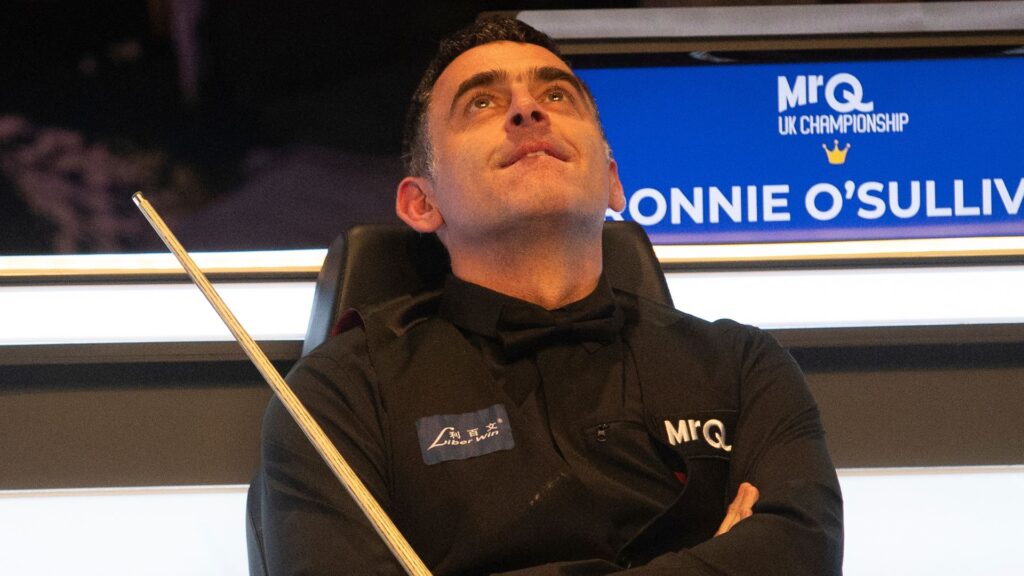
A titan of the table: O'Sullivan’s legacy and recent form
Ronnie O'Sullivan entered the 2026 season as the sport’s most decorated player, with a record 15 world titles and a reputation for turning matches into spectacles. Even after announcing a semi‑retirement in 2024, he continued to compete in ranking events, drawing crowds wherever he played. His presence alone guarantees television ratings and sponsorship interest, making his performances a barometer for snooker’s commercial health.
In the months leading up to the Northern Ireland Open, O'Sullivan’s results had been mixed. While he claimed a dramatic victory at the Shanghai Masters in early March, he also suffered unexpected defeats in the early rounds of the European Masters and the World Grand Prix. Analysts at Sky Sports noted a pattern of inconsistency, attributing it to his reduced practice schedule and the physical toll of a career spanning three decades.
Nevertheless, few expected O'Sullivan to be vulnerable in the opening round of a minor‑ranking event. The Belfast venue traditionally offers a supportive atmosphere for top players, and O'Sullivan’s historic record in the UK circuit suggested he would glide through the first hurdle with ease.
The Belfast upset: what unfolded on the baize
On October 18, 2026, the opening round of the Northern Ireland Open pitted O'Sullivan against an unseeded Irish qualifier. From the first frame, the underdog displayed aggressive potting and tight safety play, forcing the six‑time world champion into uncharacteristic errors. O'Sullivan managed only three frames, while his opponent claimed a 4‑2 victory, ending the match in just over an hour.
The defeat was described by the BBC as “one of the most embarrassing losses of O'Sullivan’s career” because of the margin and the rapidity with which the match concluded. Commentators highlighted that O'Sullivan missed several routine reds and failed to capitalize on long‑range colors, a stark contrast to his usual clinical finish. The crowd, initially cheering the legend, fell silent as the final ball was potted.
Post‑match, O'Sullivan addressed the loss in a brief interview, acknowledging that his preparation had not been sufficient for the early‑season schedule. He hinted at a possible reassessment of his participation in lower‑tier events, saying, “If I’m not giving the fans a show, maybe I should step back.”
Why the loss matters beyond the scoresheet
O'Sullivan’s early exit reverberates far beyond a single tournament. As the sport’s marquee name, his involvement drives ticket sales, broadcast deals, and betting activity. According to a report from the World Snooker Tour, matches featuring O'Sullivan generate up to 30 % higher viewership than those without him. A first‑round upset therefore threatens short‑term revenue streams for promoters and broadcasters, especially in markets still recovering from pandemic‑induced audience dips.
The defeat also raises questions about the competitive balance in professional snooker. Younger players, many of whom have grown up watching O'Sullivan’s flamboyant style, are now demonstrating that they can challenge the veteran on equal footing. This shift could accelerate a generational turnover, prompting the governing bodies to reconsider ranking point allocations and qualification pathways to ensure the sport remains meritocratic.
From a sponsorship perspective, brands that align with O'Sullivan’s image—luxury watches, high‑end automobiles, and premium beverage companies—may reassess the value of their partnerships. A prolonged absence from high‑profile matches could diminish the exposure they pay for, potentially redirecting marketing budgets toward emerging talents who are gaining media traction.
The African snooker angle: opportunities and challenges
While snooker has traditionally been dominated by the UK, Asia, and Australia, the continent’s interest is quietly expanding. South Africa, Nigeria, and Kenya have seen a steady rise in amateur clubs, and the World Snooker Tour has scheduled exhibition events in Johannesburg and Lagos for 2027. O'Sullivan’s visibility is a key driver of that growth; his matches are streamed on platforms that reach African audiences, inspiring a new generation of players.
The Belfast upset could inadvertently boost African snooker. With the legend’s dominance appearing less absolute, local prospects may see a clearer path to international breakthroughs. African players such as Nigeria’s promising teenager Chinedu Okonkwo, who recently qualified for the World Championship qualifiers, can now market themselves as viable challengers to the sport’s elite, attracting regional sponsors eager to associate with a ‘giant‑killer’ narrative.
Moreover, betting markets in Africa, which have embraced snooker alongside football and cricket, will feel the ripple. A sudden shift in odds following O'Sullivan’s loss created higher payouts for underdogs, encouraging more speculative wagering. This dynamic could stimulate greater engagement with the sport, prompting broadcasters to allocate more airtime to matches featuring African talent, thereby creating a virtuous cycle of exposure and investment.
Looking ahead: what the future holds for O'Sullivan and the tour
The next major stop on the calendar is the German Masters in late October, where O'Sullivan is slated to face a top‑10 opponent in the second round. Analysts predict he will approach the event with a more focused training regimen, aiming to salvage ranking points before the year‑end championship. Whether he can rebound will influence his decision on participating in the remaining minor‑ranking events of the season.
The World Snooker Tour is also planning a strategic review of its tournament structure. Sources say that officials are considering a reduction in the number of low‑profile events to concentrate resources on high‑visibility tournaments, a move that could limit opportunities for lower‑ranked players but increase the overall quality of broadcast product.
For African stakeholders, the upcoming exhibition tour offers a tangible chance to capitalize on the current narrative. Organisers are negotiating with local broadcasters to feature O'Sullivan’s potential comeback as a headline act, while also showcasing African qualifiers in the same program. If the legend returns to form, the partnership could cement snooker's foothold on the continent, turning a moment of embarrassment into a catalyst for growth.
Quick Answers
Who eliminated Ronnie O'Sullivan in the 2026 Northern Ireland Open?
He was knocked out in the opening round by an Irish qualifier, as confirmed by the tournament’s official results.
How does O'Sullivan’s early loss affect snooker’s popularity in Africa?
The upset signals a more open field, encouraging African players and fans to see realistic chances of success, which can boost participation and viewership across the continent.
What are the next tournaments for Ronnie O'Sullivan after the Belfast defeat?
He is scheduled to compete at the German Masters later in October, followed by the UK Championship in November.
Source: www.skysports.com




💬 Comments 0