RSF Drone Attacks on Sudan: Ethiopia’s Role Sparks UN Accountability Call in 2026
Background
The Rapid Support Forces (RSF), a paramilitary group that emerged from the Janjaweed militias, has been a key player in Sudan’s civil war since 2018. The RSF’s alliance with Sudan’s civilian-led government has been fraught, with accusations of war crimes and brutal suppression of dissent. In 2023, the conflict intensified as the RSF seized control of Khartoum’s airport and other strategic sites, leading to a humanitarian crisis that drew international condemnation.
Ethiopia’s involvement in Sudan’s conflict has been a subject of speculation for years. Reports from regional observers indicate that Ethiopian security forces and the Tigray Defense Forces have supplied arms and logistics to the RSF, allegedly to counterbalance the influence of Sudan’s rival factions. This covert support has heightened tensions between the two neighboring nations, each wary of the other’s growing influence in the Sahel and Horn of Africa.
The Drone Attacks
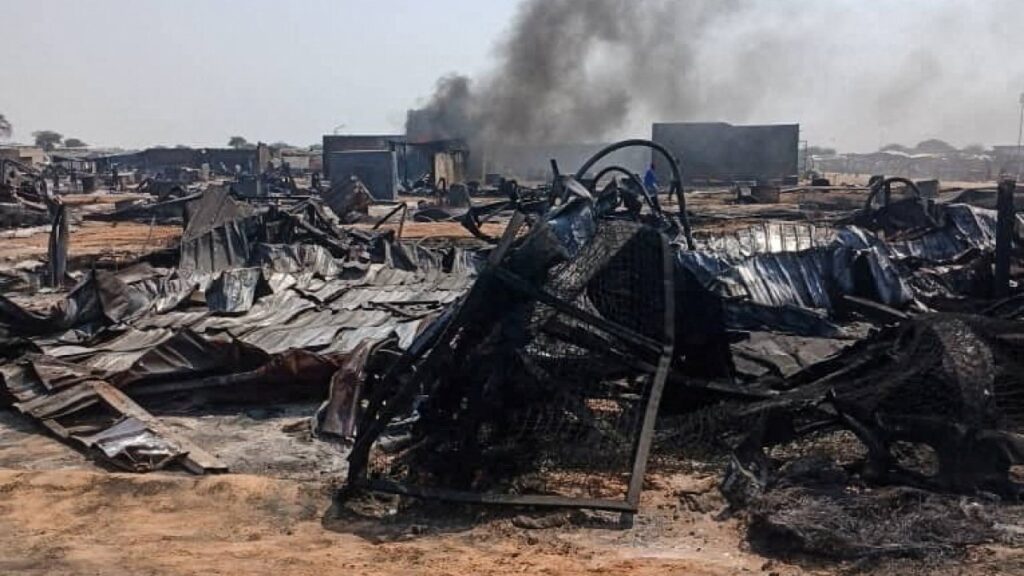
On 12 March 2026, a fleet of low‑flying drones struck the RSF headquarters in Khartoum and a nearby military base in Omdurman, according to Sudanese officials. The attack caused at least 37 casualties, including 22 RSF soldiers and 15 civilians who were in the vicinity. Satellite imagery released by an independent monitoring group confirmed that the drones were equipped with precision‑guided munitions, likely sourced from Chinese or Russian manufacturers.
The assault was part of a series of drone strikes that have been attributed to a coalition of RSF loyalists and external actors. Analysts note that the drones’ flight paths suggest coordination with ground forces, implying that the RSF’s operational command had the capacity to orchestrate such complex attacks. The pattern of drone use in Sudan mirrors a broader trend in African conflicts where non‑state actors increasingly rely on inexpensive, commercially available UAVs.
Why It Matters
The attacks have amplified an already dire humanitarian situation, forcing thousands more to flee to refugee camps in neighboring countries. Humanitarian agencies report that the destruction of key infrastructure has disrupted the delivery of food, medicine, and water to vulnerable populations. According to the UN Office for the Coordination of Humanitarian Affairs, the conflict has pushed over 6 million people into crisis‑level displacement.
Beyond the immediate human toll, the drone strikes signal a shift in warfare tactics on the African continent. As more rebel groups acquire UAV technology, the likelihood of civilian casualties rises, potentially destabilizing fragile states. Economically, the attacks have deterred foreign investment in Sudan’s oil and mining sectors, further weakening the national economy and increasing dependence on international aid.
Reactions
Sudan’s President, Abdel Fattah al-Burhan, demanded a UN investigation into the drone attacks, stating that “the international community must hold those responsible for these war crimes accountable.” The UN Security Council has yet to convene a special session, but the UN Secretary‑General has signaled intent to launch a fact‑finding mission. Human rights groups have called for sanctions against individuals and entities that supplied the drones.
Ethiopia, on the other hand, has denied any direct involvement in the attacks. Ethiopian Foreign Minister, Dr. Aster G. Tsegaye, released a statement that the country “remains committed to regional stability and will cooperate with the UN to investigate these incidents.” However, opposition parties in Ethiopia have criticized the government for allegedly sheltering RSF operatives, citing leaked diplomatic cables.
What’s Next
The United Nations is expected to convene a special committee to investigate the drone attacks, with potential outcomes including targeted sanctions and calls for a ceasefire. The African Union has also expressed concern, urging member states to curb the proliferation of unmanned weapons. Analysts predict that if the investigations uncover evidence of state sponsorship, it could lead to diplomatic isolation for the implicated governments.
The broader trend of drone warfare in Africa underscores the urgent need for regional arms control agreements. Diaspora communities, particularly in Europe and North America, are mobilizing to lobby their governments for stricter export controls on UAV technology. In Sudan, civil society groups are calling for a comprehensive review of the RSF’s mandate and a return to constitutional governance.
Quick Answers
What caused the RSF drone attacks on Sudan?
The attacks were carried out by the RSF using drones supplied by foreign manufacturers, reportedly from China or Russia, to target military and civilian sites in Khartoum.
How has Ethiopia responded to the allegations of involvement?
Ethiopia has denied direct involvement, stating it will cooperate with the UN investigation while critics accuse it of sheltering RSF operatives.
What are the potential international repercussions?
The UN may launch an investigation and impose sanctions, while the African Union could push for regional arms‑control measures to curb UAV proliferation.
Source: www.aljazeera.com




💬 Comments 0