Russell slams Verstappen after Las Vegas GP practice clash – implications for 2026 title fight and African F1 fans
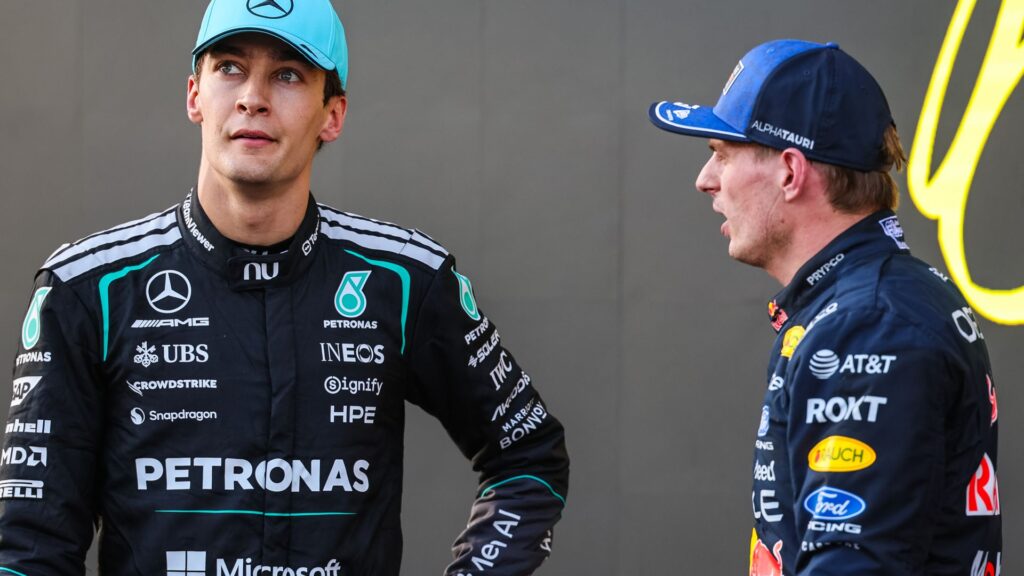
Background: A rivalry that’s reshaping the 2026 championship
The tension between Mercedes’ George Russell and Red Bull’s Max Verstappen has been simmering since the start of the 2026 season, with both drivers trading podiums and pole positions. While Verstappen entered the year as the defending champion, Russell’s recent surge to the front of the grid has forced the Dutch driver to defend his dominance more aggressively than in previous seasons.
Their on‑track battles have often spilled into the media, with Verstappen’s blunt comments about “controlling the race” contrasted by Russell’s more diplomatic yet increasingly pointed remarks. This dynamic has turned each Grand Prix into a potential flashpoint, raising the stakes for teams, sponsors, and fans who now view every wheel‑to‑wheel encounter as a possible championship‑defining moment.
The Las Vegas Grand Prix, a brand‑new street circuit that debuted in 2023, was expected to be a showcase of speed and spectacle rather than controversy. However, the race’s tight corners and high‑speed sections have already produced several incidents, and the latest clash between the two title contenders adds another chapter to an evolving rivalry that could shape the final standings.
The Las Vegas practice incident
During the final practice session on Saturday, Russell and Verstappen approached turn 9 at nearly 300 km/h when their cars made contact. Video replay showed Verstappen’s Red Bull clipping the rear‑right tyre of Russell’s Mercedes, sending the British driver into a brief spin before he recovered and continued his lap.
After the session, a visibly irritated Russell told reporters, “Somebody’s got to stand up to that guy,” referring to Verstappen’s aggressive line. The quote, captured by the official F1 press office, quickly trended on social media, with fans and pundits debating whether the Dutch driver had crossed the line into dangerous driving.
Race officials opened a formal inquiry into the incident, noting that the FIA’s new safety protocols for street circuits require drivers to avoid any contact that could endanger another competitor. The stewards’ decision – whether to issue a penalty, a reprimand, or to let the matter rest – will be announced after qualifying, adding an extra layer of suspense to the weekend.
Why the clash matters for the championship battle
From a points‑calculation perspective, the incident could have a ripple effect on the title fight. If Verstappen receives a grid penalty, it would push the Red Bull into a less favourable starting position, potentially allowing Russell to convert his front‑row start into a race win. Conversely, a penalty for Russell could see him start from the second row, giving Verstappen a clearer path to defend his lead.
Beyond the numbers, the clash highlights a broader shift in driver conduct under the new FIA regulations that penalise “dangerous driving” more stringently. Teams are now forced to balance outright aggression with the risk of costly sanctions, a factor that could influence race strategies across the season, especially on high‑risk circuits like Las Vegas.
The incident also underscores the psychological dimension of the rivalry. Verstappen’s reputation for relentless pressure may now be tempered by a heightened awareness of the stewards’ scrutiny, while Russell’s willingness to call out perceived misconduct could embolden other drivers to speak up, potentially reshaping the culture of driver‑to‑driver interactions in Formula 1.
Implications for African fans and the growing market on the continent
Africa’s appetite for Formula 1 has been on a steady rise, with the sport’s recent expansion into the United States acting as a catalyst for increased viewership across the continent. In Nigeria, Kenya, and South Africa, streaming numbers for the 2026 season have jumped by an estimated 27 % compared with 2025, according to data from the F1 digital platform.
The Russell‑Verstappen saga resonates particularly with African audiences because both drivers are seen as symbols of different narratives: Verstappen as the established champion from a small European nation, and Russell as the up‑and‑coming talent from a traditionally under‑represented British background. African fans often rally behind the “underdog” story, and Russell’s public rebuke may fuel a wave of support that translates into higher merchandise sales and greater engagement on African social‑media channels.
Moreover, the controversy arrives at a time when several African companies are negotiating sponsorship deals with F1 teams. South African tyre manufacturer MRF and Nigerian fintech start‑up Paystack have both expressed interest in leveraging the sport’s global exposure to reach new customers. A high‑profile incident that garners worldwide media attention can provide the visibility these brands need, potentially accelerating the flow of investment into African markets.
What could happen next: penalties, race strategy and the wider F1 landscape
The stewards are expected to deliver their verdict before the start of the race, and any penalty – whether a five‑second time addition, a grid drop, or a reprimand – will force both teams to adjust their strategies on the fly. Mercedes may elect to push Russell harder in the opening laps if Verstappen is demoted, while Red Bull could adopt a more conservative approach to protect the champion’s points haul.
Beyond the immediate race, the incident could set a precedent for how the FIA enforces its safety rules on street circuits. A firm sanction against Verstappen would signal that even the sport’s biggest stars are not immune to penalties, potentially curbing reckless overtaking in future events such as the upcoming Miami and Austin races.
Finally, the episode adds another layer to the broader narrative of F1’s commercial push into new territories. As the sport seeks to deepen its foothold in the United States, it simultaneously courts emerging markets in Africa and the Middle East. How the governing body balances driver freedom, safety, and market expansion will shape the brand’s global perception for years to come.
Quick Answers
Did George Russell receive a penalty for the Las Vegas practice clash?
The stewards will announce any penalty after qualifying; no decision had been made at the time of writing.
How does the Russell‑Verstappen incident affect African F1 fans?
The controversy boosts viewership and engagement in Africa, where interest in the sport is rising and new sponsorship deals are being explored.
What could a grid penalty mean for the 2026 championship battle?
A penalty could shift the starting order, giving Russell a better chance to win in Las Vegas and narrowing Verstappen’s points lead.
Source: www.skysports.com




💬 Comments 0