Russia claims role in stopping Niger coup attempt at Air Base 101, Aug 2026
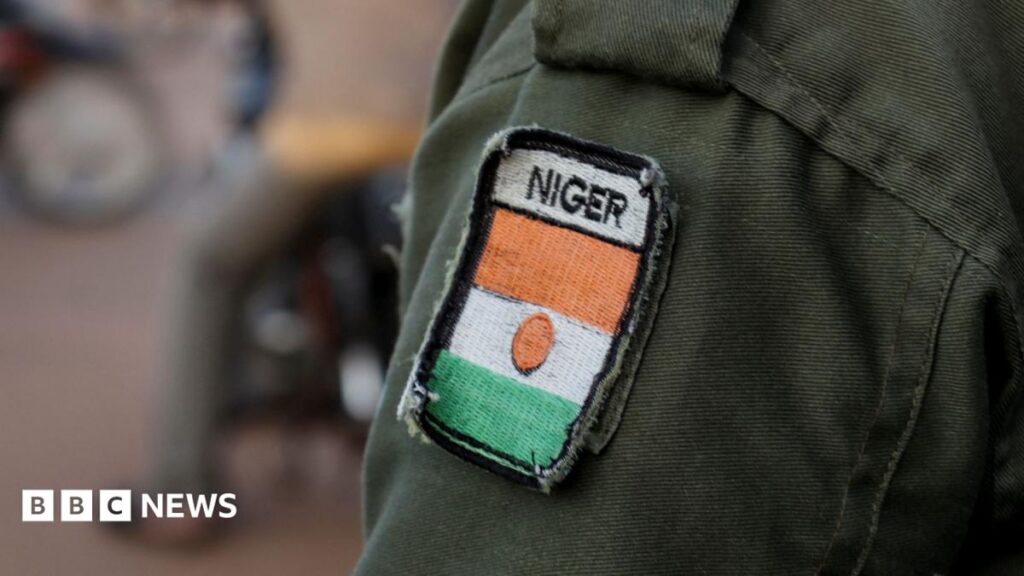
Background: Niger’s fragile political landscape
Since the military ouster of President Mohamed Bazoum in July 2023, Niger has been caught in a tug‑of‑war between the ruling junta, regional bodies such as ECOWAS, and external powers vying for influence. The country’s strategic position as a gateway to the Sahel’s uranium mines and as a conduit for oil pipelines has turned it into a geopolitical prize, attracting attention from France, the United States, China and, increasingly, Russia.
Moscow’s interest deepened after the 2023 coup when the Wagner Group reportedly offered security advice to the new military leaders. Although the Kremlin denied any formal deployment, Russian state media hinted at “advisory support” and a growing partnership in intelligence sharing. This backdrop set the stage for the August 2026 incident, where a group of mutinous soldiers attempted to seize a key air base near Niamey.
What happened on Saturday morning
According to Niger’s defence ministry, a contingent of armed personnel launched an assault on Air Base 101 at around 02:30 local time, aiming to capture the facility and its aircraft. The attackers were met with heavy resistance from base security forces, who repelled the incursion within two hours. Official statements said the plot was foiled without loss of life, though a few injuries were reported among the defenders.
In a televised briefing, Russian Foreign Ministry spokesperson Maria Zakharova claimed that Russian military advisers on the ground had provided real‑time intelligence that enabled Nigerien troops to anticipate the move. She added that Russian communication equipment and tactical guidance were instrumental in “neutralising the threat before it could materialise.” The Russian embassy in Niamey echoed the claim, describing the cooperation as a “joint effort to safeguard stability in the Sahel.”
Why the Russian claim matters for Africa
If Russia’s narrative holds weight, it signals the first overt Russian‑Nigerien security collaboration since the Wagner episode in 2023. For African leaders, this could reshape the calculus of external security assistance, offering an alternative to traditional Western partners whose aid has often been tied to political reforms and human‑rights conditions.
The development also reverberates across the Sahel, where insurgent groups exploit power vacuums. A Russian‑backed intelligence capability could bolster Niger’s counter‑terrorism operations, but it may also deepen the region’s dependence on a power whose long‑term agenda includes resource extraction and political leverage. This duality is already evident in Mali and the Central African Republic, where Russian footprints have expanded despite Western sanctions.
Reactions from regional and global players
ECOWAS issued a cautious statement, praising Niger’s “swift response” while urging member states to avoid external interference that could inflame tensions. The bloc’s chair, former Nigerian President Goodluck Jonathan, warned that any deepening of Russian involvement might complicate the community’s mediation efforts aimed at restoring democratic order.
The United States, through a spokesperson at the State Department, described the incident as “concerning” and reiterated its commitment to supporting Niger’s legitimate government, but stopped short of confirming any Russian presence. France’s foreign ministry, still nursing the fallout from the 2023 coup, called for “transparent investigations” and warned that foreign mercenary activity would undermine regional security.
What’s next: possible scenarios for Niger and the Sahel
In the short term, Niger is likely to tighten security around critical infrastructure and may formalise a security pact with Moscow, mirroring agreements signed by Mali and the Central African Republic. Such a pact could include the deployment of Russian technical advisors, expanded intelligence sharing, and joint training exercises, all of which would cement Moscow’s influence in the Sahel.
Long‑term implications hinge on how Western powers respond. If the United States and France increase military aid or impose new sanctions, Niger could double‑down on Russian assistance, potentially creating a bifurcated security architecture in West Africa. For African investors, especially those in mining and energy, the outcome will affect risk assessments, insurance premiums, and the viability of cross‑border projects that rely on stable logistics corridors.
Quick Answers
Did Russia actually help stop the coup attempt in Niger?
Russia says its advisers provided intelligence that helped Niger repel the attack, but independent verification is still pending.
How could Russian involvement affect security in the Sahel?
Russian support may boost Niger’s counter‑terrorism capacity, yet it could also increase the region’s reliance on Moscow, complicating relations with Western allies.
What does the incident mean for foreign investors in Niger?
Increased Russian influence may raise geopolitical risk, prompting investors to reassess exposure to Niger’s mining and energy sectors.
Source: www.bbc.co.uk


💬 Comments 0