Russian strikes wound nine, cripple Ukraine power grid ahead of Abu Dhabi talks – impact on energy prices, grain exports and African diaspora
Background: the war’s widening shadow on civilian infrastructure
Since February 2022, Russia’s military campaign against Ukraine has increasingly targeted civilian energy facilities, a tactic meant to erode morale and pressure Kyiv into concessions. The latest wave of missile and drone attacks on the eastern and southern regions knocked out several high‑voltage substations, leaving millions without electricity and prompting emergency repairs that strain an already exhausted grid.
The timing of these strikes is significant. They arrive just days before a rare diplomatic overture: a trilateral meeting in Abu Dhabi involving representatives from Ukraine, Russia and the United Arab Emirates. The United Arab Emirates, a key energy hub and growing investor in both Ukrainian agricultural exports and Russian oil, hopes the talks will lay groundwork for a cease‑fire corridor and a framework for post‑war reconstruction.
What happened: nine injured and power lines down
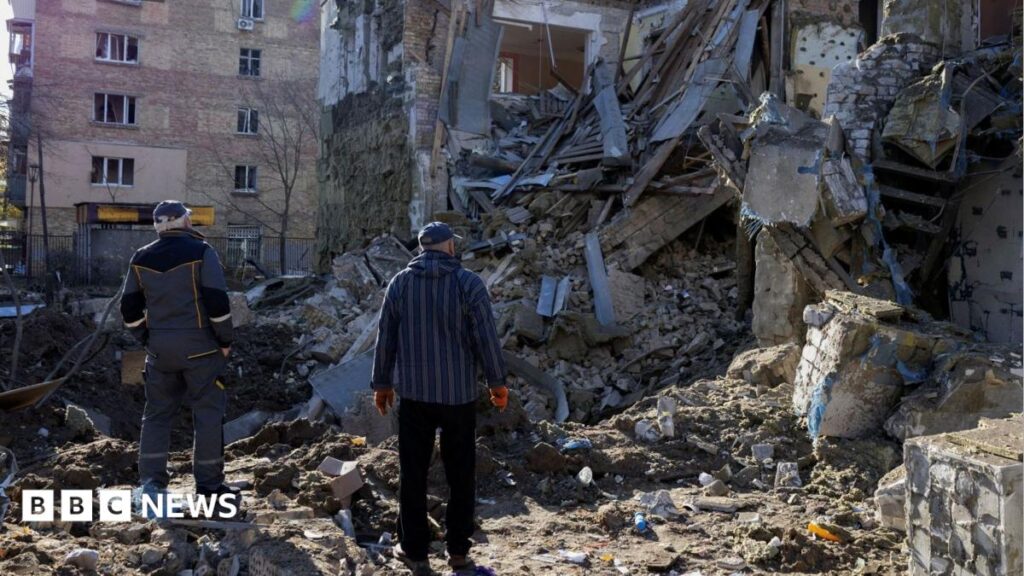
On 6 November 2026, Russian forces launched a coordinated barrage of Kalibr cruise missiles and Shahed‑136 loitering munitions at two power substations in the Kharkiv and Zaporizhzhia oblasts. Local emergency services reported nine civilians wounded, three of them seriously, as shrapnel from exploding transformers hit nearby homes. Power outages spread to more than 200,000 households, prompting the Ukrainian Ministry of Energy to declare a state of emergency in the affected zones.
The attacks also damaged a 330‑kilovolt transmission line that feeds the industrial hub of Dnipro, a city that supplies a significant share of Ukraine’s steel and machinery exports. Ukrainian officials estimate the repair cost at roughly $45 million, a figure that will add pressure to a war‑torn economy already relying on foreign aid and reconstruction pledges.
Why it matters: energy markets, food security and diplomatic calculus
Disruptions to Ukraine’s power grid reverberate far beyond its borders. Ukraine is a major transit route for natural gas pipelines that feed Central and Eastern Europe, and its electricity exports to neighboring countries have risen since the war began. A weakened grid reduces Ukraine’s ability to sell surplus power, tightening European supply and nudging wholesale electricity prices upward. Analysts at Bloomberg noted that each megawatt‑hour of lost Ukrainian export capacity can lift EU spot prices by 2‑3 %.
Higher energy costs have a direct impact on African economies that import European electricity or rely on European‑sourced fuels for industry. Countries such as Kenya and South Africa, which have signed power purchase agreements with European utilities, may see increased tariffs passed on to consumers. Moreover, the attacks threaten Ukraine’s grain export capacity; power shortages at port facilities delay loading of wheat shipments that feed millions across the Horn of Africa and the Sahel. According to the International Food Policy Research Institute, a 5 % drop in Ukrainian wheat exports could raise staple grain prices in East Africa by up to 12 %.
African diaspora and diaspora‑linked business stakes
The Ukrainian‑Russian conflict has already displaced more than 7 million Ukrainians, among them a sizeable community of African students, entrepreneurs and skilled workers. The recent strikes have heightened anxiety within this diaspora, many of whom live in the affected regions and rely on stable electricity for remote work and online tuition. Community groups in Kyiv and Lviv have organized emergency shelters and translation hotlines to assist non‑Ukrainian residents navigating curfews and medical emergencies.
Beyond individuals, African‑owned businesses operating in Ukraine—particularly in the tech and agricultural processing sectors—face operational setbacks. A Lagos‑based agritech startup that processes sunflower oil in the Odesa region warned that prolonged outages could force it to halt production, jeopardising contracts with buyers in the United Arab Emirates and the European Union. The company’s CEO, Chinedu Okonkwo, told Reuters that “every hour without power erodes trust with our partners and threatens the livelihoods of our workers.”
Reactions: from Kyiv, Moscow and the UAE
Ukrainian President Volodymyr Zelenskyy condemned the strikes as “a blatant attempt to sabotage peace talks” and called on the United Nations to label the attacks as violations of international humanitarian law. The Ukrainian Ministry of Defense released satellite imagery showing the damaged substations and vowed to retaliate against any further targeting of civilian infrastructure.
Moscow, through its foreign ministry, described the incidents as “military operations against legitimate targets” and dismissed accusations of civilian harm as “propaganda.” Russian state media, however, omitted any mention of civilian casualties, focusing instead on the tactical success of disabling Ukrainian energy supplies.
The United Arab Emirates, hosting the upcoming talks, issued a statement urging “immediate cessation of attacks on civilian infrastructure” and emphasizing its role as a neutral facilitator. UAE Energy Minister Suhail Al Mazroui hinted that the country could leverage its own renewable‑energy projects to help rebuild Ukraine’s grid if a diplomatic breakthrough is achieved.
What’s next: prospects for the Abu Dhabi talks and longer‑term outlook
The Abu Dhabi summit, scheduled for 12‑15 November, will be the first high‑level encounter between the three parties since the cease‑fire talks in Istanbul earlier this year. Observers say the talks could focus on three pillars: humanitarian corridors, energy‑sector reconstruction, and a framework for grain export guarantees. Success will depend on whether Russia is willing to halt attacks on civilian infrastructure—a precondition repeatedly voiced by Ukraine and the United Nations.
For African stakeholders, the outcome matters as much as the immediate cease‑fire. A credible agreement could stabilise European energy markets, lower downstream costs for African importers, and safeguard the flow of Ukrainian grain to famine‑prone regions. Conversely, a dead‑locked summit may push European nations to further diversify energy supplies, accelerating investment in renewable projects across Africa, especially in North‑African solar farms that aim to replace Russian gas in the EU’s mix.
In the short term, Ukraine’s grid operators are scrambling to reroute power and fast‑track repairs, while international donors—among them the World Bank and the European Investment Bank—have pledged emergency funding for grid resilience. The resilience of Ukraine’s power network will remain a barometer for the broader conflict’s impact on global commodities and, by extension, on African economies that are already vulnerable to price shocks.
Quick Answers
How many people were injured in the recent Russian strikes on Ukraine’s power network?
Nine civilians were reported injured, with three sustaining serious wounds.
Why could the Abu Dhabi talks affect African food and energy prices?
A cease‑fire or reconstruction deal could stabilise Ukrainian grain exports and electricity flows, which influence European market prices that African nations indirectly depend on.
What role does the United Arab Emirates play in the upcoming Ukraine‑Russia talks?
The UAE is acting as a neutral host and mediator, hoping to facilitate agreements on humanitarian aid, energy reconstruction and grain export guarantees.
Source: www.bbc.co.uk




💬 Comments 0