Ryanair may freeze workers’ pay and raise airfares amid fuel price surge linked to US-Israel war, 2028
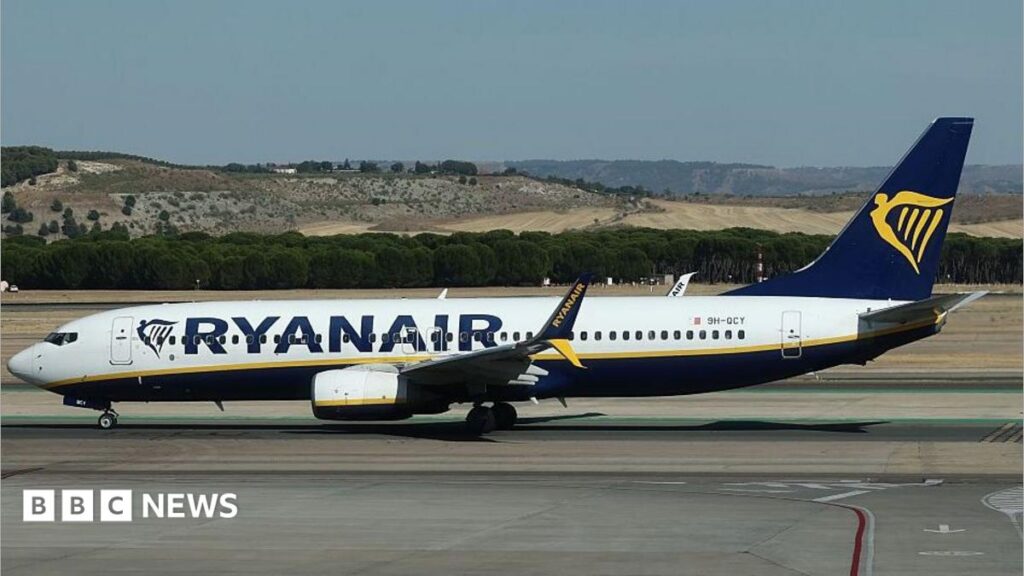
Background: Ryanair’s cost pressures and the fuel outlook
Ryanair, Europe’s largest low‑cost carrier, has long relied on thin margins and aggressive pricing to dominate short‑haul traffic. A key lever in that model is the airline’s ability to lock in cheap jet fuel through long‑term contracts, a strategy that helped it weather the pandemic‑induced slump in 2020‑21. However, analysts note that the current geopolitical climate – especially the escalating US‑Israel conflict with Iran – is pushing crude prices toward a new high that could add up to €2 billion to the airline’s fuel bill by 2028.
The International Energy Agency warned in a recent briefing that any prolongation of the Middle‑East hostilities could tighten global oil supplies, sending Brent crude above €100 per barrel for extended periods. For a carrier that burns roughly 2 million tonnes of fuel each year, even a modest €5‑per‑barrel increase translates into millions of euros of extra operating costs. Ryanair’s finance chief has repeatedly highlighted fuel as the single biggest expense, dwarfing labour, aircraft leasing and airport fees.
At the same time, the airline is grappling with a tightening labour market in Ireland and the UK. Pilots and cabin crew have secured better pay packages in recent years, and unions are pushing for further wage growth as living costs climb. The combination of soaring fuel bills and rising wage expectations forces Ryanair to reassess its cost‑saving playbook, prompting the latest announcement on pay freezes and fare adjustments.
The announcement: pay freeze and fare hike plan
In a brief statement released on 1 November 2026, Ryanair said it may impose a three‑year freeze on staff wages while simultaneously reviewing its ticket‑pricing structure. The carrier warned that, without a rapid de‑escalation of the US‑Israel war, the projected €2 billion fuel cost surge could erode profitability and force a “necessary” increase in airfares across its network.
The pay‑freeze proposal applies to all employee categories, from pilots and engineers to cabin crew and ground staff. Ryanair’s spokesperson cited “the need for fiscal prudence” and said the measure would be reviewed annually. Trade unions, however, have already signalled resistance, with the Irish Pilots’ Union (IPU) threatening industrial action if the freeze is imposed without a negotiated compromise.
On the passenger side, Ryanair indicated that fare hikes could range from 5 % to 12 % on popular routes, especially those linking the UK, Spain and Italy – corridors that attract a sizeable African diaspora. The airline stressed that the price rise would be “gradual” and tied to fuel‑price benchmarks, but the mere prospect of higher costs has sparked concern among travel agencies that specialise in serving African communities.
Why it matters for African travellers and the diaspora
Europe remains the primary gateway for African migrants, tourists and business travellers, and Ryanair’s ultra‑low‑cost model has made it the go‑to carrier for many Nigerians, Ghanaians, Kenyans and South Africans seeking affordable tickets to London, Paris or Frankfurt. A 7 % average fare increase could push a round‑trip ticket from Lagos to Dublin from €210 to over €225, a difference that matters for families sending remittances or students budgeting for tuition.
Diaspora organisations in the UK have already warned that higher fares could reduce the frequency of visits home, potentially weakening the social and economic ties that underpin remittance flows – which, according to the World Bank, total roughly $90 billion from Europe to sub‑Saharan Africa each year. Moreover, travel‑cost inflation may deter short‑term business trips, affecting trade missions and export‑promotion events that rely on affordable air travel.
Travel agents that cater to African clients, such as Lagos‑based FlyNigeria and Nairobi’s AirConnect, are scrambling to re‑price their packages. Some are turning to alternative carriers, including Turkish Airlines and EgyptAir, which have historically offered competitive rates on Africa‑Europe routes. The shift could reshape market share in a segment that Ryanair has only recently begun to tap with its new “Ryanair Europe” hub at Dublin Airport.
Potential ripple effects on African airlines and tourism
If Ryanair raises fares, African airlines that operate inter‑continental services could benefit from a temporary price vacuum. Ethiopian Airlines, Kenya Airways and South African Airways have all signalled intentions to expand capacity on Europe‑Africa routes in 2027, betting on demand that remains price‑sensitive. A modest fare uplift by Ryanair could make these carriers’ premium‑economy and business‑class products more attractive to affluent diaspora travellers.
Tourism ministries across the continent are watching the development closely. Ghana’s Ministry of Tourism warned that any surge in European flight costs could blunt the momentum of its “Year of Return” tourism campaign, which relies on cheap, frequent flights to draw visitors from the UK and Ireland. Likewise, Nigeria’s Federal Ministry of Aviation noted that higher inbound ticket prices could depress visitor numbers during the peak festive season, affecting hotels, restaurants and informal sector vendors that depend on tourist spend.
On the financing side, African airlines that have been negotiating fuel‑hedging contracts may find themselves at an advantage. By locking in lower fuel prices now, they can keep operating costs stable while European low‑cost rivals grapple with volatility. This strategic difference could accelerate a shift in passenger preference toward African carriers for long‑haul journeys, especially if they can bundle lower fares with reliable service.
What’s next: scenarios and possible responses
Industry watchers outline three likely scenarios for the next 12‑18 months. In the best‑case outcome, diplomatic talks defuse the US‑Israel conflict, oil prices retreat, and Ryanair abandons the fare hike, keeping its low‑cost promise intact. In the most probable scenario, fuel costs remain elevated, prompting the airline to implement a modest fare increase while negotiating a limited wage concession with unions, possibly through a profit‑sharing scheme.
A worst‑case trajectory would see prolonged hostilities, a steep rise in fuel prices, and a full‑scale pay freeze that triggers strikes across Ryanair’s European bases. Such disruption could force the airline to cancel hundreds of flights, opening a gap that African low‑cost carriers like Fastjet and Jambojet could fill with charter services aimed at the diaspora market. The ripple effect would also pressure European legacy carriers to reassess their own pricing strategies, potentially leading to a broader re‑pricing of the Europe‑Africa corridor.
For African stakeholders, the key takeaway is to diversify travel options and monitor Ryanair’s pricing signals closely. Travel agencies are advised to negotiate bulk‑ticket agreements with alternative airlines, while tourism boards should amplify promotional campaigns that highlight non‑European gateways such as Istanbul, Doha and Addis Ababa, where connections to Africa are increasingly competitive. Governments could also consider temporary subsidies or tax relief for airlines that maintain affordable fares on critical diaspora routes, preserving the economic lifeline that cheap air travel provides.
Quick Answers
Will Ryanair’s fare increase affect tickets from Africa to Europe?
Yes, higher fares on Ryanair’s European routes are likely to raise the cost of connecting flights for African travellers, especially those using Ryanair as a feeder to UK and Irish airports.
What could African airlines gain if Ryanair raises prices?
African carriers may capture a larger share of the Europe‑Africa market by offering competitive fares and reliable service, especially if they have hedged fuel costs and can keep prices stable.
When might the pay freeze and fare hikes be implemented?
Ryanair has said the measures could take effect within the next fiscal year, subject to annual review of fuel prices and union negotiations.
Source: www.bbc.co.uk



💬 Comments 0