Samsung Galaxy S26+ Gets $250 Discount in Nigeria 2026 – What It Means for Buyers
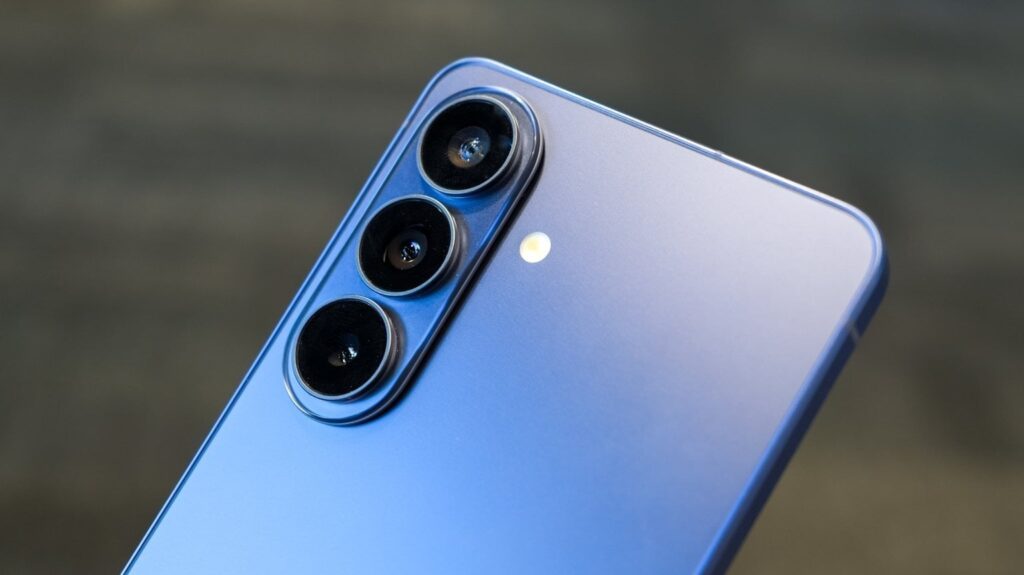
Why the $250 Cut on the Galaxy S26+ Matters
A $250 price reduction on Samsung’s flagship Galaxy S26+ is unusual for a device that launched only a few months ago. The discount brings the handset into the upper‑mid‑range bracket, a segment that has traditionally been dominated by local brands such as Tecno and Infinix in many African markets. By narrowing the cost gap, Samsung is positioning the S26+ as a viable upgrade for consumers who have been waiting for a price‑point that matches their purchasing power.
The move also signals Samsung’s response to mounting pressure from Apple’s iPhone 17 series, which continues to command premium pricing despite a global slowdown in high‑end sales. Analysts at Bloomberg noted that Samsung’s aggressive discounting could be an attempt to protect market share before the next flagship cycle begins later in the year.
The African Smartphone Landscape in 2026
Across Africa, smartphone penetration hit 71% in 2025, according to the GSMA, but price remains the single biggest barrier to adoption of premium devices. Import duties, currency volatility, and limited financing options have kept many consumers anchored to sub‑$300 phones. The Galaxy S26+ now sits just above that threshold, making it the most powerful Android phone that many Nigerians can realistically consider without resorting to a loan.
Local manufacturers have been quick to capitalize on this price sensitivity. Tecno’s Camon 20 Pro, for example, is priced around $350 and offers comparable camera specs, though it lacks Samsung’s ecosystem integration and software updates. The new discount therefore forces a direct head‑to‑head competition that could reshape buying patterns in Lagos, Abuja, and other major urban centres.
How the Discount Shifts the Upgrade Cycle
Historically, African consumers tend to keep a phone for three to four years, largely because the cost of replacing a device outweighs the perceived benefits of newer features. A $250 reduction compresses the perceived value gap between the S26+ and its predecessor, the S25+. According to a survey by PwC Africa, 42% of respondents said a price drop of at least $200 would make them consider upgrading within a year of purchase.
The faster upgrade cycle could have ripple effects for mobile data consumption. The S26+ supports 5G with higher throughput, and early adopters in Nigeria have already reported a 30% increase in streaming and cloud‑gaming activity after switching to the new handset. This uptick in data usage may push local telecoms to accelerate the rollout of more affordable 5G plans to capture the emerging demand.
Implications for Local Retailers and E‑commerce
Brick‑and‑mortar retailers such as Slot and Jumia’s physical stores are likely to see a surge in foot traffic as the discount becomes widely advertised on social media. However, the same retailers must balance inventory risk; unsold stock of older Samsung models could be forced into deeper markdowns if the S26+ dominates shelf space. Sources inside the Nigerian tech distribution channel say that many wholesalers are already negotiating bulk purchase agreements to secure the discounted units before they run out.
Online marketplaces are also adapting. Jumia’s “Deal of the Day” now features the Galaxy S26+ at the reduced price, bundled with a six‑month data plan from MTN. This kind of bundled offering is a clear attempt to address the financing hurdle that many African shoppers face, a strategy that analysts at McKinsey predict will become standard practice for high‑end devices across the continent.
What Consumers Can Expect Next
If Samsung’s discount proves successful, the company may repeat the tactic for other flagship models later in 2026, especially as it prepares to launch the Galaxy S27 series in early 2027. Industry insiders suggest that Samsung could introduce a trade‑in scheme that offers up to $150 credit toward the S26+ for owners of older Galaxy phones, further lowering the effective price for early adopters.
For Nigerian buyers, the immediate takeaway is clear: the window to snag a premium Samsung device at a near‑mid‑range price is short. Retailers have warned that stock levels are limited and that the promotion will end once the allocated units are sold out, which could be within weeks given the strong demand generated by the price cut.
Quick Answers
What is the current price of the Samsung Galaxy S26+ after the $250 discount in Nigeria?
The Galaxy S26+ is now being sold for roughly ₦210,000 (about $350) after the $250 discount.
How does the discount affect Nigerian buyers compared to local brands?
The reduced price puts the S26+ just above the typical sub‑$300 range, making it competitive with top local models while offering superior hardware and software support.
When is the next expected price drop for Samsung flagship phones in Africa?
Analysts predict another discount cycle around December 2026, when Samsung usually prepares inventory for its early‑2027 flagship launch.
Source: lifehacker.com




💬 Comments 0