Seoul Michelin‑Starred Restaurant Fined 15 Million Won for Ant Garnish – What It Means for Korean Food Safety
Background
South Korea’s culinary scene has grown from humble street stalls to Michelin‑starred kitchens, with chefs blending traditional flavors with avant‑garde techniques. The country’s first Michelin guide was published in 2018, and since then Seoul has become a hotspot for diners seeking both authenticity and innovation. This rapid elevation has also attracted scrutiny from regulators who must balance creative expression with public health standards.
In Korean cuisine, insects are not a novelty but a longstanding source of protein. Ants, crickets, and locusts appear in regional dishes such as “cheongguk‑sik” and “jip‑bim.” However, the use of insects in fine dining is still a relatively new phenomenon, often aimed at showcasing sustainability and exotic appeal rather than everyday consumption.
South Korea’s Food and Drug Administration (FDA) enforces strict labeling and safety protocols for all food items. While insects are permitted as food, they must be sourced from approved suppliers and processed under hygienic conditions. Any deviation, such as using wild‑caught ants without proper inspection, can trigger penalties under the Food Sanitation Act.
The Incident
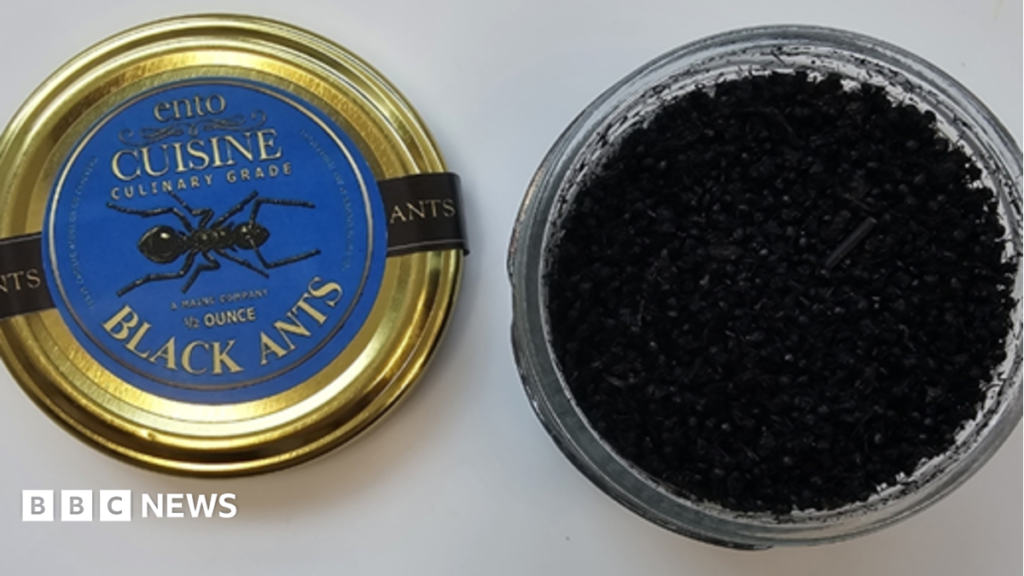
In late August, a Seoul‑based Michelin‑starred restaurant was cited for violating the Food Sanitation Act after serving diners a dish garnished with live ants. The owner was fined 15 million won (approximately $11 000) and faced no jail time, according to the court’s ruling. The fine reflects the severity of the breach, as the act prohibits the use of unregulated insects in prepared foods.
The dish in question was a modern reinterpretation of a classic Korean stew, where a scattering of ants was intended to add a crunch and a burst of umami. While the garnish was visually striking, the ants had been collected from a local market without a formal safety inspection. The FDA’s inspection report highlighted that the ants were not from a licensed supplier, raising concerns about potential contaminants.
The court’s decision was based on the restaurant’s failure to comply with the required safety protocols rather than the culinary intent. The owner’s defense argued that the ants were a homage to Korean heritage and a sustainable protein source, but the legal framework prioritised consumer safety over artistic license. As a result, the fine was imposed to deter similar infractions in the future.
Why It Matters
Food safety is a cornerstone of public trust, especially in high‑profile dining establishments. When a Michelin‑starred restaurant deviates from established regulations, it signals to patrons that safety protocols may be negotiable, potentially undermining confidence in the industry. The incident also highlights the tension between culinary innovation and regulatory compliance, a dilemma that restaurants worldwide face when experimenting with unconventional ingredients.
The fine has broader implications for Seoul’s reputation as a gastronomic destination. International diners often choose cities based on culinary prestige; a publicized safety breach could deter tourists seeking fine dining experiences. Moreover, it may prompt other chefs to reassess their ingredient sourcing, particularly when incorporating exotic proteins that are not traditionally regulated in the same way as meat or seafood.
From a regulatory perspective, the case underscores the need for clearer guidelines on insect-based foods in premium settings. While insects are recognized as a sustainable protein alternative, the legal framework must evolve to address the nuances of fine‑dining practices, ensuring that creative expression does not compromise health standards. This may lead to stricter enforcement or the development of industry‑specific best practices.
Broader Trends
Across Africa, insects are gaining recognition as a viable protein source, with several countries launching programs to promote entomophagy for food security and environmental sustainability. Nations such as Ghana, Kenya, and Ethiopia have seen local entrepreneurs develop insect‑based products, from protein powders to snack bars, targeting both domestic and export markets.
The Seoul incident parallels Africa’s push toward insect consumption, where governments are balancing traditional culinary practices with modern food safety regulations. In many African contexts, insect farming is regulated, but the industry still faces challenges in scaling up to meet international standards. The Korean case may serve as a cautionary tale for African regulators and producers aiming to enter global markets with insect‑derived foods.
Economic opportunities also arise from this trend. As demand for sustainable protein grows, African countries could position themselves as key suppliers of insect proteins to international chefs and food manufacturers. However, this requires investment in infrastructure, quality control, and certification processes to meet stringent safety requirements similar to those applied in Seoul.
What’s Next
In response to the fine, the South Korean FDA is expected to review its guidelines for insect usage in high‑end restaurants. A possible outcome is the introduction of mandatory certification for insect suppliers serving in Michelin‑starred venues, ensuring traceability and safety. The government may also launch educational campaigns for chefs on compliant sourcing practices.
The restaurant industry, both in Seoul and globally, is likely to adopt more stringent internal protocols. Chefs may seek partnerships with certified insect farms, and culinary schools may incorporate modules on food safety specific to unconventional ingredients. This shift could foster a new standard of excellence where innovation and safety coexist harmoniously.
For African markets, the incident offers a learning opportunity. Policymakers and industry stakeholders can use the Korean case to refine their own regulatory frameworks, ensuring that insect‑based foods meet international safety standards before entering the global culinary arena. By doing so, African producers could tap into the burgeoning demand for sustainable proteins, creating jobs and boosting exports.
Quick Answers
What was the fine imposed on the Seoul restaurant?
The owner was fined 15 million won (about $11 000) for using ants as a garnish without proper safety certification.
Why are insects regulated in Korea?
Insects are regulated under the Food Sanitation Act to ensure they are sourced from approved suppliers and processed hygienically, protecting consumers from contamination.
Does this affect African insect protein markets?
Yes, it highlights the importance of meeting international safety standards, encouraging African producers to seek certification and quality control to access global markets.
Source: www.bbc.co.uk



💬 Comments 0