Simon Ekpa sentenced to six years in Finland 2025 – what it means for Biafra secession and African diaspora activism
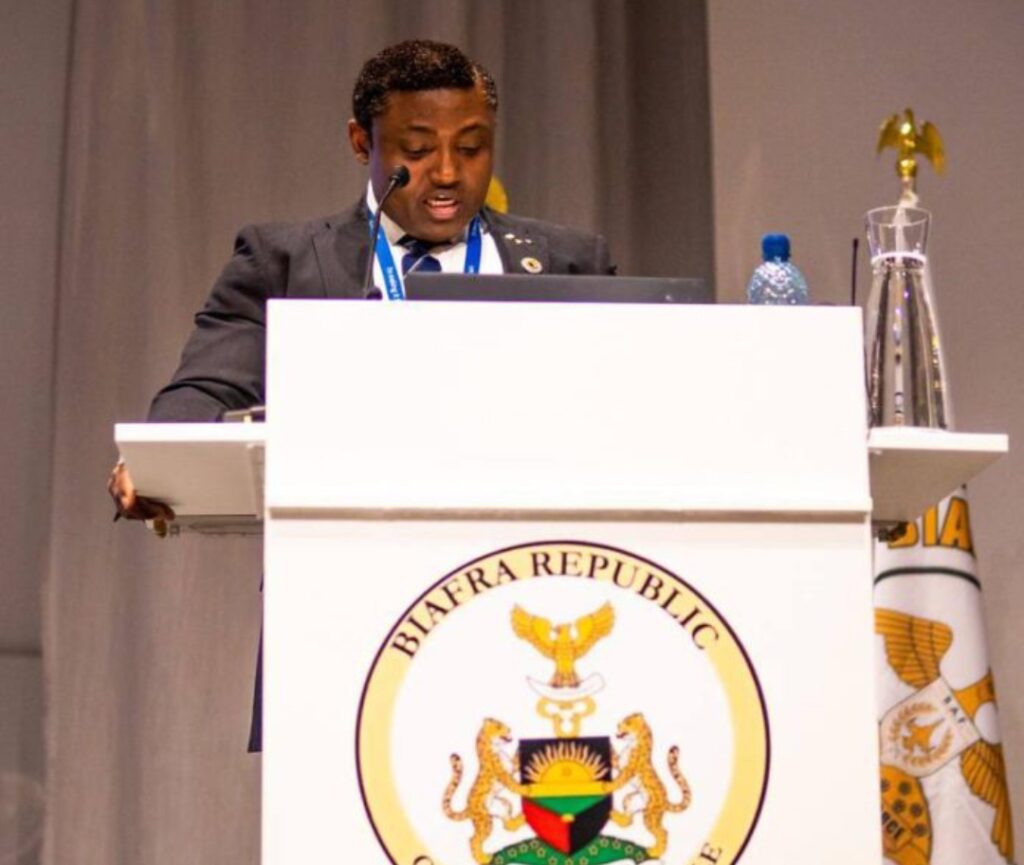
Background: The Biafra Republic Government in Exile
The idea of an independent Biafra first resurfaced during Nigeria’s civil war (1967‑1970), when the southeastern region attempted to break away under Colonel Chukwuemeka Odumegwu Ojukwu. Decades later, a new generation of activists, many living abroad, revived the cause under the banner of the Biafra Republic Government in Exile (BRGIE). Their stated aim is to secure self‑determination for the Igbo and other peoples they claim are marginalized by the federal government.
Simon Ekpa, a dual‑citizen of Nigeria and Finland, emerged as BRGIE’s self‑declared prime minister in 2023. He leveraged social media, livestreams, and diaspora networks to mobilise protests, fund‑raise, and even organise symbolic “Biafra Day” rallies across Europe and North America. While the Nigerian government labels the group a terrorist outfit, Ekpa insists his activities are peaceful political advocacy.
Ekpa’s profile rose sharply after a series of high‑visibility incidents in 2024, including a raid on a Nigerian embassy in Helsinki and a series of online campaigns that called for civil disobedience in Nigeria’s southeast. Those actions attracted the attention of Finnish authorities, who began monitoring his activities under the country’s anti‑terrorism legislation.
The Finnish Verdict: Terrorism Charges and Sentencing
On 1 September 2025, a district court in Helsinki handed Ekpa a six‑year prison term after finding him guilty of several terrorism‑related offences. The court ruled that he had orchestrated an “organized criminal network” that provided logistical support for violent protests, and that his public calls for armed resistance qualified as incitement under Finnish law.
The judgment rested on evidence presented by Finnish police, including encrypted chat logs, financial transfers to overseas accounts linked to BRGIE, and testimony from a former associate who turned state witness. Prosecutors argued that Ekpa’s rhetoric crossed the line from protected speech into direct encouragement of violent acts, a distinction that Finnish courts treat seriously in line with EU counter‑terrorism directives.
Ekpa’s defence team appealed the verdict, contending that the charges were politically motivated and that his speech was protected under the European Convention on Human Rights. In a statement released from prison, Ekpa maintained that “the truth will surely come out” and that “the wrong person has been imprisoned,” echoing a familiar refrain among secessionist leaders who claim to be political prisoners.
Why Ekpa’s Case Matters for Nigeria and the Diaspora
The sentencing sends a clear signal to diaspora‑based political movements that host countries can and will prosecute leaders who cross the threshold from advocacy to alleged violence. For Nigeria, the case offers a diplomatic lever: the federal government can point to a foreign court’s decision as validation of its own designation of BRGIE as a terrorist organization, potentially bolstering domestic security legislation.
At the same time, the verdict could fuel a rallying effect among Igbo youths living abroad. Past incidents, such as the 2022 arrest of a Biafra activist in the United Kingdom, have shown that punitive actions sometimes amplify the cause rather than suppress it. Social media analytics indicate a spike in hashtags like #FreeSimonEkpa and #BiafraNow following the court’s decision, suggesting that the diaspora may view him as a martyr for the movement.
Economically, the case may affect remittance flows. The southeastern states of Nigeria receive a sizable share of diaspora money, and any perception that the diaspora is under threat for supporting political causes could cause donors to pause contributions, impacting local businesses and community projects that rely on foreign cash.
A Growing Trend: Diaspora‑Led Secessionist Campaigns and International Law
Ekpa’s prosecution is part of a broader pattern where Western democracies grapple with transnational activism that blurs the line between free expression and security threats. Similar cases have unfolded with Tibetan activists in Canada, Catalan separatists in the United States, and Kurdish advocates in France. Each jurisdiction balances its own anti‑terrorism statutes against obligations to protect political speech.
In the African context, the rise of digital connectivity has enabled diaspora groups to coordinate protests, fund‑raise, and lobby foreign governments from afar. The African Union’s 2024 resolution on “Political Participation of the Diaspora” warned that member states should not criminalise peaceful advocacy, yet it left room for interpretation regarding violent incitement. Ekpa’s case will likely be cited in future debates about where that line should be drawn.
Legal scholars note that the Finnish decision could set a precedent for extradition requests. If Nigeria were to issue an Interpol Red Notice for Ekpa, Finnish courts would now have a domestic conviction to reference, potentially smoothing the path for his transfer. Conversely, human‑rights organisations argue that such cooperation risks politicising extradition processes and undermining asylum protections for political dissidents.
What Comes Next: Legal Appeals, Political Repercussions, and Regional Stability
Ekpa’s legal team has filed an appeal to Finland’s Court of Appeal, seeking a reversal on grounds of misinterpretation of speech‑related offences. The appeal process could take up to two years, during which Ekpa remains incarcerated. Meanwhile, BRGIE has announced a “Freedom Campaign” aimed at pressuring European parliaments to intervene, a tactic that mirrors earlier diaspora‑led lobbying efforts in the United States.
Within Nigeria, the federal government is expected to use the Finnish ruling to justify a crackdown on Biafra‑linked organisations. Recent statements from the Ministry of Interior hint at increased surveillance of diaspora communication channels and a possible amendment to the Anti‑Terrorism Act to explicitly include overseas incitement. Critics warn that such moves could exacerbate ethnic tensions and push moderate voices toward radicalisation.
Regional observers, including the Economic Community of West African States (ECOWAS), are monitoring the situation for signs of spill‑over violence. If the Biafra movement gains momentum in response to perceived persecution, it could destabilise the southeastern states, affecting trade routes, oil production, and the broader West African security architecture. The Finnish case, therefore, is not just a legal footnote—it may shape the next chapter of Nigeria’s internal cohesion and its relationship with the global diaspora.
Quick Answers
What was Simon Ekpa convicted of in Finland?
He was found guilty of terrorism‑related offences, including organizing a network that allegedly supported violent protests and inciting armed resistance.
How could Ekpa’s sentencing affect the Biafra secession movement?
The verdict may both deter overseas activists by showing legal risk and energise supporters who view him as a political prisoner, potentially intensifying diaspora mobilisation.
What legal avenues does Ekpa have to challenge the verdict?
His team has appealed to Finland’s Court of Appeal, arguing that his actions were protected political speech under the European Convention on Human Rights.
Source: dailypost.ng



💬 Comments 0