Singapore’s ‘Fort Knox’ $2bn dirty‑money auction of seized luxury goods in 2026
Why Singapore became the world’s go‑to vault for illicit wealth
Singapore has long marketed itself as a low‑tax, high‑security financial hub, attracting multinational banks, hedge funds and wealthy individuals from across the globe. That reputation, combined with strict confidentiality laws, also made the city‑state a magnet for money‑laundering schemes, especially after the 2008 financial crisis when illicit cash flows surged worldwide.
In response, the Singapore Police Force (SPF) set up a specialised asset‑seizure unit in 2015, empowered by the Corruption, Drug Trafficking and Other Serious Crimes (Confiscation of Benefits) Act. The unit works with customs, the Inland Revenue Authority and foreign partners to freeze, catalogue and eventually auction assets that are linked to criminal proceeds.
Inside the ‘Fort Knox’ – a subterranean treasure trove
The facility, officially called the Asset Recovery Centre, sits beneath a nondescript office block in the eastern district of Tampines. Its walls are reinforced with steel, its climate‑controlled vaults maintain a constant 20 °C, and biometric scanners guard every entry point, giving it a reputation that rivals the U.S. Federal Reserve’s gold vaults.
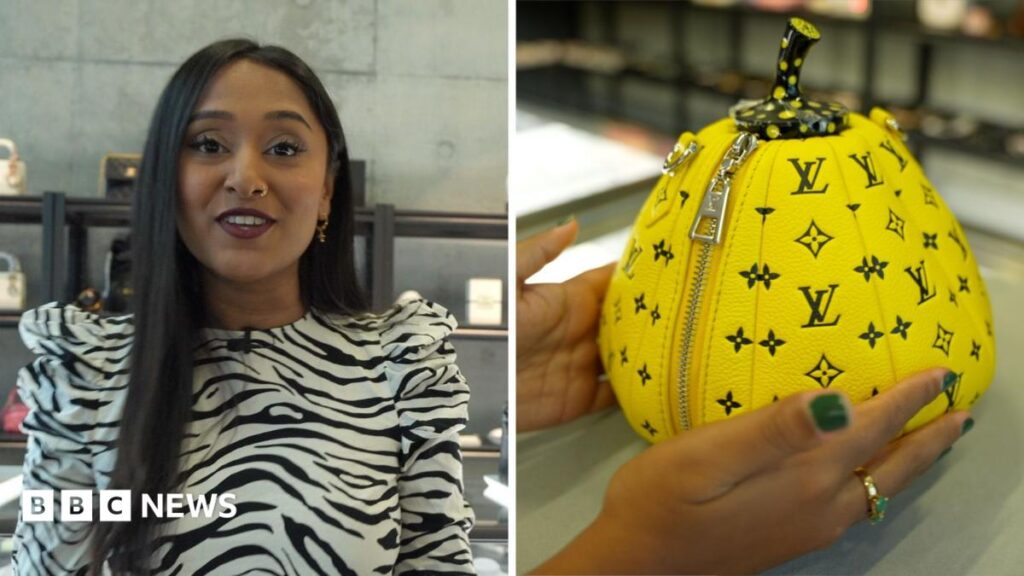
BBC reporters who were granted a rare tour described rows of glass‑encased displays holding everything from a 1965 Rolls‑Royce Phantom to a collection of rare watches valued at over US$50 million. The inventory also includes fine art, gold bars, designer handbags and even a private jet that was once owned by a former Malaysian politician.
The $2 billion auction: what’s being sold and where the money goes
The upcoming auction, scheduled for late October 2026, will feature roughly 1,200 items, with an estimated total value of about US$2 billion. The SPF will sell the goods through a combination of sealed‑bid processes for high‑value pieces and open‑outcry bidding for more common luxury items.
Proceeds are earmarked for the Crime Prevention and Community Development Fund, a government‑run pool that finances anti‑corruption education, victim‑support services and community policing initiatives. According to a statement from the Ministry of Home Affairs, the fund has already redistributed more than US$300 million to NGOs working on youth empowerment and financial‑literacy programmes.
What the auction means for Africa’s fight against illicit capital flight
African elites have increasingly used offshore havens to hide proceeds from natural‑resource extraction, state‑capture and embezzlement. Singapore, with its sophisticated banking infrastructure and strategic location on major shipping routes, has become a preferred conduit for converting African cash into portable luxury assets.
When the SPF seizes items linked to African money‑laundering networks, the ripple effect reaches the continent. Assets such as a Lagos‑originated diamond collection or a Nairobi‑based art piece, once auctioned, can fund anti‑corruption NGOs in Kenya, Nigeria and South Africa. Moreover, the visibility of the auction pressures corrupt officials who might otherwise view Singapore as an impregnable safe‑house.
Reactions, criticisms and the road ahead
Human‑rights groups have praised the transparency of the auction, noting that live streaming of the bidding process allows the public to see exactly how seized wealth is redistributed. Conversely, some legal scholars argue that the current framework still leaves loopholes for launderers to re‑enter the system by buying back seized items through shell companies, a claim echoed by Transparency International’s Singapore chapter.
Looking forward, the SPF plans to expand its digital‑asset seizure capabilities, targeting cryptocurrencies that have become the latest frontier for illicit finance. For African regulators, the Singapore model offers a template: robust legal authority, inter‑agency cooperation and a clear, public‑benefit destination for confiscated proceeds. Whether other jurisdictions will adopt similar vault‑to‑auction pipelines remains to be seen, but the Singapore example is already shaping global discussions on asset recovery.
Quick Answers
What types of luxury goods are being auctioned at Singapore's 'Fort Knox'?
The auction includes high‑end watches, rare art, vintage cars, designer handbags, gold bars and a private jet, all seized from criminal investigations.
How much dirty money is estimated to be tied to the seized assets?
Authorities estimate the total value of the seized items at around US$2 billion, representing illicit proceeds from drug trafficking, corruption and fraud.
Why does the Singapore auction matter for African anti‑corruption efforts?
Because many seized assets originate from African money‑laundering schemes, the auction’s proceeds fund anti‑corruption programs on the continent and signal that Singapore is tightening its safe‑haven reputation.
Source: www.bbc.co.uk



💬 Comments 0