Six killed in Badrinath helicopter crash in Uttarakhand, India – 2026 tragedy sparks safety review
Pilgrimage tourism and the rise of helicopter charters
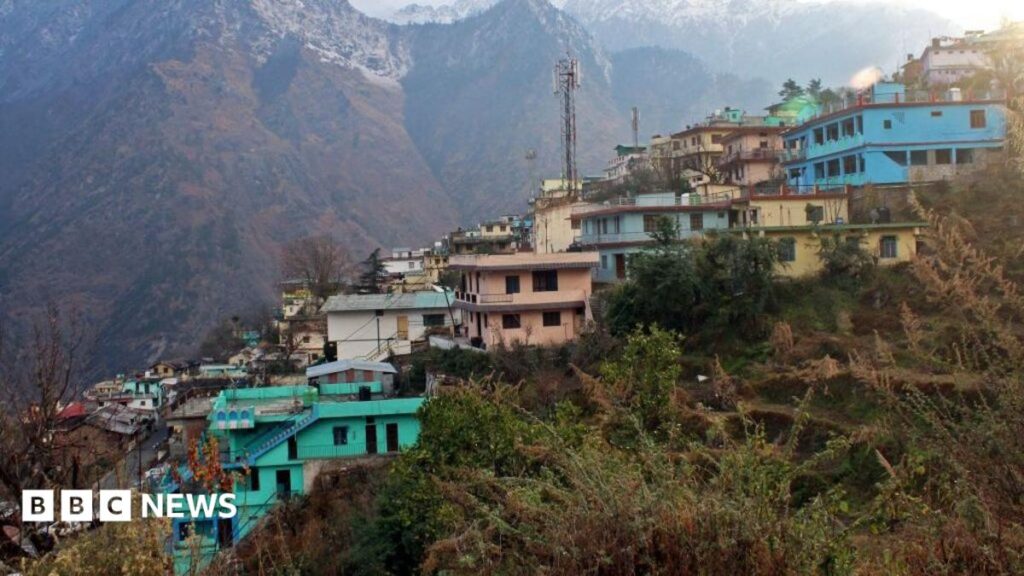
Uttarakhand, often called the "Land of the Gods", draws millions of pilgrims each year to sacred sites such as Badrinath, Kedarnath and Gangotri. In recent years the state government has promoted helicopter services as a faster, safer alternative to treacherous mountain roads, especially during the monsoon and winter seasons when landslides are common.
Private operators, many based in Dehradun, have expanded fleets of light twin‑engine helicopters to meet demand from both domestic tourists and overseas Indians on pilgrimage trips. The service is marketed as a premium experience, with tickets ranging from INR 12,000 to 20,000 per passenger, and has become a significant source of revenue for local hotels, guides and transport agencies.
What happened on Friday afternoon
According to the Uttarakhand police, a twin‑engine helicopter carrying six people – three passengers, two pilots and a flight attendant – took off from the Badrinath helipad at approximately 2:30 p.m. local time on 27 October 2026. The aircraft lost contact with air traffic control less than ten minutes later, prompting a ground‑based search and a helicopter‑borne rescue team.
Rescuers located the wreckage on a steep slope near the village of Mana, about 15 km from the departure point. All six occupants were found dead at the scene, with preliminary reports indicating a possible loss of engine power or a sudden weather shift as contributing factors. The exact cause will be determined by the Directorate General of Civil Aviation (DGCA) after a full technical investigation.
A pattern of safety concerns in Indian aviation
The crash adds to a string of recent incidents involving small aircraft in India's mountainous regions. In the past two years, there have been three other helicopter accidents in the Himalayas, each resulting in multiple fatalities. Industry analysts point to a combination of aging fleets, limited pilot training for high‑altitude operations, and inadequate weather‑monitoring infrastructure as systemic weaknesses.
The DGCA has already issued advisories urging operators to upgrade navigation equipment and to conduct more rigorous pre‑flight checks in volatile weather. However, sources within the ministry say that enforcement has been uneven, especially among private charter firms that operate on thin profit margins and rely heavily on seasonal demand.
Economic ripple effects for local communities and the diaspora
Badrinath's economy is heavily dependent on pilgrimage traffic, which surged after the pandemic as overseas Indians resumed travel. The helicopter service accounted for roughly 12 % of the town's tourism revenue last year, according to a report by the Uttarakhand Tourism Development Board. A suspension of flights pending the investigation could therefore dent cash flow for hotels, eateries, and the informal guide network that supports most visitors.
For the Indian diaspora, the crash hits a nerve. Many families in the United Kingdom, United States and the Gulf states regularly book helicopter rides for elderly relatives who would otherwise face a grueling trek. Community groups on social media have expressed grief and called for stricter oversight, fearing that a repeat incident could erode trust in a service that has become a lifeline for senior pilgrims.
What comes next – investigations, policy shifts and industry response
The DGCA has opened a formal inquiry, with a team of aeronautical engineers, meteorologists and safety auditors expected to reach the crash site within 48 hours. Findings are likely to be released within 90 days, a timeline that mirrors previous high‑profile investigations in the country.
In parallel, the Uttarakhand government has announced a temporary halt to all non‑essential helicopter operations from Badrinath, while allowing emergency medical flights to continue under strict supervision. Industry bodies such as the Indian Helicopter Operators Association have pledged to cooperate fully and are urging the government to invest in better weather‑radar stations along the Himalayan corridor.
If the probe uncovers lapses in maintenance or pilot certification, operators could face hefty fines and mandatory fleet upgrades. Experts predict that a stricter regulatory regime may push some smaller charter firms out of business, but could also open space for larger, better‑capitalised companies to fill the gap, potentially reshaping the market for high‑altitude tourism in the next five years.
Quick Answers
How many people were on board the helicopter that crashed near Badrinath?
Six people – three passengers, two pilots and a flight attendant – were on the aircraft.
From which location did the helicopter take off before the crash?
The helicopter departed from the helipad at the Hindu pilgrimage site of Badrinath in Uttarakhand.
What actions are authorities taking after the crash?
The DGCA has launched an investigation, and the state government has temporarily suspended non‑essential helicopter flights from Badrinath pending safety reviews.
Source: www.bbc.co.uk



💬 Comments 0