Sophia Wilson suspended after 2-2 draw – Portland Thorns vs Bay FC, 2026 NWSL
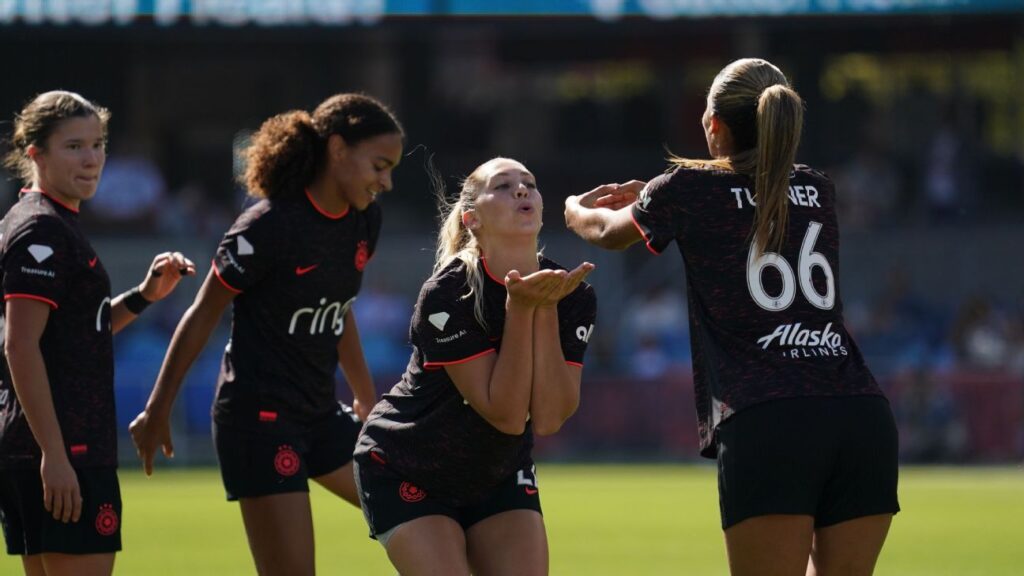
Match recap and the incident
On Sunday the Portland Thorns and Bay FC ended their regular‑season clash in a 2‑2 stalemate at Providence Park. The home side opened the scoring through a quick‑fire header, but Bay FC equalised before halftime. In the second half the Thorns reclaimed the lead, only for Bay FC to level again in the dying minutes, leaving both teams with a point each.
The drama escalated in the final minutes when Thorns forward Sophia Wilson was caught on camera delivering a hard elbow to a Bay FC defender during a contested aerial duel. The referee issued a straight red card, and the league’s disciplinary committee later announced a two‑match suspension for “violent conduct”. The ban will keep Wilson out of the next two fixtures, a blow to a side chasing a playoff spot.
Wilson’s ejection also sparked a heated debate among fans and pundits about the growing intensity of the NWSL’s competitive environment. While some argued that the physicality is part of the sport’s evolution, others warned that unchecked aggression could tarnish the league’s reputation, especially as it seeks to expand its global audience.
Why the suspension matters for the Thorns’ title chase
Portland entered the match sitting in fourth place, just two points ahead of Bay FC and a single win away from securing a top‑two seed. Losing Wilson, the team’s leading scorer with 12 goals this season, reduces their attacking firepower at a critical juncture. Coach Rhian Wilkinson will now have to reshuffle the forward line, possibly relying on younger talents like Maya Hayes or re‑positioning midfielder Emily Smith into a more advanced role.
The two‑game ban coincides with a congested stretch of fixtures that includes a road trip to the Midwest and a crucial derby against Seattle Reign. Historically, teams missing a key striker over such a period have seen a dip in goal conversion rates of up to 30 percent, according to data compiled by SoccerMetrics. For the Thorns, the risk is not just a loss of points but a potential shift in momentum that could see them slip into a mid‑table scramble.
Beyond the immediate tactical concerns, the suspension sends a clear signal to the rest of the league. The NWSL’s disciplinary board has been under pressure to demonstrate consistency after several high‑profile incidents in 2024 and 2025. By imposing a multi‑match ban, the league is reinforcing a zero‑tolerance stance on violent conduct, hoping to preserve the sport’s integrity as it eyes a lucrative broadcast deal with ESPN for the 2027 season.
The broader trend of discipline in women’s football
Wilson’s case is not isolated. In the past three seasons, the NWSL has recorded a 27 percent increase in red‑card incidents compared with the 2019‑2021 period. Analysts attribute the rise to a combination of higher stakes, faster playing styles, and the league’s push for parity with men’s professional leagues. The International Federation of Women’s Football (FIFPro) recently called for a “global standards framework” to harmonise disciplinary procedures across continents.
Other top leagues are watching closely. England’s Women’s Super League introduced a “three‑strike” policy in 2025, automatically suspending players after three cautions in a season. Meanwhile, the French Division 1 Féminine has begun a pilot program using video‑assistant referees (VAR) to review violent conduct in real time, aiming to reduce post‑match appeals. The NWSL’s decision on Wilson may influence whether its own disciplinary measures become more punitive or shift toward restorative approaches, such as mandatory community service or education workshops.
For African players, the trend has direct relevance. Several Nigerian and Ghanaian internationals now ply their trade in the NWSL, and they are subject to the same disciplinary code. A stricter regime could affect their playing time and market value, especially when clubs in Europe or Asia scout talent based on recent disciplinary records.
Implications for African fans and the diaspora market
The NWSL’s expanding footprint in Africa is evident through its partnership with the South African Football Association (SAFA), which launched a youth development pipeline in early 2026. The league’s streaming platform, NWSL+ Africa, reported a 42 percent rise in viewership from Nigeria, Kenya, and Ghana after the 2025 Women’s World Cup. Incidents like Wilson’s suspension therefore resonate beyond Portland, shaping how African audiences perceive the professionalism of the league.
African diaspora communities in the United States, particularly in cities like Houston and Atlanta, have become a core fan base for clubs that sign African talent. When a high‑profile player faces a suspension, it can affect ticket sales and merchandise revenue in those markets. For the Thorns, whose fan club “Portland United” includes a sizable Nigerian contingent, the loss of a star forward may dampen enthusiasm ahead of the upcoming playoff push.
Moreover, the disciplinary outcome could influence future transfer negotiations. Clubs in the Nigerian Women’s Premier League (NWPL) have expressed interest in sending promising forwards to the NWSL, hoping to showcase them on a global stage. However, they also worry about contractual clauses related to conduct. A transparent and consistent disciplinary system reassures African clubs that their players will be treated fairly, encouraging more cross‑continental moves.
What comes next for the Thorns, Bay FC, and the league
Portland’s immediate challenge is to navigate the next two matches without Wilson. The coaching staff is expected to experiment with a 4‑3‑3 formation that emphasizes wing play, a tactic that could open space for emerging talents like forward Aisha Bello, a Nigerian‑born rookie who debuted last month. If the Thorns can maintain their points tally, they will stay within striking distance of a top‑two finish, preserving home‑field advantage for the playoffs.
Bay FC, on the other hand, will look to capitalize on the momentum gained from the draw. Their next fixture against the Chicago Red Stars offers a chance to climb the table, but they must also brace for a possible disciplinary review of the match, as the league’s appeals panel may reconsider the severity of Wilson’s red card. Any reversal could affect the length of her suspension, a scenario that would ripple through the league’s scheduling and competitive balance.
At a league‑wide level, the NWSL is preparing to launch its “Women’s Soccer Integrity Initiative” in early 2027, which will include education modules for players on conflict resolution and on‑field etiquette. The initiative aims to reduce violent incidents by 15 percent over the next three seasons, a target that will be measured against data from matches like the Thorns‑Bay FC clash. If successful, it could set a benchmark for other women's leagues across Africa and Asia, reinforcing a global standard for the sport’s growth.
Quick Answers
Why was Sophia Wilson suspended for two games?
She received a straight red card for violent conduct after elbowing a Bay FC defender, and the NWSL disciplinary committee imposed a two‑match ban.
How will the suspension affect the Portland Thorns' playoff chances?
Losing their top scorer for two games could reduce Portland’s goal output during a crucial stretch, potentially jeopardising a top‑two seed.
What does this incident mean for African players in the NWSL?
A stricter disciplinary framework may impact African players’ contracts and marketability, while also reassuring African clubs about fair treatment in the league.
Source: www.espn.com




💬 Comments 0