South African police find ninth woman’s body in 2026 killing spree, prompting reforms
A grim backdrop of gender‑based violence
South Africa has long grappled with alarmingly high rates of gender‑based violence. Official statistics from the South African Police Service (SAPS) show that more than 2,500 women were murdered in 2024, a figure that has barely shifted despite public outcry. The problem is rooted in a mix of socioeconomic inequality, patriarchal norms, and a criminal justice system that many perceive as slow to respond. Activists argue that the country’s legacy of apartheid‑era policing still haunts its ability to protect vulnerable populations, especially women in low‑income townships.
Over the past decade, high‑profile cases such as the 2018 #MeToo‑style protests and the 2020 murder of journalist Pumza Mkhize have kept the issue in the national conversation. Yet, the cycle of violence persists, with many cases remaining unsolved. According to the Gender-Based Violence (GBV) Helpline, calls for assistance rose by 12 % in the first half of 2026, indicating that fear is deepening even as the country celebrates economic growth in other sectors.
The latest string of deaths, now reaching nine confirmed victims, is a stark reminder that the problem is not isolated. While SAPS cautions against assuming a single perpetrator, the pattern of bodies discovered in remote areas and the similar demographic profile of the victims have heightened public anxiety. For many South Africans, especially women living in peri‑urban areas, the fear is becoming a daily reality.
The ninth body: what investigators have disclosed
On 15 September 2026, SAPS announced the discovery of the ninth woman’s body in a vacant lot on the outskirts of Port Elizabeth. The victim, identified as 28‑year‑old Thandiwe Ndlovu, was found by a local farmer who called the police after noticing disturbed soil. The autopsy, pending at the time of reporting, is expected to confirm cause of death and whether it aligns with the previous eight cases.
Authorities have released limited details, emphasizing that each case is still under individual investigation. However, a senior officer, Lieutenant Colonel Sipho Mthembu, told reporters that “the proximity of the locations and the age range of the victims suggest a possible link, but we are not ruling out separate incidents.” The statement reflects a cautious approach meant to avoid public panic while the forensic team works through a backlog of evidence.
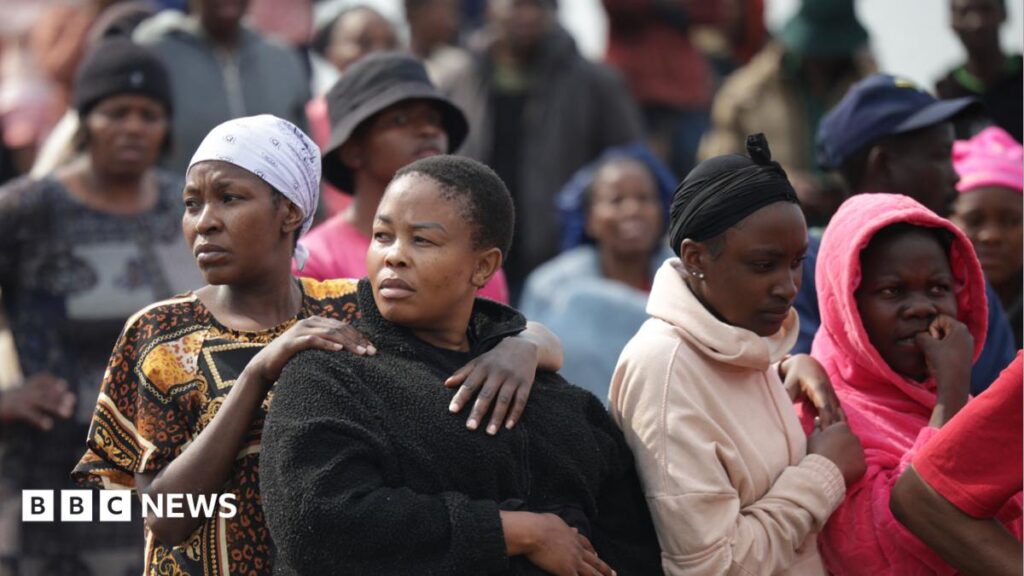
Community members near the discovery site have expressed heightened dread. “We hear rumors, we hear whispers, but we cannot sleep,” said Zanele Khumalo, a resident of the nearby township of KwaZakhele. Such sentiment echoes earlier reactions in Cape Town’s Khayelitsha and Johannesburg’s Soweto when similar clusters of murders surfaced, underscoring how quickly fear can spread across disparate urban pockets.
Why the killings matter beyond the headlines
Beyond the tragic loss of life, the string of murders threatens to erode confidence in public safety—a cornerstone for both domestic stability and foreign investment. Analysts from the Johannesburg Stock Exchange note that heightened insecurity can deter tourism, a sector that contributed roughly 9 % of GDP in 2025. If the perception of danger spreads internationally, the already fragile recovery from the pandemic‑induced slump could stall.
For South African women, the impact is personal and systemic. A 2026 survey by the University of Pretoria found that 68 % of female respondents now avoid traveling after dark, and 42 % reported changing their employment or schooling arrangements because of safety concerns. Such behavioral shifts have ripple effects on labor participation rates and educational attainment, potentially widening the gender gap in economic outcomes.
The case also raises questions about the efficacy of SAPS reforms introduced after the 2020 National Strategic Plan on GBV. While the plan promised more specialized units and community liaison officers, critics argue that funding shortfalls and bureaucratic inertia have limited its reach. If the deaths are indeed linked, they could become a litmus test for whether policy promises translate into tangible protection on the ground.
Voices from the streets, the diaspora, and the corridors of power
Civil society has mobilised swiftly. The coalition Women’s Rights South Africa (WRSA) organized a silent march in Johannesburg on 17 September, demanding a transparent investigation and immediate deployment of additional forensic resources. In a statement, WRSA’s chairperson, Dr. Lindiwe Maseko, called the situation “a national emergency that requires more than rhetoric—it demands decisive, accountable action from the state.”
The South African diaspora, particularly in the United Kingdom and Canada, has also weighed in via social media. Hashtags such as #NinthVictim and #EndGBVSA trended on Twitter, prompting diaspora NGOs to raise funds for victim support services back home. According to a post on the diaspora platform AfroConnect, a crowdfunding campaign has already collected over £30,000 to assist families of the victims and to fund legal aid for pending cases.
Within government, President Cyril Ramaphosa’s office issued a brief statement urging “swift justice” while promising a cabinet‑level review of policing strategies. Opposition parties, notably the Democratic Alliance, seized the moment to criticize the ruling African National Congress (ANC) for “repeatedly failing to protect women.” The political debate is intensifying, with the upcoming local elections in November likely to feature GBV as a decisive campaign issue.
What lies ahead: investigations, reforms, and regional implications
SAPS has announced the formation of a dedicated task force that will operate under the oversight of the Independent Police Investigative Directorate (IPID). Sources close to the police say the unit will include forensic psychologists, crime scene analysts, and community liaison officers—a multidisciplinary approach that, if properly funded, could close the investigative gaps that have plagued past cases.
Legislatively, the National Assembly is expected to debate amendments to the Criminal Law (Sexual Offences and Related Matters) Amendment Bill, which aims to increase penalties for perpetrators of GBV and streamline victim testimony procedures. If passed, the reforms could set a precedent for other Southern African nations grappling with similar spikes in gender‑based crimes.
Regionally, the Southern African Development Community (SADC) has scheduled a summit in Harare next month to address cross‑border crime and gender violence. South Africa’s handling of the current crisis will likely influence the agenda, as neighboring countries such as Namibia and Botswana have reported parallel concerns about women’s safety in rural areas. Observers suggest that a coordinated SADC response could foster shared best practices, from data sharing to joint victim‑support networks.
Quick Answers
How many women have been found dead in the recent South African killing spree?
As of 17 September 2026, nine women have been discovered dead, with authorities still investigating whether the cases are linked.
What steps is the South African police force taking to investigate the murders?
SAPS has created a specialised task force under IPID oversight, adding forensic experts and community liaison officers to accelerate investigations.
Why does this series of killings matter for South Africa’s economy?
Increased fear of violence can deter tourism and affect labor participation, potentially slowing economic growth and foreign investment.
Source: www.bbc.co.uk




💬 Comments 0