SpaceX Starship double‑catch test aborts, booster lands in ocean – 2026 launch impact
Background: Starship’s ambitious re‑usability plan
SpaceX’s Starship is designed to be the world’s first fully reusable launch system, with the goal of driving down the cost of reaching orbit and beyond. A key element of that vision is the “double‑catch” maneuver, where the Super Heavy booster is snagged by two massive steel claws on the launch‑pad‑side “catch‑tower” after returning from flight, while the Starship spacecraft lands on a separate landing pad downrange.
If successful, the double‑catch would eliminate the need for the booster to perform a propulsive landing burn, saving fuel and reducing turnaround time between flights. Elon Musk has repeatedly said that achieving this feat could cut launch costs by as much as 30 percent, a figure that would reshape the economics of satellite constellations, lunar missions, and even interplanetary travel.
What happened on the test day
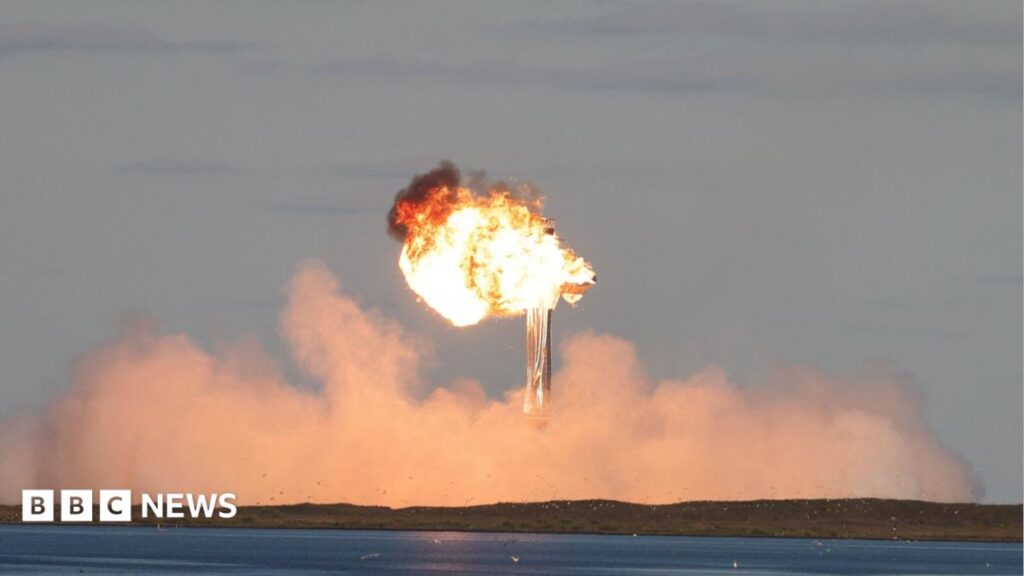
On 12 November 2026, SpaceX attempted the first integrated double‑catch of a Starship flight. The vehicle lifted off from Boca Chica, Texas, and after a brief coast phase, the Super Heavy booster began its descent. Instead of being caught by the tower’s claws, the booster’s trajectory deviated by a few meters, causing the automated safety system to trigger an abort.
The booster’s flight termination system activated, and the vehicle splashed down in the Gulf of Mexico about 3.2 kilometres from the shoreline. Meanwhile, the Starship upper stage performed its planned landing on the remote “Starbase” pad, a success that was celebrated in the live webcast. SpaceX later posted a brief statement confirming the abort and promising a “quick analysis and redesign of the catch‑tower interface.”
Why the setback matters for SpaceX’s timeline
The double‑catch is a linchpin in SpaceX’s 2026‑2027 launch schedule. The company has pledged to begin commercial lunar‑lander flights for NASA’s Artemis program by early 2027, and a reliable, low‑cost booster recovery method is essential to meet that deadline. A delay in perfecting the catch could push the first Artemis‑compatible Starship launch into 2028, according to industry analysts at SpaceNews.
Beyond NASA, dozens of private customers are waiting on Starship’s promised price point for deploying large satellite constellations. A slower turnaround means higher per‑launch costs, which could make competing launch providers such as Arianespace’s Ariane 6 or Blue Origin’s New Glenn more attractive for the next wave of broadband and Earth‑observation satellites.
The ripple effect for Africa’s emerging space sector
African nations and startups have been watching Starship closely because its low‑cost model could democratise access to space. Kenya’s Space Agency recently signed a memorandum of understanding with SpaceX to explore affordable launch options for its planned Earth‑observation constellation, while Nigeria’s commercial satellite firm, SpaceOne, has earmarked Starship as a potential carrier for its next generation communications payload.
If the double‑catch delay forces SpaceX to revert to a propulsive landing for the booster, launch prices could stay above the $2 million per kilogram threshold that many African operators consider viable. That would keep the continent dependent on more expensive options from Russia’s Roscosmos or Europe’s Arianespace, slowing the rollout of regional broadband services that could bridge the digital divide across Sub‑Saharan Africa.
Reactions and the road ahead
Investors responded cautiously; SpaceX’s private‑round valuation slipped marginally in the week after the test, according to Bloomberg. However, Musk posted on X that “failures are data – we’ll be back stronger.” Engineers at the company reportedly spent the weekend analysing high‑speed video footage to pinpoint the mis‑alignment that caused the miss.
SpaceX has scheduled a follow‑up catch‑test for early 2027, with a redesigned claw‑actuation system that adds redundant sensors, as reported by The Verge. In the meantime, the company will continue to fly Starship on orbital missions that do not require the double‑catch, ensuring revenue streams keep flowing while the recovery technology matures.
Quick Answers
What caused the Starship booster to miss the catch‑tower?
Telemetry showed a slight lateral drift during descent, prompting the automated safety system to abort the catch and trigger a splash‑down.
How will the test failure affect launch prices for African satellite operators?
If SpaceX must use a propulsive landing instead of the cheaper double‑catch, launch costs could stay above $2 million per kilogram, limiting affordability for many African customers.
When is SpaceX planning the next double‑catch attempt?
SpaceX aims to conduct a redesigned double‑catch test in early 2027, pending analysis of the November 2026 data.
Source: www.bbc.co.uk




💬 Comments 0