Spain win U20 Women’s World Cup 2026 in Poland, beating North Korea – what it means for African football
Background: Spain’s rise in women’s youth football
Spain’s senior women’s side captured the senior World Cup in 2023, and their under‑20 squad has been on a parallel trajectory, clinching the European championship twice in the last five years. The Spanish federation has poured resources into academies, professionalising the women's game at a level that still outpaces many African nations.
The U20 World Cup, held every two years, serves as a showcase for emerging talent and a bellwether for future senior success. Historically, African teams have struggled to progress beyond the group stage, with Nigeria’s 2014 quarter‑final run being the most notable exception. Spain’s consistent presence in the latter stages reflects a systematic approach that African federations are beginning to study.
Poland’s selection as host for the 2026 edition was part of FIFA’s effort to spread the women’s game across new markets. The tournament attracted record attendance for youth women’s football, signalling growing commercial interest that could translate into sponsorship opportunities for clubs and federations worldwide.
The 2026 U20 World Cup final: Spain vs North Korea
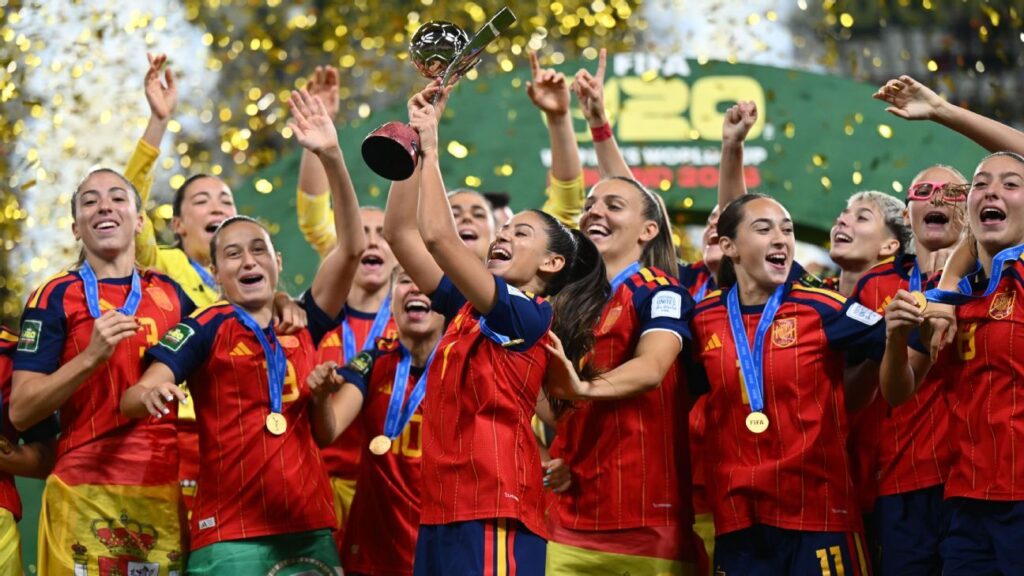
The final on 28 September 2026 in Warsaw saw Spain defeat defending champions North Korea 2‑1 after extra time. Forward Aitana Fernández opened the scoring in the 23rd minute, while midfielder Marta Ortega added a second just before the break. North Korea equalised late in the second half through a set‑piece header, forcing extra time.
Spain’s victory was sealed when substitute Carla Gómez struck a decisive volley in the 108th minute, a goal praised by coach Montse Tomé for its composure under pressure. The win marked Spain’s second U20 world title, confirming the nation’s dominance across age groups and cementing its reputation as a breeding ground for future senior stars.
The match drew an audience of over 30,000 spectators and was broadcast in more than 120 countries, including a live feed on Africa’s SuperSport network. Social media buzz highlighted the technical quality of Spain’s play, with analysts noting the team’s possession‑based style and tactical flexibility as hallmarks of their success.
What the triumph means for African women's football
Spain’s win underscores a widening gap between European powerhouses and African nations that still rely on limited funding and fragmented youth pathways. For African federations, the result is a clear signal that sustained investment in grassroots programmes can produce world‑class talent within a decade.
Nigeria, Ghana and South Africa each entered the tournament with high hopes but exited at the group stage, a disappointment that prompted immediate calls from coaches for a revamp of scouting and coaching curricula. According to a post‑tournament report from CAF, the lack of competitive domestic leagues for women under‑20 remains a critical bottleneck.
The Spanish model—centralised training centres, university scholarships, and partnerships with professional clubs—offers a blueprint that African administrators are beginning to adapt. Several West African federations have already signed memoranda of understanding with Spanish clubs to facilitate player exchanges and coaching clinics.
Economic and scouting ripple effects across the continent
European clubs have intensified scouting missions in Africa following the tournament, hoping to discover the next generation of talent before they are snapped up by rivals. Reports from scouts in Lagos and Accra indicate that clubs from La Liga’s women’s side are holding trial camps in Nigeria and Kenya during the off‑season.
The commercial success of the final also attracted new sponsors eager to tap into the African market. A Spanish sportswear brand announced a multi‑year partnership with the South African Women’s Football Association, citing the tournament’s viewership numbers as justification for the investment.
For individual players, the visibility of the tournament creates a pathway to professional contracts abroad. Nigerian forward Chidinma Okafor, who featured in the 2026 U20 World Cup, reportedly received interest from Valencia’s women’s side, illustrating how performance on a global stage can open doors that were previously inaccessible.
Looking ahead: Opportunities for African players and federations
The immediate next step for African federations is to leverage the momentum generated by the tournament to secure funding for youth academies. CAF’s Executive Committee has pledged to allocate a larger share of its development budget to women’s under‑20 programmes, a move that could level the playing field over the next Olympic cycle.
Diaspora communities in Europe and North America are also poised to play a larger role. Players of African descent who are currently in European academies are being encouraged to represent their ancestral nations, a trend that could boost the talent pool for African U20 squads ahead of the 2028 edition in the United States.
Finally, the success of Spain may inspire a re‑evaluation of coaching education across the continent. Several African coaches are now enrolling in UEFA‑licensed courses, hoping to import the tactical sophistication that helped Spain dominate. If these efforts bear fruit, the gap between Europe and Africa could narrow, setting the stage for a more competitive global women’s game.
Quick Answers
Who scored the winning goal for Spain in the 2026 U20 Women's World Cup final?
Carla Gómez netted the decisive goal in the 108th minute of extra time.
When and where was the 2026 U20 Women's World Cup final played?
The final took place on 28 September 2026 at the National Stadium in Warsaw, Poland.
How could Spain’s victory affect African women’s football?
It highlights the benefits of structured youth development, prompting African federations to invest in academies, scouting, and coaching to close the performance gap.
Source: www.espn.com




💬 Comments 0