Sri Lanka court convicts 15 men over 2019 Easter Sunday bombings that killed 270 people
Background: The 2019 Easter attacks and their fallout
On Easter Sunday, April 21, 2019, a series of coordinated suicide bombings ripped through three churches and three upscale hotels in Colombo, Negombo and Batticaloa. The attacks, claimed by a local Islamist extremist group, left 270 people dead and more than 500 injured, marking the deadliest terror incident in Sri Lanka’s post‑civil‑war era.
The bombings shocked the island nation, which had been praised for its relative stability after a three‑year civil war that ended in 2009. In the immediate aftermath, the government declared a state of emergency, arrested hundreds of suspects and launched a massive security crackdown. International partners, including India, the United States and several European nations, offered intelligence and forensic support to help trace the network behind the attacks.
The trial and convictions: Who were the 15 men sentenced
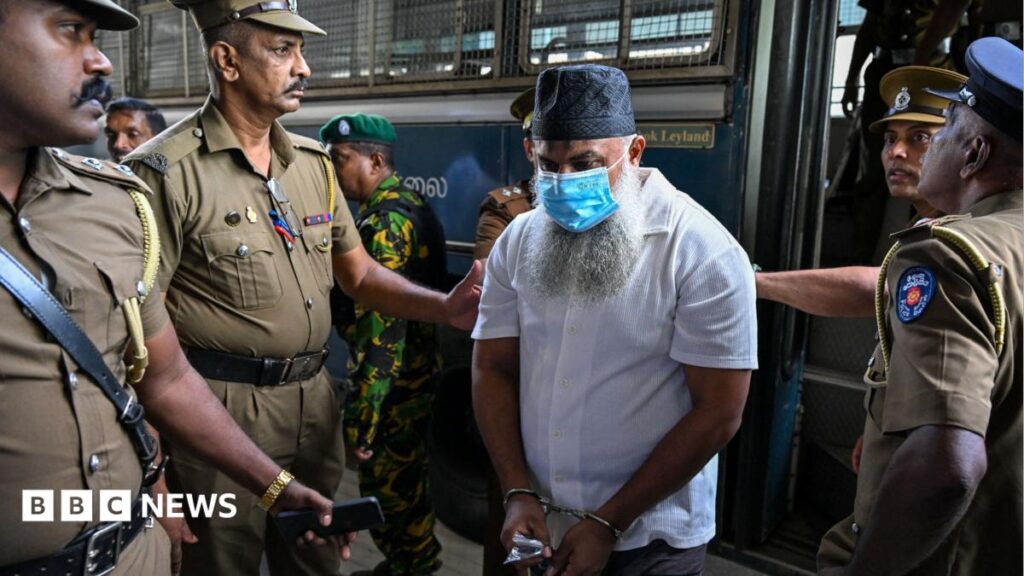
After a two‑year investigation, the Colombo High Court delivered its verdict on September 22, 2024, finding 15 men guilty of planning, financing and executing the Easter bombings. The convicted include three senior operatives of the National Thowheeth Jama’ath (NTJ) extremist group, two foreign nationals from India and Pakistan, and several local businesspeople alleged to have funneled money to the plot.
Sentences ranged from 20 years to life imprisonment, with three defendants receiving the death penalty—though Sri Lanka’s moratorium on executions makes it unlikely to be carried out. The court also ordered the seizure of assets worth roughly $12 million, a move aimed at dismantling the financial channels that supported the terror network.
Why the verdict matters beyond Sri Lanka’s borders
The convictions send a clear signal to extremist groups operating across South Asia that Sri Lanka is willing to pursue long‑term accountability, not just short‑term security sweeps. This stance aligns with a broader regional trend where governments are moving from emergency arrests to judicial processes that can withstand international scrutiny.
For African nations, the case offers a template for handling home‑grown radicalisation that has been linked to foreign fighters returning from Syria and Iraq. Countries such as Nigeria, Kenya and Tanzania have faced similar challenges with Boko‑Haramu, Al‑Shabaab and home‑grown Islamist cells. Observers note that Sri Lanka’s blend of forensic investigation, financial tracking and courtroom transparency could inform African counter‑terrorism reforms.
Impact on tourism: African travelers and the hotel industry
The Easter bombings devastated Sri Lanka’s tourism sector, wiping out roughly $1.5 billion in revenue in 2019, according to the World Travel & Tourism Council. While the industry has recovered modestly, the lingering perception of insecurity still deters many long‑haul visitors, including those from Africa.
South African and Nigerian travel agencies report a 12‑percent drop in bookings to Sri Lanka since the attacks, according to a 2024 survey by the African Travel Association. The recent convictions are expected to restore confidence, but industry insiders caution that marketing campaigns must emphasise not only safety but also the cultural ties—Sri Lanka’s historic Buddhist‑African exchanges and the growing Indian diaspora in Johannesburg and Lagos.
Reactions from the diaspora and civil society
Sri Lankan diaspora groups in the United Kingdom, Canada and South Africa welcomed the verdict, calling it “a step toward justice for the victims and a deterrent for future extremism.” A statement from the Sri Lankan Association of South Africa highlighted the need for continued community‑level vigilance against radical ideologies that exploit religious grievances.
Human‑rights organisations, however, warned that the death‑penalty sentences could clash with international norms. Amnesty International, in a brief released after the ruling, urged the government to commute the capital punishments and focus on rehabilitation programmes for low‑level operatives.
What comes next: Legal, security and diplomatic implications
The convictions are likely to trigger appeals, especially from the foreign nationals who claim they were coerced into confessions. Sri Lanka’s Supreme Court has set a six‑month window for filing appeals, a process that could extend the legal saga into 2025.
On the security front, the government announced a new “Integrated Counter‑Extremism Taskforce” that will combine intelligence, financial crime units and community outreach. The taskforce’s first joint operation, slated for early 2025, aims to dismantle a suspected money‑laundering ring that allegedly funneled donations from overseas charities into radical groups—a pattern that mirrors money‑flow investigations in Kenya’s fight against Al‑Shabaab financing.
Quick Answers
How many people were killed in the 2019 Sri Lanka Easter bombings?
The attacks killed 270 people and injured more than 500.
What sentences did the Sri Lankan court hand down to the convicted men?
Sentences ranged from 20 years to life imprisonment, with three defendants receiving the death penalty.
How might the convictions affect African tourists planning to visit Sri Lanka?
The verdict is expected to improve safety perceptions, but travel agencies report a 12% drop in African bookings since 2019, indicating a need for targeted marketing to regain confidence.
Source: www.bbc.co.uk




💬 Comments 0