Mark Doyle BBC Africa Correspondent Dies at 67 – Legacy of Rwanda & Sierra Leone Reporting
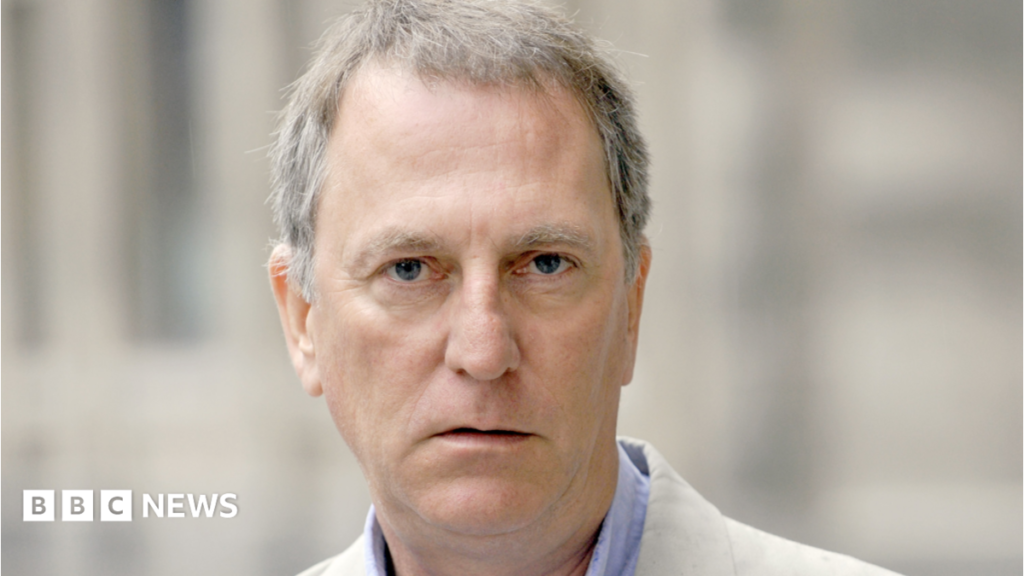
A career forged in Africa's toughest wars
Mark Doyle began his journalism journey in the early 1990s, quickly becoming one of the BBC's most trusted voices on the continent. He was posted to Kigali in 1994, where he covered the genocide that claimed an estimated 800,000 lives. His on‑the‑ground reporting, filmed amid the wreckage of hospitals and schools, gave the world a visceral sense of the horror that statistics alone could not convey. The BBC later described his dispatches as "a benchmark for conflict journalism in Africa".
After Rwanda, Doyle moved to West Africa, spending several years embedded with United Nations peacekeepers in Sierra Leone during its brutal civil war. His coverage of the 1999 disarmament campaigns and the eventual handover of power in 2002 earned him a Royal Television Society award. By the time he left the continent in 2007, his body of work had helped shape international policy debates on humanitarian intervention.
Why his reporting still matters for Africa today
Doyle's vivid storytelling did more than inform Western audiences; it altered how African conflicts were framed in diplomatic circles. A 2003 United Nations briefing cited his interview with a former child soldier as a key factor in securing additional funding for demobilisation programmes. In Rwanda, his early warnings about the spill‑over of ethnic tensions into neighboring Burundi prompted the African Union to dispatch a mediation team, a move credited with averting a larger regional crisis.
Beyond immediate policy outcomes, Doyle's archives now serve as educational material for journalism schools across Africa. His method of blending human‑interest angles with rigorous data analysis set a template that many African reporters still emulate. As the continent grapples with new challenges—such as the digital misinformation surge during the 2024 elections—his legacy offers a reminder that nuanced, field‑based reporting can cut through noise and shape public opinion.
Mentorship and the rise of African voices
Colleagues recall that Doyle actively mentored local journalists, often inviting them to co‑author stories for the BBC World Service. According to a former BBC Africa bureau chief, he helped launch the careers of at least three Kenyan correspondents who now lead their own newsrooms. This mentorship model was rare at a time when foreign newsrooms tended to dominate story‑telling, and it contributed to a slow but noticeable shift toward African‑led narratives.
His influence also extended to training programmes funded by the BBC World Service Trust. Those initiatives, launched in 2005, provided media literacy workshops in war‑torn regions of the Democratic Republic of Congo and Liberia. Participants later reported that the skills they acquired—fact‑checking, source verification, and ethical storytelling—proved vital when covering the Ebola outbreak in 2014. Doyle’s commitment to capacity‑building helped lay groundwork for a more resilient African press corps.
A shrinking pool of foreign correspondents: the wider trend
Doyle’s death coincides with a broader contraction of foreign bureaus in Africa. Budget cuts at major Western broadcasters have led to the closure of several permanent desks over the past decade, prompting reliance on freelancers and string‑pullers based outside the continent. A 2022 Reuters analysis found that the number of full‑time foreign correspondents in sub‑Saharan Africa fell by 30% between 2010 and 2020. This trend raises concerns about the depth of coverage for complex, long‑term issues such as climate‑driven migration and the growing influence of Chinese investment.
The loss of seasoned veterans like Doyle intensifies the risk of “parachute journalism,” where reporters arrive only for headline‑making events without sustained engagement. African media watchdogs warn that this could lead to a resurgence of one‑dimensional narratives that overlook local agency. In response, some news organisations are experimenting with hybrid models that pair foreign correspondents with African freelancers, a practice Doyle had championed during his later years at the BBC.
What comes next for the BBC and African coverage
The BBC announced a tribute to Doyle and confirmed that a senior editor will oversee a new mentorship fund named after him. The fund aims to sponsor at least ten African journalism trainees annually, focusing on data‑driven reporting and safety training in conflict zones. This initiative signals an attempt to preserve Doyle’s ethos of capacity‑building even as the corporation restructures its Africa operations.
Industry analysts suggest that the BBC’s commitment to the mentorship fund could become a template for other broadcasters seeking to balance cost pressures with the need for credible African reporting. If successful, it may help counterbalance the dwindling number of foreign correspondents and ensure that stories from the continent continue to reach global audiences with the same depth that Doyle once provided.
Quick Answers
When did veteran BBC Africa correspondent Mark Doyle die?
Mark Doyle passed away on September 22, 2026, at the age of 67.
What were Mark Doyle’s most notable reporting assignments?
He is best remembered for covering the 1994 Rwandan genocide and the Sierra Leone civil war in the late 1990s and early 2000s.
How might Doyle’s death affect BBC’s coverage of Africa?
The BBC plans to launch a mentorship fund in his name to train African journalists, aiming to maintain high‑quality reporting despite a shrinking foreign correspondent presence.
Source: www.bbc.co.uk



💬 Comments 0