Sylvia Zin urges Trump to raise husband’s China detention at Xi meeting, stakes for US‑China ties and African investors
Background: families of detained scholars seek diplomatic leverage
Sylvia Zin’s husband, Michael Zin, is a U.S. academic specializing in Chinese political economy who was detained in Shanghai last year on vague national‑security charges. His case is one among dozens of American scholars, journalists and businesspeople currently held in China without transparent legal processes, a pattern that has intensified since the Biden administration tightened scrutiny of Beijing’s tech and security policies.
The families of the detainees have formed informal coalitions, lobbying U.S. lawmakers, human‑rights NGOs and, increasingly, high‑profile politicians to bring their loved ones’ plights onto the diplomatic agenda. Their strategy hinges on the belief that personal appeals at the highest level can cut through the usual bureaucratic inertia of consular negotiations.
Sylvia Zin, a former professor of sociology at the University of Michigan, has become a vocal spokesperson for the group. She has appeared on several news programs, testified before the House Foreign Affairs Committee, and now plans to deliver a written appeal to President Donald Trump ahead of his scheduled meeting with Chinese President Xi Jinping.
The upcoming Trump‑Xi summit and the plea from Sylvia Zin
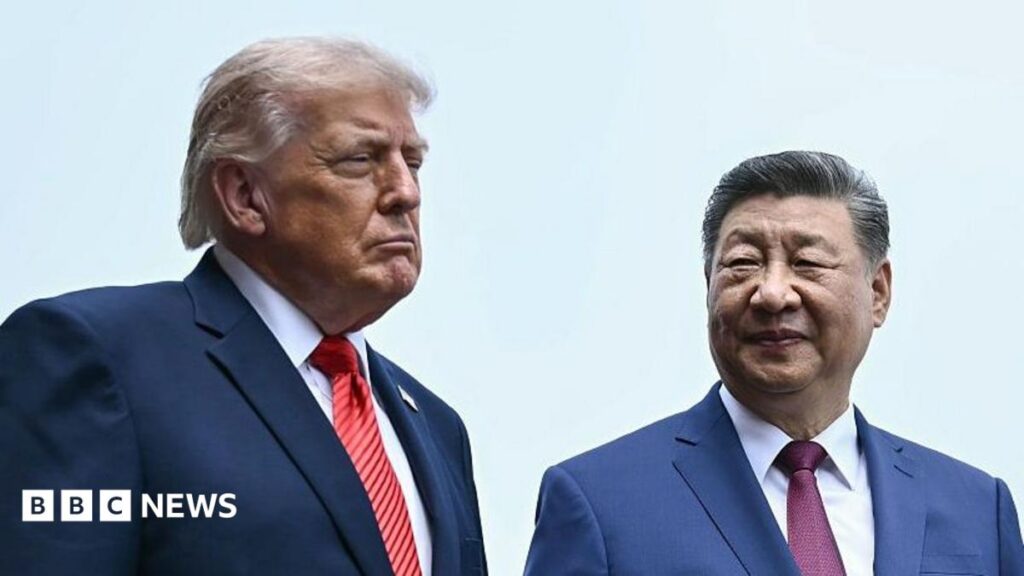
President Trump, who is set to host President Xi in Washington next week for a two‑day summit, has signaled a willingness to discuss “human‑rights concerns” as part of a broader agenda that includes trade, technology transfers and the status of U.S. troops in the Indo‑Pacific. The meeting marks the first high‑level encounter between the two leaders since the 2022 diplomatic freeze over Taiwan and semiconductor export restrictions.
According to a statement released by the family coalition on Tuesday, Sylvia Zin will submit a formal letter to the White House urging Trump to raise Michael’s case directly with Xi. The letter outlines the lack of evidence presented against Michael, the psychological toll on his family, and the broader chilling effect on academic exchange programs that benefit both U.S. universities and Chinese research institutions.
Trump’s team has not publicly confirmed whether the letter will be discussed, but insiders say the president’s foreign‑policy advisers are preparing a “human‑rights briefing” that includes the detained scholars. If the issue makes it onto the summit agenda, it could become a rare instance where a personal family appeal influences a bilateral summit that traditionally focuses on macro‑economic and security concerns.
Why the case matters beyond one family: US‑China rivalry and African interests
The detention of American scholars is more than an isolated human‑rights issue; it signals Beijing’s willingness to weaponize its legal system in the broader U.S.–China rivalry. Analysts note that the same tactics could be deployed against African nationals working for Chinese firms, especially as Beijing expands its Belt and Road projects across the continent.
African countries are heavily invested in Chinese financing for infrastructure, energy and telecommunications. Any escalation in U.S.–China tensions that leads to stricter export controls on technology or heightened scrutiny of Chinese investment could reverberate across African markets, potentially slowing down projects in Kenya, Ethiopia and Nigeria that rely on Chinese equipment and expertise.
Furthermore, the diaspora community in the United States, which includes a growing number of African scholars and entrepreneurs, watches these cases closely. A perception that China can arbitrarily detain foreign experts may deter African researchers from collaborating with Chinese institutions, limiting knowledge‑exchange opportunities that have historically benefited African universities.
Possible outcomes and what African stakeholders should watch
If Trump raises the Zin case at the summit and secures a concession—such as a promise of consular access or a review of the charges—it could set a precedent for future diplomatic interventions on behalf of detained foreigners. Such a breakthrough would likely encourage African NGOs and business groups to lobby their own governments for similar advocacy when their citizens face legal uncertainty in China.
Conversely, if the issue is sidelined in favor of trade talks, the families may see little immediate relief, and the broader message to Beijing would be that personal appeals have limited impact. In that scenario, African investors might brace for a more hardened Chinese stance, possibly tightening loan terms or imposing stricter compliance requirements on projects tied to U.S. technology.
Regardless of the summit’s outcome, African policymakers should monitor any shifts in U.S. policy toward China that affect technology transfer rules, as these could directly influence the availability of Chinese‑made solar panels, telecom gear and railway components that are integral to Africa’s development plans. Engaging with both Washington and Beijing early on can help African nations navigate the geopolitical cross‑currents before they translate into concrete economic constraints.
Quick Answers
Who is Sylvia Zin?
Sylvia Zin is a former sociology professor and the wife of Michael Zin, a U.S. scholar detained in China on national‑security charges.
What is the status of Michael Zin’s detention?
Michael Zin remains incarcerated in Shanghai without a public trial; his family says he has not been given formal charges or evidence.
When is President Trump meeting President Xi Jinping?
The summit is scheduled for next week, with the exact dates announced by the White House for a two‑day session in Washington.
Source: www.bbc.co.uk



💬 Comments 0