Trump administration accuses CNN, Politico, MS NOW of falsehoods ahead of June 2026 court hearing
Background: A fraught battle over media credibility
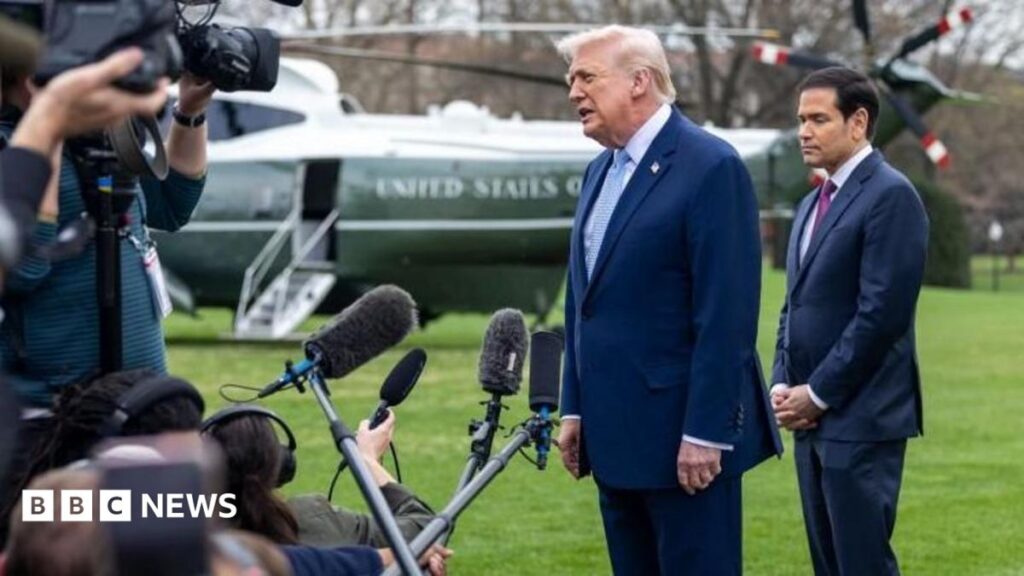
In early June 2026, the U.S. Justice Department filed a brief supporting the Trump administration’s claim that several mainstream outlets – CNN, Politico and the newly launched MS NOW – were spreading "falsehoods" about the former president’s alleged involvement in a classified documents case. The brief was submitted ahead of a scheduled court hearing where the outlets seek to overturn a 2024 executive order that barred them from accessing certain government records, arguing the ban violates First Amendment protections.
The lawsuit stems from a broader effort by the Department of Justice to enforce the 2024 order, which was justified at the time as a safeguard against national‑security leaks. The administration argues that the outlets’ reporting has repeatedly included unverified claims that could jeopardise ongoing investigations, a charge the media groups reject as an attempt to stifle critical journalism.
The lawsuit and DOJ’s national‑security argument
CNN, Politico and MS NOW filed the suit in the U.S. District Court for the District of Columbia, contending that the ban infringes on their ability to report on matters of public interest, especially the handling of classified documents after Trump left office. The Justice Department’s response, released on June 12, cites “substantial evidence” that the outlets have published inaccurate narratives that could compromise investigative procedures, and it frames the dispute as a national‑security matter rather than a simple press‑freedom clash.
According to the DOJ brief, the alleged falsehoods include claims that the former president deliberately concealed documents, that senior aides colluded to hide evidence, and that the Justice Department itself engaged in partisan misconduct. The department warns that such reporting “undermines public confidence in the rule of law” and could influence witnesses, a point it says is supported by internal memos obtained through Freedom of Information requests.
Why it matters for press freedom in the United States
The case highlights a growing tension between the executive branch and the press, a pattern that intensified after the 2020 election cycle. Legal scholars note that invoking national‑security concerns to curb reporting can set a precedent that other administrations might exploit to silence dissenting voices, especially when the definition of “falsehood” remains vague.
If the court upholds the administration’s stance, it could embolden future attempts to restrict access to government information, effectively reshaping the balance between transparency and security. Conversely, a ruling in favor of the media would reaffirm the judiciary’s role as a bulwark against executive overreach, reinforcing the principle that the press can challenge official narratives without fear of punitive bans.
Implications for African journalists and the diaspora media landscape
African newsrooms and diaspora outlets that rely on U.S. government sources for coverage of U.S. policy toward Africa watch the case closely. Restrictions on mainstream U.S. media could limit the flow of detailed reporting on topics such as U.S. aid, trade agreements, and security cooperation that directly affect African economies and governance.
Moreover, the lawsuit underscores a broader risk: if the U.S. government tightens its grip on information, African journalists based in Washington or covering U.S. institutions may find it harder to obtain reliable data. This could push more African media houses to turn to alternative, sometimes less vetted, sources, potentially amplifying misinformation across the continent’s burgeoning digital news ecosystem.
Reactions from politicians, media watchdogs and the public
Democratic lawmakers, including Senate Majority Leader Chuck Schumer, condemned the administration’s move as “an attack on the First Amendment,” calling for a congressional investigation into the use of national‑security language to silence critical reporting. Republican leaders, however, defended the brief, arguing that the government must protect the integrity of ongoing investigations.
Press‑freedom organizations such as the Committee to Protect Journalists and Reporters Without Borders issued statements warning that the case could erode global standards for media independence. Public opinion appears divided; a Pew Research poll conducted in May 2026 shows that 48% of Americans believe the government should have more power to limit “misleading” news, while 42% view such power as a threat to democracy.
What’s next: The court hearing and possible fallout
The hearing is set for July 15, 2026, with both sides expected to present extensive evidence. Legal analysts predict a complex battle over the definition of “falsehood” and the scope of “national security” in the context of journalism. The judge’s ruling could be appealed, potentially reaching the Supreme Court, where the issue may be framed alongside other high‑profile First Amendment cases.
Regardless of the outcome, the dispute is likely to fuel further legislative proposals aimed at clarifying the limits of press access to classified material. For African stakeholders, the case serves as a reminder that U.S. policy decisions on media freedom reverberate far beyond its borders, influencing how African stories are told, sourced, and perceived worldwide.
Quick Answers
What is the Trump administration accusing CNN, Politico and MS NOW of?
The administration alleges the outlets have spread falsehoods about the former president’s handling of classified documents, which it says could jeopardize national‑security investigations.
How could this lawsuit affect African journalists?
If the ruling limits U.S. media access to government information, African journalists may lose a key source for reporting on U.S. policies that impact the continent, potentially increasing reliance on less reliable data.
When is the court hearing scheduled?
The hearing is set for July 15, 2026, in the U.S. District Court for the District of Columbia.
Source: www.bbc.co.uk



💬 Comments 0