How Gaelic Football and Hurling Fueled Irish Resistance to British Rule in 1916 – A Deep Dive
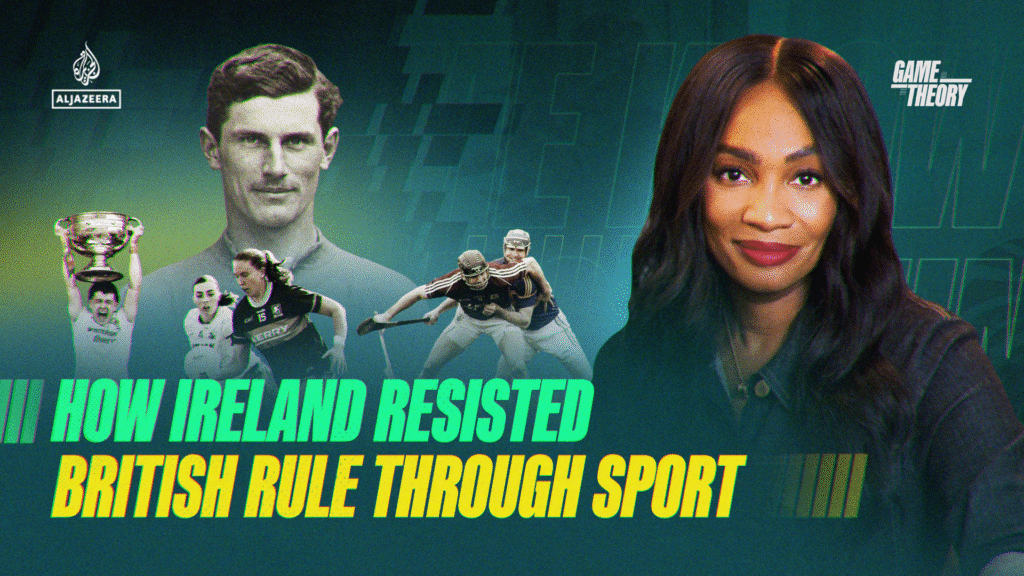
A colonised island and a cultural siege
When the United Kingdom formally annexed Ireland in 1801, the imperial project went beyond politics and economics. English language, legal systems and even school curricula were imposed, while native Irish customs were systematically discouraged. By the late 19th century, British authorities had labelled many traditional pastimes as “primitive” or “dangerous”, hoping to replace them with imported sports such as cricket and rugby that mirrored the empire’s values. The loss of Gaelic games therefore became a symbolic loss of Irish identity, a concern voiced by cultural nationalists who feared that the island’s soul was being erased.
The reaction was not merely nostalgic; it was political. Irish writers, priests and teachers argued that reclaiming native sport could re‑ignite a sense of community that the British administration had tried to dilute. In this climate, the idea of a sport‑based resistance began to take shape, setting the stage for an organized movement that would later intertwine with the fight for independence.
The birth of the GAA and its political DNA
On November 1, 1884, a group of Dublin intellectuals led by Michael Cusack and Maurice Davin founded the Gaelic Athletic Association (GAA). Their charter was explicit: to revive and promote indigenous games like hurling, Gaelic football and handball, while also fostering Irish language and culture. The GAA’s constitution even prohibited members of the British armed forces from joining, a clause that underscored its anti‑colonial stance.
Historians such as Dr. Eoin O’Mahony argue that the GAA quickly became a de‑facto political network. Local clubs served as meeting points for nationalist societies, and match days doubled as venues for distributing pamphlets and organising rallies. The association’s rapid growth—reaching over 100 clubs by the 1890s—demonstrated how sport could mobilise ordinary citizens without overtly violating the law.
Games as covert resistance during the revolutionary decade
The early 20th century saw the GAA transform from a cultural hobby into a strategic front in the struggle for self‑determination. During the 1913 Dublin Lockout, for example, GAA members organised charity matches that raised funds for striking workers, linking labour rights with national liberation. By the Easter Rising of 1916, many of the insurgents were also GAA athletes; the association’s emphasis on physical fitness was seen as preparation for armed conflict. According to a 1916 report in the Irish Independent, roughly one‑third of the volunteers in the Irish Volunteers were active GAA members.
Even after the Rising, the British administration recognised the threat. The Defence of the Realm Act of 1914 had already allowed the police to monitor large gatherings, and GAA matches were frequently infiltrated by informants. Yet the association persisted, using rural festivals and “cúige” (province) tournaments to keep the nationalist spirit alive. The famous 1917 All‑Ireland final in Croke Park, attended by over 30,000 spectators, became a rallying point where slogans for freedom were shouted alongside cheers for the winning team.
Parallels across Africa: sport as a tool of anti‑colonial defiance
The Irish experience resonates with several African anti‑colonial movements that also harnessed indigenous sport to challenge European domination. In South Africa, the 1906 formation of the African Football Association mirrored the GAA’s mission by promoting soccer among black communities as a counter‑narrative to colonial clubs. Similarly, in Kenya, the Kikuyu’s revival of traditional wrestling (mukanda) in the 1930s was used to strengthen communal bonds against British land policies. Scholars such as Dr. Nkiru Okonkwo note that these parallel histories illustrate a broader pattern: colonised peoples often turn to cultural practices—especially sport—to forge collective identity and organise resistance when political avenues are blocked.
Today, the Irish diaspora has seeded GAA clubs on the African continent, most notably in South Africa, Kenya and Nigeria. The Lagos Gaelic Athletic Club, founded in 2019 by Irish expatriates and Nigerian enthusiasts, hosts weekly hurling clinics that attract local youths curious about the fast‑paced game. While the club’s primary aim is cultural exchange, its presence reflects a growing awareness that the Irish model of sport‑driven nation‑building offers a template for community development in post‑colonial African settings.
Why the legacy matters for contemporary Ireland and Africa
Understanding how Gaelic games functioned as a resistance tool reshapes the narrative of Irish independence. It moves the story beyond political speeches and battlefield tactics, highlighting the everyday spaces—fields, pubs, schoolyards—where ordinary people asserted their identity. For modern policymakers, the GAA’s community‑centric structure offers lessons on how sport can be leveraged for social cohesion, especially in regions grappling with ethnic fragmentation or post‑conflict reconstruction.
In Africa, the resurgence of indigenous sports—like Ethiopia’s traditional stick‑fighting (genna) or Ghana’s oware‑based team games—has been linked to youth empowerment programs funded by NGOs. The Irish example provides a blueprint: formalise a governing body, protect the sport from external commercial pressures, and embed cultural education within the training regime. As African nations increasingly invest in sports tourism, the GAA’s successful branding of Croke Park as a heritage site could inspire similar projects that celebrate local games while generating revenue.
The road ahead: digital revival and transnational solidarity
The 21st‑century digital boom is giving old games a new platform. Live‑streamed hurling matches now reach audiences in Lagos, Nairobi and Accra, where diaspora fans gather in community centres to watch and discuss tactics. The GAA’s recent partnership with African streaming service Showmax signals a strategic push to globalise Gaelic sport without diluting its cultural core. This digital outreach is fostering a two‑way dialogue: African creators are producing content that juxtaposes hurling with local games, sparking conversations about shared histories of resistance.
Looking forward, scholars predict that the GAA’s model could evolve into a broader “cultural sport alliance” linking organisations from Ireland, South Africa, Kenya and the Caribbean. Such a coalition would aim to protect intangible heritage, lobby for funding, and coordinate international tournaments that celebrate decolonised sport. If successful, the alliance would close the loop that began in 1884—turning a local pastime into a global instrument for cultural pride and political agency.
Quick Answers
How did Gaelic games help Ireland resist British rule?
By reviving native sports, the GAA created community hubs that doubled as political meeting places, funded nationalist activities, and fostered a shared Irish identity that opposed British cultural assimilation.
Are there GAA clubs in Africa?
Yes, clubs exist in South Africa, Kenya and Nigeria, with the Lagos Gaelic Athletic Club offering hurling and football programs that blend Irish tradition with local interest.
What can African nations learn from Ireland’s sport‑based resistance?
They can use indigenous games to build social cohesion, promote cultural pride, and create grassroots networks that support broader development and post‑conflict healing.
Source: www.aljazeera.com




💬 Comments 0