The Real Story Behind Wizkid’s Rise from Surulere to Global Superstar
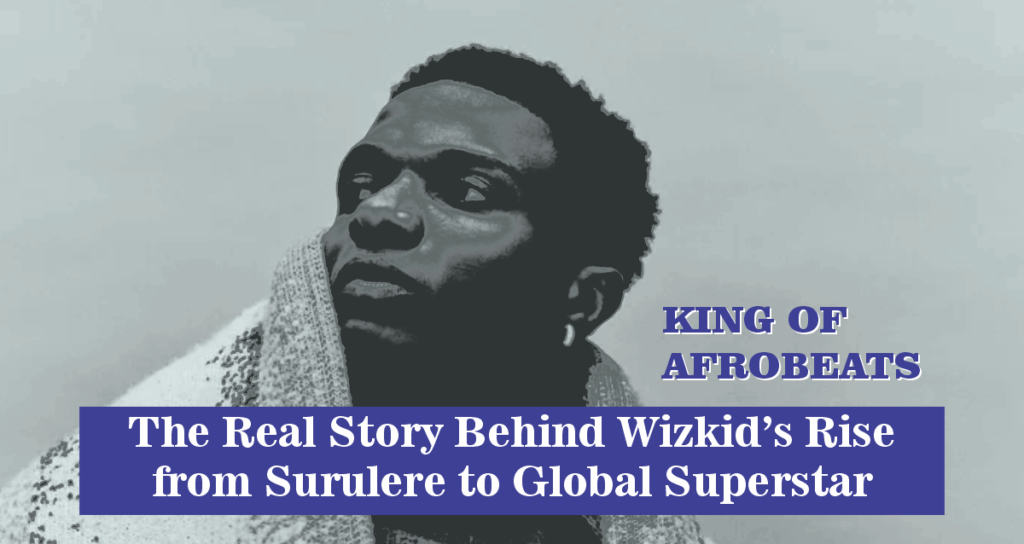
This “Overnight Success” Story? Yeah… Not Even Close
Let’s be honest, people love the idea that someone just blew up out of nowhere. It’s a cleaner story. Easier to sell.
But with Wizkid? That version is almost insulting.
By the time the world started throwing around “King of Afrobeats,” he had already put in years of work, taken industry hits, rebuilt himself, and quietly figured out how to move on a global level without losing his Lagos core.
This wasn’t luck. It was patience. And timing. And a lot of smart decisions that didn’t look flashy at the time.
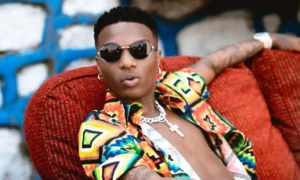
HISTORY – Surulere, Hustle, and Figuring It Out
Before the private jets and sold-out arenas, there was Surulere. Loud, chaotic, creative, the kind of place that either sharpens you or swallows you.
That’s where Wizkid (Ayodeji Ibrahim Balogun) started soaking in everything church music, Nigerian pop, a little R&B here and there. Nothing fancy. Just vibes and curiosity.
He wasn’t some industry plant. He was recording in those rough studios where NEPA could interrupt your session mid-verse. If you know, you know.
Then came Banky W and honestly, that’s where things got structured. Not easier, just clearer. Banky W gave him access, direction, and a system that most upcoming artists never get.
When “Holla at Your Boy” dropped in 2010, it wasn’t just a hit, it felt like a shift. Like, okay… this guy is different.
But success brings drama. Always.
By 2014, the split from E.M.E wasn’t pretty. And if you were paying attention back then, you probably wondered if he’d just fumbled the bag.
He didn’t.
He just bet on himself, and that’s where the real story starts.
ALSO READ: When Brothers Go to War: The Real Story Behind Wizkid vs Burna Boy
THE PEOPLE AROUND HIM – Because Nobody Does This Alone
Let’s kill the “self-made” myth real quick. Wizkid didn’t rise in isolation. There were key players – some obvious, some underrated.
Banky W – The Starter Pack
Banky W basically helped turn raw talent into a career. But like most mentor-artist relationships, there came a point where Wizkid needed more space than structure.
That split? Messy, yes. Necessary? Also yes.
Skepta – The UK Plug
Skepta didn’t just collaborate, he helped translate Wizkid’s sound for a different audience. The UK wave mattered more than people admit.
That was one of the first real signs that this thing could go global.
Drake – The Cheat Code Moment
“One Dance” in 2016? Game changer.
Not because Wizkid needed validation, but because it forced the Western mainstream to pay attention.
And here’s the key part: he didn’t sound like a guest. He sounded essential.
Burna Boy & Davido – The Competitive Energy
Let’s not pretend this isn’t a thing.
These three have been pushing each other for years – sometimes directly, sometimes silently. Different styles, different personalities, same goal: dominance.
And competition like that? It sharpens everybody.
The Producers (Real MVPs)
People like Sarz and P2J helped shape that clean, minimal, globally friendly sound Wizkid is known for now.
It sounds effortless. It’s not.
THE PATTERN – This Was Bigger Than One Artist
Here’s where it gets interesting.
Wizkid didn’t just ride the Afrobeats wave. He helped define how it travels.
Back in the day, legends like Fela Kuti had global respect, but not global infrastructure. No streaming. No algorithm pushing your song into someone’s playlist in Sweden at 2am.
Now? Different game.
Streaming, social media, collaborations – everything lined up at the right time.
And instead of chasing Western approval, Wizkid did something smarter: he stayed himself and let the world adjust.
Projects like “Sounds from the Other Side” and “Made in Lagos” didn’t water anything down. If anything, they made Afrobeats feel more refined, more intentional.
That’s a hard balance. Most artists mess it up.
WHAT IT REALLY MEANS – This Is Bigger Than Music
Calling Wizkid the “King of Afrobeats” is always going to start arguments (you know how Twitter is).
But the bigger picture? That’s not even debatable anymore.
Afrobeats Isn’t “Coming Up” – It’s Already Here
Festivals. Charts. Clubs. Everywhere.
This isn’t a niche anymore. It’s part of global pop culture now.
Lagos Is the Blueprint
There was a time when everything had to pass through London or New York to matter. Not anymore.
Lagos is loud, influential, and unapologetically creative, and Wizkid carries that with him everywhere.
Quiet Power Is Still Power
Wizkid isn’t the loudest celebrity. He’s not online explaining himself every five minutes.
And somehow… that works even more.
You feel his presence without him forcing it. That’s rare.
WHAT’S NEXT – Because This Story Isn’t Finished
Now comes the tricky part: staying on top.
He could go bigger globally, more unexpected collaborations, new markets.
He could lean into leadership helping shape the next generation.
Or he could just keep doing what he does best: dropping music when he feels like it and letting everyone else catch up.
But let’s be real Afrobeats is getting crowded. Everybody’s outside now. And when a sound gets hot, it also gets… repetitive.
Wizkid’s biggest advantage? He doesn’t flood the market. He disappears, then returns like nothing changed.
That restraint might be the reason he lasts longer than most.
The Part People Don’t Say Out Loud
I remember hearing “Ojuelegba” for the first time in a random car ride, one of those Lagos nights where traffic isn’t moving but nobody really cares.
The song just… sat with you. No rush. No noise. Just feeling.
That’s kind of Wizkid’s whole thing.
He doesn’t chase the moment. He lets the moment come to him.
And honestly?
That’s probably why he’s still here, while a lot of others came, made noise, and quietly faded out.


💬 Comments 2