Thousands protest in Culiacán demanding end to Sinaloa cartel violence after 2026 faction feud
Background: a city caught in a cartel civil war
Culiacán, the capital of Sinaloa state, has long been the headquarters of the Sinaloa cartel, a network that once operated under a single leadership hierarchy. In early 2026 a power struggle erupted when two senior lieutenants split over control of drug‑smuggling routes to the United States, creating rival factions that now battle for territory, revenue and influence.
The split has turned the city into a battlefield, with gunfights, roadblocks and public executions reported daily. Official figures from the state police show a 73 % rise in homicide rates between January and August 2026, while hospitals in the city report that trauma admissions have doubled compared with the same period last year.
The protests: thousands take to the streets
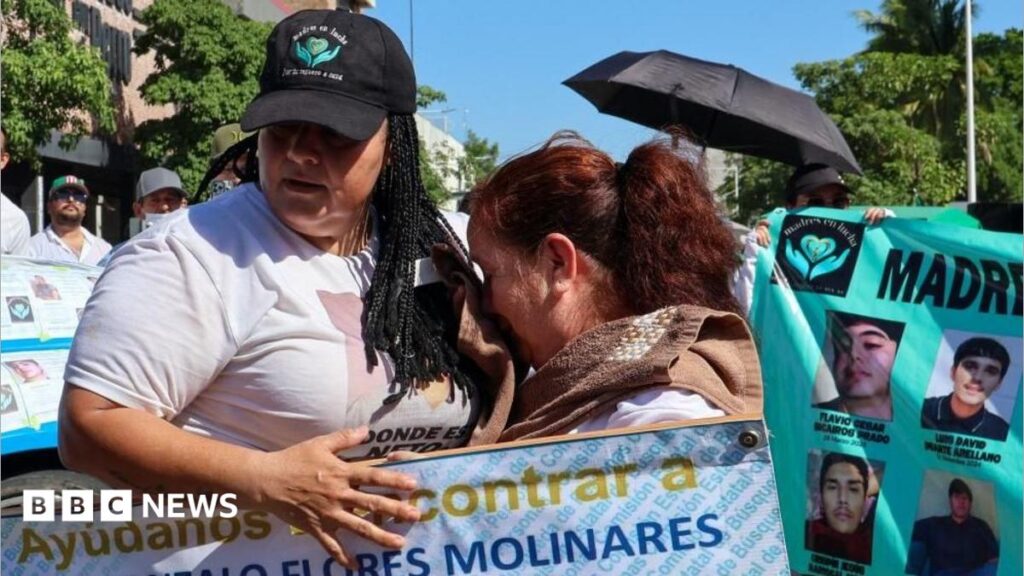
On September 14, more than 5,000 residents gathered in Culiacán’s central plaza, waving banners that read “Basta de violencia” and chanting for the government to restore order. Organisers, a coalition of neighbourhood committees and local NGOs, said the demonstration was the largest since the 2018 cartel‑related riots that forced the governor to declare a state of emergency.
Protesters demanded three concrete actions: the immediate deployment of federal security forces, an independent investigation into alleged collusion between police and cartel members, and the creation of community safety councils that would give citizens a voice in security decisions. The march ended peacefully after authorities promised to review the security plan within 48 hours.
Why the violence matters beyond Mexico’s borders
The surge in bloodshed in Culiacán reverberates across the Americas because the Sinaloa cartel controls a substantial share of the cocaine and methamphetamine pipelines that also touch West Africa. According to a 2025 United Nations Office on Drugs and Crime (UNODC) report, up to 30 % of West African cocaine shipments are routed through Mexican ports before reaching European markets, linking Mexican cartel turbulence directly to African drug‑trade dynamics.
In addition, the violence has forced a wave of internal displacement that includes a growing number of Mexican migrants heading north through the United States and, increasingly, seeking asylum in European countries with sizeable African diaspora communities. The displacement pressures already‑strained immigration systems and fuels xenophobic rhetoric that can affect African migrants living in the same host societies.
A broader pattern: cartel fragmentation and African organized crime
The fragmentation of the Sinaloa cartel mirrors a trend seen in several African nations where drug‑trafficking syndicates are splintering after the arrest or death of key leaders. In Nigeria’s Niger Delta, for example, the rise of rival oil‑theft militias since 2022 has led to a surge in gun violence that resembles the Mexican scenario, prompting scholars to warn of a “global cascade” of organized‑crime splintering.
Researchers at the African Centre for the Study of Organized Crime note that both regions share common drivers: weak state capacity, lucrative illicit markets, and the ability of criminal groups to embed themselves in local economies. Understanding the Mexican case therefore offers African policymakers a cautionary template for pre‑empting similar breakdowns in their own drug‑trafficking networks.
Reactions: government, civil society and international observers
President Miguel Alvarez, speaking from Mexico City, pledged a “total overhaul” of security in Sinaloa, citing the protests as a “wake‑up call” for the federal government. He announced that the National Guard would receive an additional 2,000 troops for Culiacán, a move criticised by human‑rights groups who fear a repeat of past heavy‑handed operations that resulted in civilian casualties.
International bodies have also weighed in. The Inter‑American Commission on Human Rights issued a statement urging Mexico to protect the right to peaceful assembly, while the United States Department of State warned that escalating cartel violence could jeopardise the bilateral trade agreement signed in 2023, which includes provisions on security cooperation.
What’s next: possible paths forward and African implications
Experts say the next few weeks will determine whether the protests translate into lasting policy change. If the federal government adopts a community‑based security model—similar to the “peace committees” that have shown modest success in Colombia’s Medellín—it could reduce the reliance on militarised tactics and open space for civil‑society monitoring.
For African stakeholders, the key takeaway is the need to diversify drug‑trafficking routes and strengthen regional law‑enforcement cooperation. The African Union’s recent plan to create a joint anti‑narcotics task force could benefit from lessons learned in Mexico, especially the importance of addressing the social roots of cartel recruitment, such as poverty and lack of legitimate employment.
Quick Answers
Why are people protesting in Culiacán in 2026?
Residents are demanding an end to the surge in cartel‑related violence after a feud split the Sinaloa cartel into rival factions.
How does Mexican cartel violence affect Africa?
The Sinaloa cartel’s control of cocaine routes that pass through West Africa means Mexican instability can disrupt African drug‑trade flows and influence migration patterns.
What steps is the Mexican government taking after the protests?
President Miguel Alvarez announced the deployment of 2,000 additional National Guard troops to Culiacán and promised a review of security policies within 48 hours.
Source: www.bbc.co.uk




💬 Comments 0