Toxic Smog Over Southeast Asia 2026: Who’s to Blame for Indonesia’s Land‑Burning Crisis?
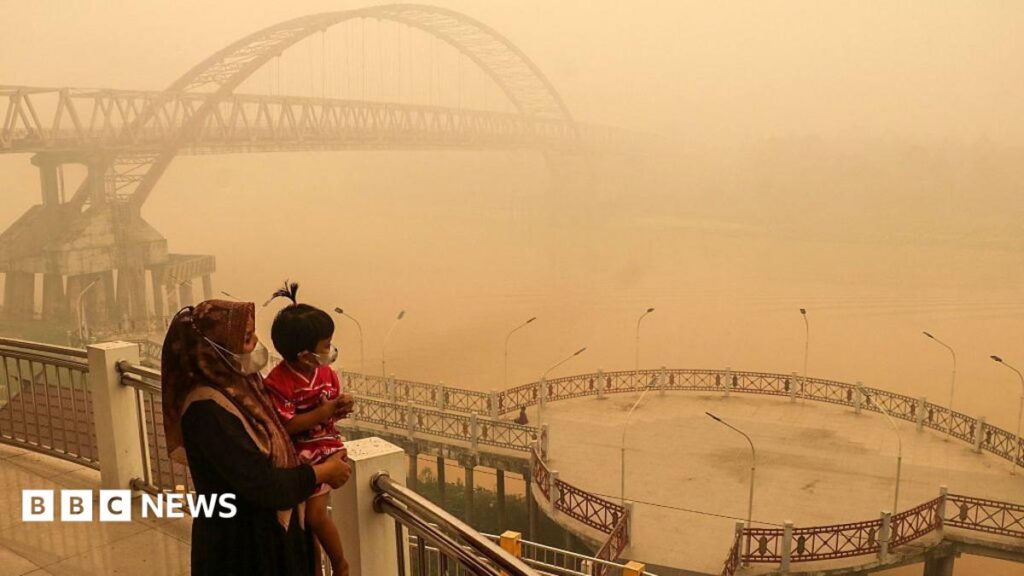
Background: A haze season that turned deadly
Every year, the dry months in Indonesia bring a wave of smoke that drifts across Malaysia, Singapore, Thailand and even as far as the Philippines. In 2026 the haze reached unprecedented levels, with Air Quality Index (AQI) readings above 300 in Kuala Lumpur and Singapore’s Changi Airport reporting visibility under 100 metres for weeks. The health toll is stark: hospitals in the region have logged a 40 % rise in respiratory admissions, and the World Health Organization estimates that the smog has shortened lives by roughly 1.2 million years across the affected populations.
The root cause is not a natural forest fire but a deliberate practice known as slash‑and‑burn. Large‑scale agribusinesses clear hectares of peatland and secondary forest to plant oil palm, pulpwood or rubber. Peat, when dried, burns for weeks underground, releasing carbon‑rich smoke that is difficult to extinguish. Satellite imagery from the European Space Agency shows a 30 % surge in fire hotspots in Indonesia’s Riau and Jambi provinces between June and August 2026.
Corporate culpability and weak enforcement
Investigations by environmental NGOs such as Greenpeace and the Indonesian Forum for the Environment have named several multinational conglomerates—most prominently PT Astra Agro Lestari and Sinar Mas Group—as the owners of the parcels where the biggest fires ignited. These firms have long been accused of paying local contractors only a fraction of the market rate for land‑clearing, creating a perverse incentive to cut costs by setting fire to vegetation.
Indonesia’s Ministry of Environment and Forestry has a legal framework that bans open‑burning on peatland, yet enforcement has been sporadic. According to a report by the Jakarta Post, only 12 % of the 1,200 fire‑related violations recorded in 2025 resulted in fines, and most penalties were under US$5,000—insufficient to deter large corporations. The lack of political will is compounded by the fact that many of the companies involved are major contributors to the national economy, employing millions and generating billions in export revenue.
Why the haze matters far beyond Indonesia
The smog is not merely a regional inconvenience; it is a climate‑change accelerant. Peat fires release up to 5 times more carbon dioxide per hectare than typical forest fires, undermining Indonesia’s pledge to keep the rise in global temperature below 1.5 °C. The 2026 haze episode alone emitted an estimated 200 million tonnes of CO₂, according to a study by the Climate Action Tracker.
Economically, the haze has cost Southeast Asian economies an estimated US$5 billion in lost productivity, tourism revenue and healthcare expenses. Airlines have canceled hundreds of flights, and supply‑chain disruptions have delayed shipments of electronics and apparel that are largely manufactured in the region. The ripple effect reaches global markets, affecting investors who hold stakes in Indonesian agribusinesses listed on the Jakarta Stock Exchange.
African ties: investors, markets and shared challenges
African investors are not strangers to Indonesia’s palm‑oil sector. Several sovereign wealth funds from Nigeria and Kenya have allocated capital to joint‑venture projects with the same companies now under fire for the 2026 haze. The controversy therefore raises questions about the environmental, social and governance (ESG) standards of African‑linked portfolios. A recent briefing by the African Development Bank warned that exposure to high‑risk agribusinesses could jeopardise future green‑bond issuances for the continent.
Beyond finance, the haze echoes similar transboundary pollution problems in Africa, notably the recurring smoke from forest clearing in the Congo Basin. Both regions grapple with weak enforcement, lucrative export markets, and the clash between economic development and climate stewardship. African NGOs are using the Southeast Asian episode as a case study to lobby their governments for stricter regulation of peat and forest exploitation within the continent.
What’s next: policy shifts, legal battles and citizen action
In response to mounting pressure, Indonesia’s president announced a “Zero‑Burn” initiative in September 2026, pledging to increase fire‑monitoring drones and impose fines up to US$50,000 for repeat offenders. The plan also includes a $1 billion fund to restore degraded peatlands, financed partly by a consortium of Asian development banks. Critics argue that the timeline is too short and that the funding mechanisms lack transparency.
Legal action is already brewing. Environmental groups have filed a class‑action lawsuit in Singapore’s High Court against PT Astra Agro Lestari, seeking compensation for health damages suffered by Singaporean citizens. Meanwhile, activists in Malaysia have organized a cross‑border “Clean Air” campaign that uses social media hashtags to pressure multinational buyers to adopt a no‑burn procurement policy. The outcome of these efforts could set precedents for how multinational supply chains are held accountable for environmental harm.
Quick Answers
What caused the 2026 toxic smog over Southeast Asia?
The smog was caused by large‑scale slash‑and‑burn land clearing on Indonesia’s peatlands, primarily for oil‑palm and rubber plantations.
How does the haze affect African investors?
African sovereign funds and private investors with stakes in Indonesian agribusinesses may face ESG‑related risks, potentially affecting future green‑bond ratings and investment attractiveness.
What measures is Indonesia taking to stop future fires?
Indonesia announced a “Zero‑Burn” policy, boosting drone surveillance, raising fines for violations, and allocating $1 billion for peatland restoration.
Source: www.bbc.co.uk




💬 Comments 0