Trafalgar Square Christmas Tree Felled in Norway: 21‑Metre Spruce Symbolises WWII Gratitude
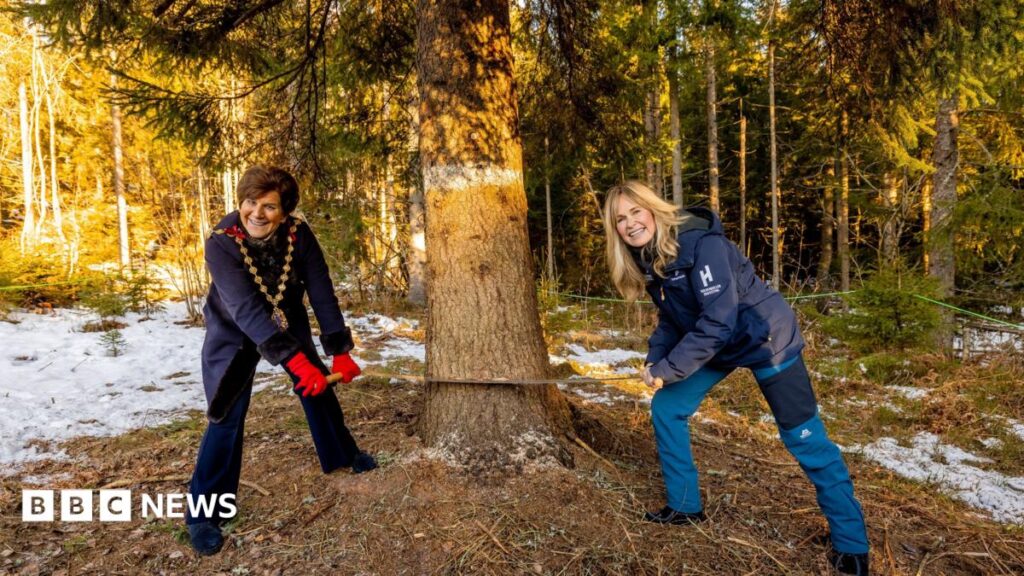
A wartime thank‑you that became a London staple
Every December, a towering evergreen is hauled from the forests of Norway to stand in the heart of London’s Trafalgar Square. The practice began in 1947, when the Norwegian government presented Britain with a tree as a token of gratitude for the support it received during the Second World War, especially the shelter offered to the Norwegian royal family and government-in-exile.
Over the decades the ceremony has evolved into a public spectacle, complete with a wreath‑laying by the British monarch, a brass band, and a crowd of onlookers bundled against the winter chill. The tree has become more than a decorative element; it is a living reminder of a shared history that still resonates in diplomatic circles and everyday conversation alike.
For Londoners, the tree signals the start of the festive season, prompting a surge in foot traffic to the square, a spike in nearby café sales, and a flurry of social‑media posts. Its presence also offers a moment of pause for tourists, many of whom are drawn to the city’s historic landmarks and seek out this seasonal highlight.
This year’s gift: a 21‑metre Norwegian spruce
The 2026 tree, a 21‑metre (about 69‑foot) spruce harvested from the Østlandet region, was selected after a rigorous assessment by Oslo’s municipal foresters. They looked for a specimen that combined height, structural integrity and a healthy, deep green colour—qualities that help the tree withstand the often harsh December weather in London.
According to Oslo’s environmental office, the tree was grown in a sustainably managed forest, with the logging operation certified under the Forest Stewardship Council (FSC). The cut was logged in early October, then shipped via a specialised container to the Port of London, where it arrived on 12 December.
The logistics of moving a tree of this size are complex. A team of engineers and arborists from both Norway and the UK coordinate the loading, sea‑transport, and final placement, ensuring the roots stay moist and the branches are secured to avoid damage during the journey.
Why the tree still matters to Britain and Norway
Beyond its visual impact, the tree serves as a diplomatic gesture that reinforces the post‑war bond between the two nations. In recent years, the United Kingdom and Norway have deepened cooperation on energy, fisheries and Arctic policy; the annual tree ceremony offers a soft‑power complement to those high‑level talks.
The event also provides a platform for cultural exchange. In 2022, for instance, a Norwegian folk choir performed alongside London’s own community choirs, and in 2024 a joint art installation highlighted the shared maritime heritage of the North Sea. Such collaborations underscore how a simple evergreen can spark broader conversations about trade, security and climate action.
For the Norwegian diaspora in the UK—estimated at over 30,000 people—the tree is a source of pride. Community groups often organise meet‑ups around the square, using the occasion to showcase Norwegian cuisine, language lessons and winter traditions to a multicultural audience.
Broader implications: tourism, climate and supply‑chain lessons
The tree’s arrival is a boon for the local economy. Retailers in the West End report a 12 % increase in sales of winter apparel and gifts during the week the tree is lit, while nearby hotels see higher occupancy as visitors flock to the square for the ceremony and subsequent photo‑ops.
At the same time, the process highlights the growing pressure on timber supply chains. Climate‑related disruptions—such as unusually warm winters in Scandinavia—have forced foresters to adapt planting schedules and select more resilient species. The FSC certification mentioned earlier reflects a broader industry shift toward traceable, low‑impact sourcing, a trend that African timber exporters are watching closely as they seek access to European markets.
Finally, the spectacle underscores how public spaces can act as stages for inclusive storytelling. In London’s increasingly diverse boroughs, the tree ceremony now attracts families from African, Caribbean and South Asian backgrounds, many of whom incorporate their own holiday customs into the celebration. This blending of traditions illustrates a larger pattern of multicultural participation in historically Eurocentric rituals.
What comes next: future of the tradition and its African connections
Looking ahead, officials from both Oslo and the UK are already discussing ways to make the ceremony more sustainable. Proposals include carbon‑offsetting the transport, using renewable‑energy‑powered lighting and even exploring the use of a recycled wooden frame to reduce the need for fresh timber each year.
African interest in the event is emerging in subtle but meaningful ways. Nigerian‑British artists have been invited to design temporary installations around the tree, and a Lagos‑based fashion label recently showcased a winter‑themed collection inspired by the spruce’s silhouette during a pop‑up near the square. These collaborations hint at a growing recognition that the tree can serve as a canvas for pan‑continental creativity.
For the diaspora, the ceremony remains a moment of shared visibility. Community leaders say the tree’s lighting ceremony offers an opportunity to highlight issues that affect African migrants in the UK—such as housing affordability and access to public services—by attaching a brief statement or banner to the surrounding fence, ensuring that their voices are part of the city’s festive narrative.
Quick Answers
Who provides the Trafalgar Square Christmas tree each year?
The city of Oslo, Norway, gifts the tree to London as a thank‑you for wartime support.
Why is the 2026 tree 21 metres tall?
Foresters chose a 21‑metre spruce for its height, health and ability to endure London’s winter weather.
How does the tree ceremony affect UK‑Norway relations?
It acts as a symbolic reminder of historic ties and provides a public platform for cultural and diplomatic cooperation.
Source: www.bbc.co.uk




💬 Comments 0