Trump Claims Direct Talks With Iran: Is US Diplomacy Re‑igniting War Resolution?
Background: The US‑Iran Diplomatic Rollercoaster
The United States and Iran have exchanged diplomatic gestures and hostilities for decades, with the 2015 Joint Comprehensive Plan of Action (JCPOA) marking the high point of cooperation. The Trump administration pulled the US out of the deal in 2018, re‑imposing sanctions that tightened Iran’s economic constraints. Since then, the Biden team has sought to revive the JCPOA, negotiating a phased lifting of sanctions in exchange for Iran’s nuclear restrictions. The idea of a “war” in the region is a misnomer; most of the conflict revolves around nuclear ambitions and sanctions rather than armed skirmishes. Trump’s recent claim of “direct talks” with Iranian officials therefore represents a potential pivot in a long‑stalled diplomatic saga.
What’s Being Said: Trump’s Claim and Its Context
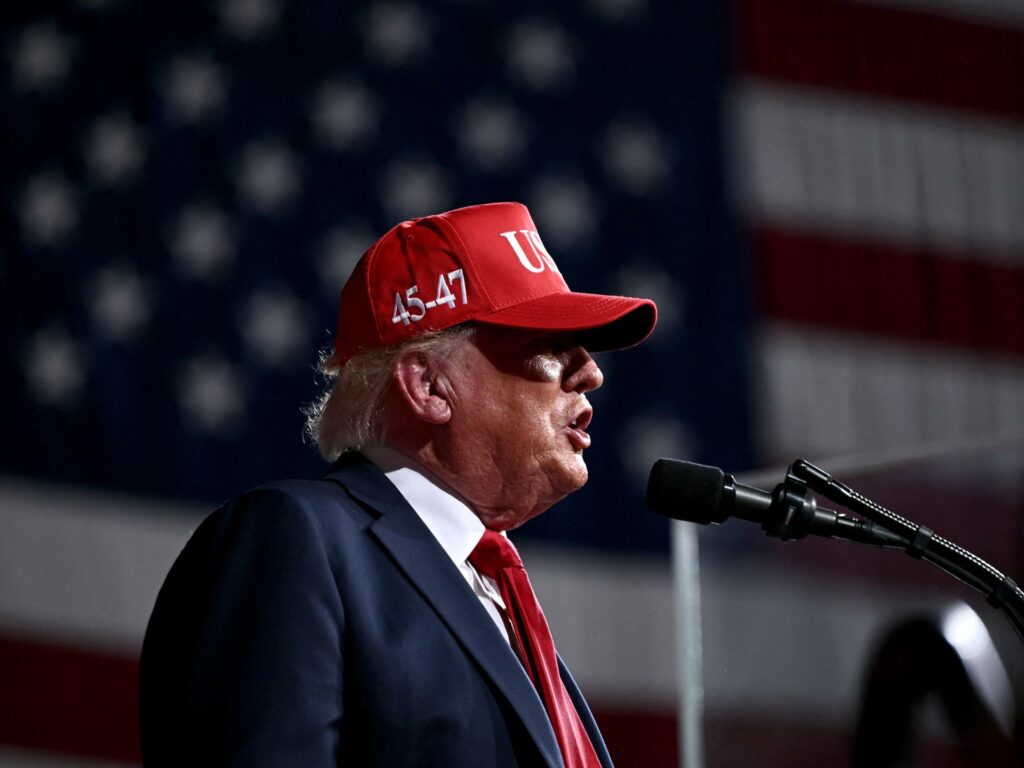
In a recent interview, former President Donald Trump asserted that he had engaged in direct conversations with Iranian leadership, a statement that has not been corroborated by any official US or Iranian source. Trump, who has long positioned himself as a negotiator, said the talks were aimed at ending what he describes as a ‘war’ between the US and Iran. The statement came amid rising global oil prices, a factor that has amplified concerns about energy security worldwide. No record of these conversations exists in the public domain, and the Biden administration has denied any new direct engagement with Iran at this time. Thus, the claim remains an unverified assertion that could influence public perception and policy debates.
Why It Matters: Global Energy Markets and African Economies
High oil prices have a direct knock‑on effect on African importers, especially oil‑dependent economies such as Nigeria, Angola, and the Democratic Republic of Congo. Increases in fuel costs raise inflation, reduce disposable income, and can slow infrastructure development projects across the continent. A potential easing of US sanctions on Iran could stabilize global oil supply, potentially lowering prices and easing the burden on African importers. However, the relationship between diplomatic talks and market movements is complex; even a brief diplomatic freeze can trigger volatility in oil futures. For African economies, the stakes are high: a sustained rise in energy costs could undermine the economic gains from recent commodity price recoveries.
Reactions: From Washington, Tehran, and African Stakeholders
The Biden administration has issued a brief statement that it is focused on diplomatic engagement but has not acknowledged Trump’s claim. Iranian officials, for their part, have not commented on any direct contact with Trump, and the Iranian foreign ministry’s silence suggests no official acknowledgement. African trade ministries have expressed concern over the volatility of oil prices and have called for greater transparency in US‑Iran negotiations. Nigerian lawmakers, for example, have urged the government to negotiate for lower fuel prices to protect the middle class. Meanwhile, diaspora communities in the US are watching closely, as any change in oil prices could impact remittances and local businesses that rely on imported goods.
What’s Next: Policy Shifts, Public Opinion, and the Diaspora
If Trump’s claim were to translate into real diplomatic action, the Biden administration would face the challenge of reconciling its policy objectives with a former president’s narrative. A renewed engagement could accelerate the lifting of sanctions, potentially leading to a re‑entry of Iran into the global economy, which would have ripple effects on the global supply chain. For the diaspora, particularly African communities in the United States, such a shift could influence the cost of living and the economic prospects of families who depend on remittances. In the longer term, a successful diplomatic resolution could pave the way for a more stable geopolitical environment, reducing the risk of regional conflict and benefiting global trade. Nonetheless, the path to a lasting agreement remains fraught with domestic political pressures and international scrutiny.
Quick Answers
Did Trump actually have direct talks with Iranian officials?
Trump’s claim has not been confirmed by any official US or Iranian source, and no public record of such conversations exists.
How could a US‑Iran diplomatic breakthrough affect African oil prices?
Easing sanctions could stabilize global oil supply, potentially lowering prices and easing import costs for oil‑dependent African economies.
Why is the term ‘war’ used in discussions about US‑Iran relations?
The term is often a misnomer; the conflict mainly involves nuclear negotiations and sanctions rather than active military conflict.
Source: www.aljazeera.com


💬 Comments 0