Trump invites Michigan Democrat Haley Stevens to GOP, cites her backing of Mike Rogers
Background: Who is Haley Stevens and why she matters
Haley Stevens, a 36‑year‑old former investment banker, won a seat in the U.S. House representing Michigan’s 11th district in 2022. The district, anchored by the Detroit suburbs, is a micro‑cosm of the Midwest’s shifting electorate, blending white‑collar professionals, union members, and a growing community of African immigrants. Stevens has built a reputation as a pragmatic centrist, voting with the Democratic caucus on most issues but occasionally breaking ranks on trade and technology policy.
President Donald Trump, who left office in January 2025, has been rebuilding his political brand ahead of a potential 2028 presidential run. Since his return to the national stage, Trump has repeatedly highlighted swing‑state Democrats who have crossed party lines, using them as proof that the GOP can appeal beyond its traditional base. Stevens’ recent endorsement of Republican Rep. Mike Rogers for Michigan’s open Senate seat placed her squarely in that narrative.
The invitation: What Trump actually said
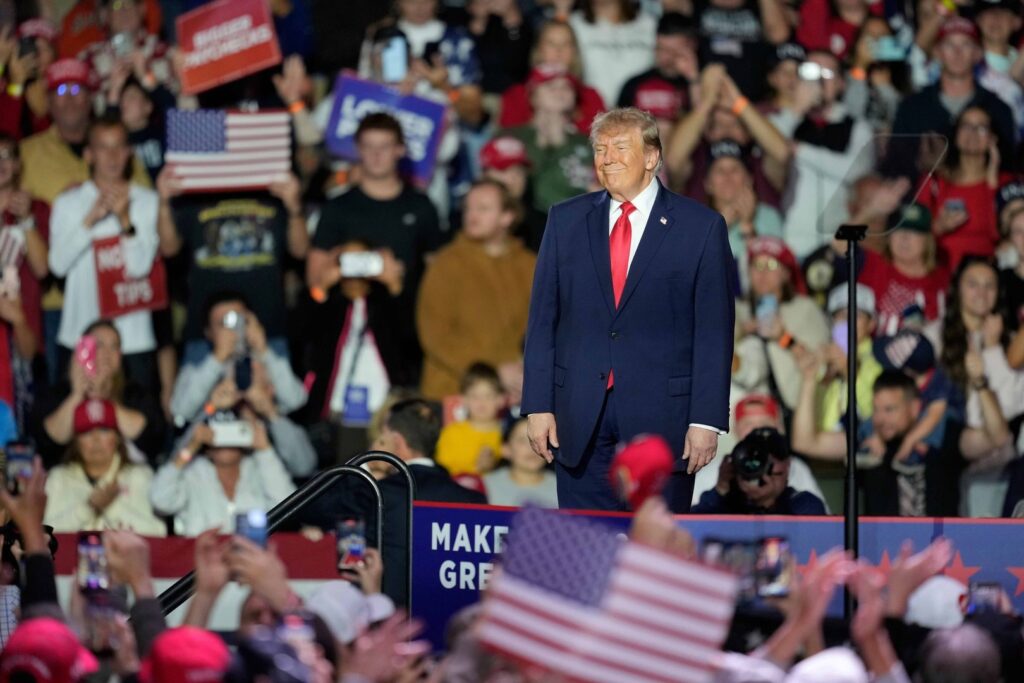
During a rally in Grand Rapids on November 1, Trump praised Stevens for “standing up for Michigan” and announced that she was “welcome to join the Republican Party whenever she feels ready.” He framed the invitation as a testament to the “big‑tent” nature of his movement, arguing that Republicans could win back the Midwest by courting moderate Democrats who are “tired of the radical left.”
The remark was captured on video and quickly circulated on social media, prompting a flurry of commentary. Trump’s team later released a brief statement saying the invitation was “an open door, not a demand,” and that Stevens could “help shape a new, common‑sense GOP.” No formal outreach beyond the public comment has been confirmed.
Political calculus: Why Michigan is a prize for the GOP
Michigan has been a bellwether state since 2008, swinging between parties in every presidential election. Analysts note that the 2026 midterms saw Republicans regain a slim majority in the state’s delegation, but Democrats still hold key suburban districts, including Stevens’s. By highlighting a Democrat who backed a Republican Senate candidate, Trump is signaling that the GOP can erode the Democratic foothold in these swing districts ahead of the 2028 presidential contest.
Political scientists at the University of Michigan’s Institute for Public Policy argue that targeting individual Democrats is a strategic move to create a perception of a “big‑tent” coalition, which could attract independent voters and disaffected Democrats. The hope is that a high‑profile conversion would generate media momentum that outweighs the modest numerical gain of one seat.
African diaspora angle: How the move resonates in Michigan’s immigrant communities
Michigan hosts one of the nation’s largest African immigrant populations, with sizable communities from Nigeria, Ethiopia, Somalia, and Ghana concentrated in Detroit, Dearborn, and Lansing. These groups have become an increasingly important voting bloc, often leaning Democratic because of the party’s stance on immigration, education funding, and foreign aid to Africa.
If Stevens were to switch parties, it could send mixed signals to these voters. On one hand, a Democrat‑to‑Republican shift might be read as a validation of Republican outreach to African‑origin constituents, especially if the GOP promises to protect small‑business visas and maintain aid programs for the continent. On the other hand, many diaspora leaders have warned that the Republican platform under Trump has historically been less supportive of African development initiatives, citing cuts to USAID and trade policies that hurt African exporters. The invitation therefore forces the community to weigh local political pragmatism against broader foreign‑policy concerns.
Reactions: From Capitol Hill to community halls
Democratic leadership in the House issued a brief rebuke, with Majority Leader Hakeem Jeffries calling the invitation “a political stunt that undermines the trust of voters who elected Representative Stevens.” Stevens’s office, however, declined to comment on the invitation, stating only that she remains focused on serving her district.
Republican officials in Michigan welcomed the overture. State GOP chair Kristina Karamo said the move “shows that the party is finally listening to moderate voices.” Meanwhile, several African‑American and African immigrant advocacy groups organized town‑hall meetings to discuss the potential impact on immigration policy and U.S.–Africa relations, emphasizing that any party switch would need concrete commitments on issues like H‑1B visas and development aid.
What’s next: Possible scenarios and broader implications
If Stevens were to accept Trump’s invitation, the most immediate effect would be a symbolic boost for the GOP’s narrative of a “new coalition.” It could also trigger a domino effect, encouraging other moderate Democrats in swing districts to consider a party change, especially if the Republicans offer targeted policy incentives. However, political historian Dr. Lila Ahmed cautions that such individual switches rarely translate into lasting realignments without systemic changes to the party platform.
Beyond the 2028 election, the episode could influence U.S. policy toward Africa. A Republican‑led Congress with more African‑origin members might press for a renewed focus on trade agreements like the African Continental Free Trade Area (AfCFTA) and increased funding for health initiatives. Conversely, if the party’s outreach is perceived as superficial, it could alienate the diaspora and push African‑American voters even further toward the Democrats, reinforcing the current partisan divide on foreign aid and immigration.
Quick Answers
Did Haley Stevens accept Donald Trump's invitation to join the Republican Party?
No, Stevens has not publicly responded to the invitation and continues to serve as a Democratic representative.
Why is Michigan important for the 2028 U.S. presidential election?
Michigan is a swing state with a closely divided electorate, making it a key battleground for both parties in the 2028 race.
How could Trump’s overture to Stevens affect African immigrant voters in Michigan?
The move may force African immigrant communities to reassess their political alignment, weighing local representation against concerns over U.S. policies toward Africa.
Source: www.aljazeera.com



💬 Comments 0