Two Dead in 2026 Cappadocia Fairy Chimney Rock Collapse – Implications for Turkish Tourism
Background: Cappadocia’s Fragile Heritage
Cappadocia, a UNESCO‑listed region in central Turkey, is famed for its surreal volcanic formations called "fairy chimneys" that have been carved into homes, churches and hotels for centuries. The soft tuff rock, while visually striking, is inherently vulnerable to weathering, seismic activity and human footfall, a fact that local authorities have long warned about but struggled to manage amid soaring visitor numbers. In 2022, the Turkish Ministry of Culture announced a preservation plan that included limited access to the most delicate sites, yet the plan was only partially implemented because of budget constraints and the economic importance of tourism to the region.
Tourism accounts for roughly 30 % of Cappadocia’s regional GDP, with a steady influx of European, Middle‑Eastern and African travelers seeking hot‑air‑balloon rides and open‑air museums. The area’s popularity surged after the 2010s when social media influencers highlighted the landscape, turning the once‑quiet valleys into a global travel hotspot. This boom has intensified foot traffic around the rock formations, raising concerns among geologists that accelerated erosion could trigger sudden collapses, especially after heavy rains or temperature swings.
The Incident: What Happened on the Day
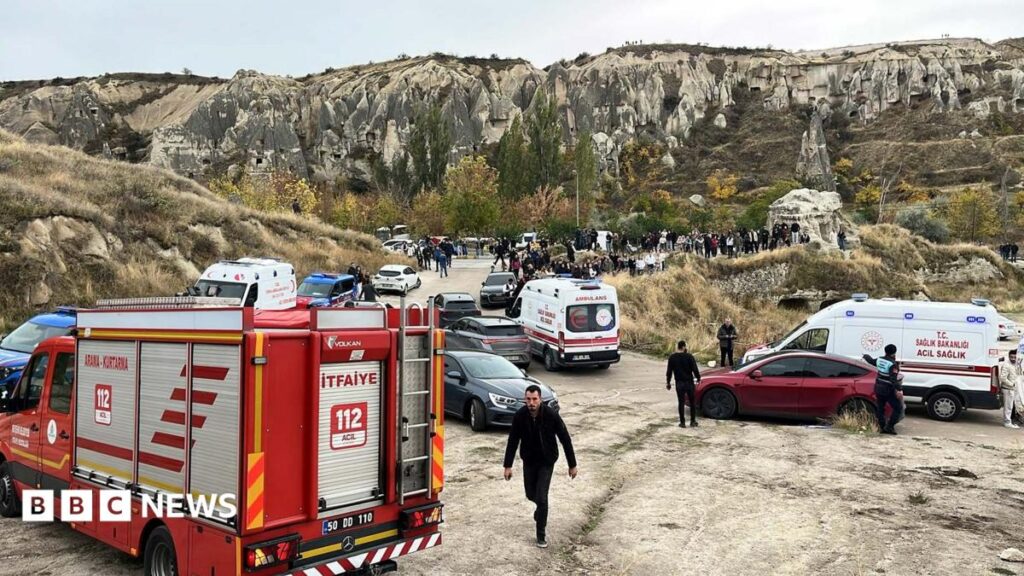
On the morning of 29 October 2026, witnesses reported a thunderous crack near the Göreme Open‑Air Museum, where a cluster of fairy chimneys had been a centerpiece for guided tours. According to local media, a 12‑metre‑high pillar gave way, sending boulders onto a nearby path. Two park employees, a guide and a maintenance worker, were caught in the debris and later pronounced dead at a regional hospital. Emergency responders struggled to reach the site because the collapse blocked the main access road, delaying rescue efforts by roughly thirty minutes.
Survivors described a sudden tremor that felt like a minor earthquake, followed by the roar of stone hitting the ground. The Turkish Disaster and Emergency Management Authority (AFAD) sealed off the area for investigation, while the Ministry of Culture announced a temporary suspension of tours around the affected sector. Preliminary statements from geologists suggest that a combination of heavy overnight rain and long‑term weathering weakened the internal structure of the chimney, making it prone to failure.
Safety Gaps and Climate Pressures
The tragedy has reignited a debate over the adequacy of safety protocols at Turkey’s natural heritage sites. Critics argue that risk assessments have not kept pace with the surge in visitor numbers, noting that many of the rock formations lack real‑time monitoring equipment such as strain gauges or micro‑seismic sensors. In a recent interview, a professor of geology at Ankara University warned that climate change is amplifying the problem: "More intense rainstorms and freeze‑thaw cycles are accelerating the erosion of tuff, turning what were once stable pillars into ticking time‑bombs," he said.
International tourism bodies have also pointed out that the current insurance framework for heritage sites is insufficient. According to a report by the World Travel & Tourism Council, only 18 % of heritage attractions in Turkey carry comprehensive liability coverage that includes natural‑hazard incidents. The lack of robust insurance not only endangers workers but also threatens the financial stability of operators who may face lawsuits or compensation claims after such events.
Ripple Effects for African Tourists and the Wider Market
African travelers, who have become an increasingly important segment of Cappadocia’s visitor base, may feel the impact most acutely. In 2025, tourists from Egypt, Nigeria, Kenya and South Africa accounted for roughly 12 % of total arrivals, a figure that tour operators attribute to targeted marketing campaigns and the rise of direct flights from major African hubs. Travel agencies in Lagos and Nairobi have already begun revising itineraries, adding safety briefings and alternative routes to avoid the newly restricted zones.
The incident could also affect the broader perception of Turkey as a safe destination for African diaspora families visiting relatives or on pilgrimage trips to Istanbul. A spokesperson for the African Union’s tourism committee warned that negative headlines risk “creating a narrative that deters African tourists, who already face higher travel costs and visa hurdles.” Moreover, local businesses that cater specifically to African guests—such as halal‑friendly restaurants and Arabic‑speaking guides—could see a dip in bookings if the region’s reputation suffers a prolonged blow.
Looking Ahead: Policy, Preservation and Travel Outlook
In response to the collapse, the Turkish government has pledged a €45 million funding package to install structural health‑monitoring systems across the most vulnerable sites in Cappadocia. Officials say the technology will provide early warnings of stress fractures, allowing authorities to close off areas before a failure occurs. The Ministry of Culture also plans to accelerate the long‑delayed “Cappadocia Preservation Act,” which would limit the number of daily visitors to high‑risk zones and require all tour operators to undergo safety certification.
For travelers, the episode serves as a reminder to verify that tour operators adhere to updated safety standards and to purchase travel insurance that covers natural‑disaster interruptions. Industry analysts predict that, once the monitoring infrastructure is in place, visitor confidence will rebound within 12‑18 months, especially as Turkey continues to market its unique heritage to African and Middle‑Eastern markets. In the meantime, the tragedy underscores the delicate balance between promoting tourism revenue and safeguarding the very landscapes that attract visitors from around the world.
Quick Answers
How many people died in the Cappadocia rock collapse?
Two park employees were killed when a fairy chimney collapsed on 29 October 2026.
Will the collapse affect African tourists visiting Cappadocia?
Yes, travel agencies are revising itineraries and adding safety briefings for African visitors, and the incident may temporarily reduce bookings from the continent.
What steps is Turkey taking to prevent similar accidents?
The government announced a €45 million program to install real‑time monitoring sensors and is fast‑tracking stricter visitor limits and tour‑operator certifications.
Source: www.bbc.co.uk



💬 Comments 0