Two Dead in Bolivia’s Viacha Military Barracks Blast, Officials Warn of Explosions 2026
Background: Bolivia’s military posture and recent unrest
Bolivia’s armed forces have been in the spotlight since the 2022 political crisis that saw a brief coup attempt and widespread protests. The army, traditionally seen as a stabilising institution, has since been tasked with reinforcing security around key infrastructure, including ammunition depots attached to barracks such as the one in Viacha, a city just outside La Paz.
Viacha houses the 2nd Infantry Regiment, which stores a sizable cache of munitions supplied by Russia and China over the past decade. Analysts note that the mix of ageing Soviet‑era stockpiles and newer Chinese rockets creates logistical challenges, especially in a country where regular maintenance budgets are thin.
What happened at the Viacha barracks on September 5
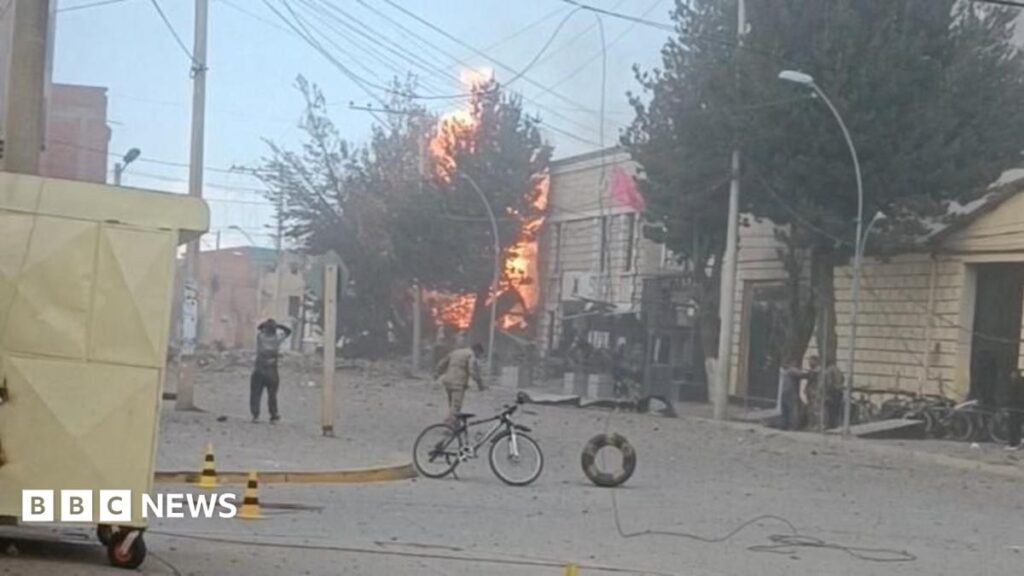
Early on Saturday morning, an explosion ripped through the western wing of the Viacha military base, sending a plume of black smoke over the town. Local emergency services confirmed at least two fatalities – a civilian contractor and a soldier – and dozens of injuries, though officials warned the death toll could rise as rescue teams continue to search for victims trapped under debris.
Authorities quickly cordoned off a three‑kilometre radius around the site, citing the risk of secondary blasts from remaining ammunition. The Ministry of Defense released a brief statement saying the blast was “likely the result of an accidental ignition of stored explosives” and that an investigative commission has been formed.
Why the incident matters beyond Bolivia’s borders
The Viacha blast underscores a broader pattern of accidental detonations at poorly maintained arms depots, a problem that afflicts many developing nations. In the past five years, similar incidents have occurred in Nigeria’s Niger State, the Democratic Republic of Congo’s Katanga province, and Ghana’s Ashanti region, each exposing gaps in safety protocols and training.
For the global arms market, the event raises questions about the quality of surplus munitions sold to Latin American militaries. Suppliers from Russia and China have faced criticism for providing older stock without adequate documentation on stability, a concern that resonates with African buyers who rely on the same channels for defense equipment.
African‑related implications: trade, diaspora and peacekeeping
Bolivia hosts a modest but growing African diaspora, mainly students and entrepreneurs from Nigeria, Ghana and Kenya. While the blast did not directly affect these communities, the heightened security alert has prompted local African embassies to advise their nationals to avoid the area and to stay in touch with consular services, reflecting a pattern seen after similar incidents in African host countries.
More substantively, the incident could influence future procurement decisions of African states that look to Latin America for cost‑effective arms. Nations such as Angola and Mozambique have explored joint training programmes with Bolivia’s army, and a safety scandal may make them reconsider partnerships that involve shared ammunition storage or joint exercises.
Finally, the United Nations peacekeeping mission in the region, which includes troops from several African countries, relies on the stability of nearby supply routes. An uncontrolled explosion near a major logistics hub could disrupt the flow of humanitarian aid destined for the Andes‑Amazon border, indirectly affecting African‑led contingents operating in the area.
Reactions and the road ahead: investigations, reforms and regional cooperation
President Luis Arce ordered an immediate forensic review of the blast, promising “full transparency” and the suspension of any further ammunition transfers until safety checks are completed. Opposition leader Carlos Mesa called the tragedy “a preventable disaster” and urged the legislature to pass stricter oversight of military depots.
International observers, including the Organization of American States, have offered technical assistance to bolster Bolivia’s explosive‑handling standards. Experts suggest that adopting the International Mine Action Standards (IMAS) – a framework already used by many African nations to manage legacy munitions – could reduce the likelihood of repeat incidents.
In the coming weeks, the Bolivian defense ministry plans to relocate the most volatile stockpiles to a newly constructed, climate‑controlled facility outside the capital. If successfully implemented, the move could serve as a model for other countries wrestling with aging arsenals, including several African states that face similar logistical hurdles.
Quick Answers
How many people were killed in the Viacha military barracks explosion?
At least two people – a civilian contractor and a soldier – died in the blast, according to Bolivian authorities.
What caused the explosion at the Viacha base?
Officials say the blast was likely triggered by an accidental ignition of stored explosives, though a full investigation is ongoing.
Will the Viacha incident affect African peacekeepers in Bolivia?
The explosion could disrupt supply routes used by UN peacekeeping missions that include African troops, prompting a review of logistics and safety protocols.
Source: www.bbc.co.uk

💬 Comments 0