Typhoon Dujuan 2026: Over 1.2 Million Evacuated as Japan Faces Record Storm Damage
Background: Dujuan’s rapid intensification and Japan’s warning system
Typhoon Dujuan, the strongest tropical cyclone of the 2026 Pacific season, formed on September 16 east of the Philippines before accelerating northward toward the Japanese archipelago. By the time it reached the East China Sea, satellite data showed sustained winds of 150 km/h and a central pressure of 945 hPa, qualifying it as a Category 2 typhoon on the Saffir‑Simpson scale. The Japan Meteorological Agency (JMA) issued an “imminent threat to life” alert on September 19, prompting prefectural governments to activate emergency protocols.
Japan’s disaster‑response framework, refined after the 2011 Tōhoku quake, relies on a tiered evacuation order system. When Dujuan’s trajectory shifted westward on September 20, the JMA downgraded the threat level in most coastal zones, but maintained high‑alert status for the Kanto and Kansai regions, where over 1.2 million residents were urged to seek shelter. The agency’s real‑time updates, broadcast on television and mobile alerts, helped keep the public informed despite the storm’s sudden changes.
Experts at the University of Tokyo’s Climate Research Center noted that Dujuan’s rapid intensification was fueled by unusually warm sea‑surface temperatures, a trend linked to the ongoing Pacific Decadal Oscillation shift. This meteorological backdrop set the stage for a storm that would test Japan’s preparedness and expose vulnerabilities in sectors ranging from logistics to tourism.
Immediate impact: evacuations, damage, and economic fallout
By the afternoon of September 21, more than 1.2 million people had moved into designated evacuation centers across Tokyo, Osaka, and surrounding prefectures. Local authorities reported that the majority of evacuees were elderly residents, a demographic that Japan has long struggled to protect during natural disasters. Emergency shelters were stocked with rice, bottled water, and portable power units, many of which were supplied by private companies under a public‑private partnership model.
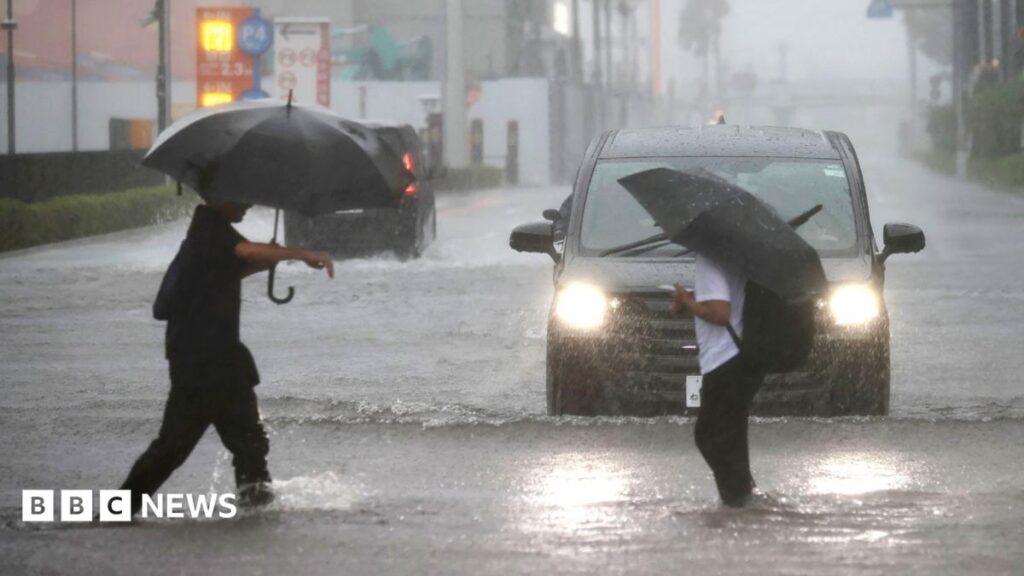
The storm’s strongest gusts battered the Kansai region, toppling trees, flooding low‑lying neighborhoods, and causing widespread power outages that affected an estimated 3.4 million households. Preliminary damage assessments from the Ministry of Land, Infrastructure, Transport and Tourism estimate direct economic losses at ¥1.3 trillion (about $9.5 billion), with the transportation and manufacturing sectors bearing the brunt. Ports in Osaka and Kobe reported delays that could ripple through global supply chains for weeks.
Insurance firms such as Tokio Marine have already begun processing claims, noting a surge in requests related to vehicle damage and home flooding. While the overall loss figure is still being refined, early estimates suggest that the insurance payout could exceed ¥300 billion, marking one of the costliest natural‑disaster events in Japan’s post‑war history.
Why it matters for Africa and the diaspora: supply chains, students, and climate finance
Japan is a key supplier of high‑tech components used in African telecommunications, automotive, and renewable‑energy projects. The temporary shutdown of Osaka’s port and the disruption of semiconductor factories in the Kansai region could delay shipments of printed‑circuit boards and solar‑panel inverters destined for markets in Kenya, Nigeria, and South Africa. Industry analysts at PwC Africa warn that even a two‑week bottleneck could push back the rollout of 5G infrastructure projects by up to 30 percent.
There are also approximately 12 000 African students enrolled in Japanese universities, many of whom are studying engineering, medicine, and environmental science. Universities in Tokyo and Kyoto activated emergency housing plans, relocating students to campus dormitories that were pre‑designated as safe zones. Student groups reported that the evacuation experience highlighted gaps in multilingual emergency communication, prompting calls for better language support in future alerts.
From a climate‑finance perspective, Dujuan underscores the need for stronger South‑South cooperation on disaster risk reduction. Japan’s experience with rapid evacuation and coordinated shelter management offers a model that African nations could adapt, especially as the continent faces an uptick in extreme weather events linked to climate change. The United Nations Office for Disaster Risk Reduction (UNDRR) cited Dujuan as a case study in its September briefing on “Learning from High‑Income Disaster Responses.”
Broader pattern: intensifying Pacific storms and parallels with African climate extremes
Scientists have observed that the frequency of Category 2‑plus typhoons in the Western Pacific has risen by roughly 15 percent over the past two decades, a shift attributed to rising ocean temperatures and altered wind shear patterns. This trend mirrors the increasing severity of heatwaves and flood events across Sub‑Saharan Africa, where the African Centre for Meteorological Applications for Development (ACMAD) reports a 12 percent rise in extreme rainfall incidents since 2000.
Both regions share a common vulnerability: densely populated coastal zones that host critical economic activity. In Japan, the Kanto corridor houses over 30 percent of the nation’s GDP; similarly, West Africa’s Gulf of Guinea coastline supports major ports like Lagos and Abidjan. The parallel underscores the urgency for integrated climate‑adaptation strategies that combine early‑warning technology, resilient infrastructure, and community‑based preparedness.
Policy analysts point out that while Japan benefits from a long‑standing culture of disaster drills and robust building codes, many African cities lack comparable enforcement mechanisms. The Dujuan episode could therefore serve as a catalyst for African policymakers to lobby for international technical assistance, particularly in the realm of real‑time satellite monitoring and mobile‑alert platforms.
What’s next: recovery, aid, and lessons for future resilience
The Japanese government has pledged ¥500 billion in emergency relief, allocating funds to rebuild damaged homes, restore power grids, and support small businesses in the hardest‑hit districts. International aid agencies, including the Red Cross and Japan International Cooperation Agency (JICA), are coordinating with local NGOs to distribute food and medical supplies. By early October, officials expect most evacuation centers to close, but many residents will remain displaced as reconstruction begins.
For African stakeholders, the immediate focus will be on monitoring supply‑chain disruptions and securing alternative sourcing where possible. Companies with operations in Japan are urged to activate contingency plans, such as rerouting shipments through South‑Korea or Taiwan, to mitigate the impact on African projects. Meanwhile, diaspora organizations in Tokyo are lobbying for a permanent multilingual emergency information portal, a demand that could set a precedent for other host countries with sizable African communities.
Long‑term, Dujuan reinforces the argument for greater investment in climate‑resilient infrastructure across the globe. Japan’s post‑disaster retrofits—like flood‑proofing subway stations and installing sea‑walls—offer a blueprint that African coastal cities could adapt with appropriate financing. As the world grapples with more frequent extreme weather, the exchange of best practices between Japan and African nations may become a cornerstone of a truly global disaster‑risk reduction agenda.
Quick Answers
How strong was Typhoon Dujuan when it hit Japan?
Dujuan reached sustained winds of about 150 km/h (Category 2) with a central pressure of 945 hPa as it made landfall.
How many people were evacuated during the typhoon?
Over 1.2 million residents were ordered to evacuate to shelters across the Kanto and Kansai regions.
What could the storm’s disruption mean for African businesses?
Delays at Japanese ports may postpone shipments of electronics and renewable‑energy components to Africa, potentially slowing 5G and solar projects by weeks.
Source: www.bbc.co.uk




💬 Comments 0