UN chief selection 2026: Eight candidates, hopeful Abiodun Olumide faces veto showdown
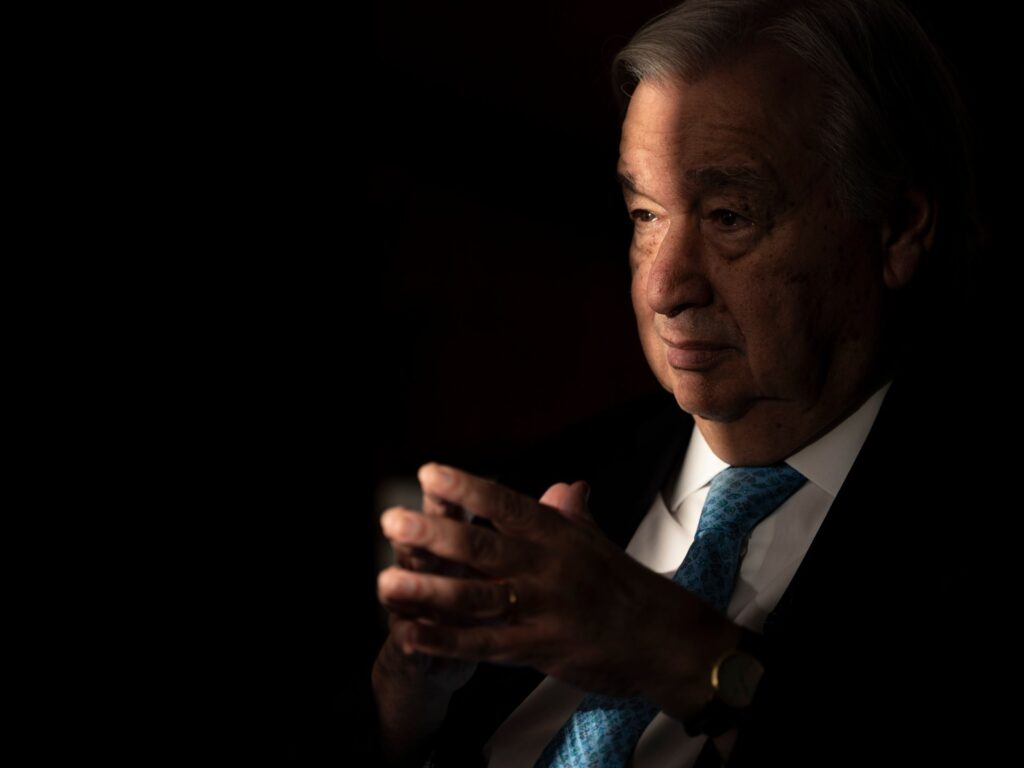
How the UN picks its top diplomat
The United Nations Secretary‑General is chosen through a two‑step process: the Security Council first recommends a single name, and then the General Assembly votes to appoint that person. The recommendation is decisive because any of the five permanent members—China, France, Russia, the United Kingdom and the United States—can block a candidate with a veto.
In practice, the Security Council conducts a series of informal straw polls to gauge support. Candidates who receive a “no” from a permanent member are typically withdrawn before a formal vote. The final recommendation is then presented to the 193‑member General Assembly, which traditionally rubber‑stamps the Council’s choice.
The rules were last overhauled in 2016 to increase transparency, allowing for more civil‑society input and a broader pool of contenders. Yet the core power dynamics remain unchanged: the veto remains the ultimate arbiter, and the Council’s internal negotiations are where the real battle unfolds.
The current field: eight hopefuls, no clear front‑runner
As of mid‑November 2026, eight individuals have formally entered the race for the UN chief’s post. The list includes seasoned diplomats, former heads of state, and senior UN officials, but none has yet secured a decisive lead in the latest straw polls released by the Security Council’s Secretariat.
Among the contenders is Nigeria’s former ambassador to the United Nations, Abiodun Olumide, who is widely regarded as the most prominent African candidate. Olumide’s résumé includes leading negotiations on peacekeeping reforms and chairing the African Union’s climate‑finance working group, credentials that resonate with many Global South delegations.
Other notable names include a former European Union foreign policy chief, a senior Chinese diplomat, a former UN peacekeeper commander from Canada, and a Latin American former president. The diversity of backgrounds reflects the UN’s attempt to balance geographic representation with the technical expertise needed for the role.
Why Africa and the Global South care about the outcome
The Secretary‑General sets the agenda for the UN’s 17 Sustainable Development Goals, and the office’s priorities often mirror the interests of the incumbent. For African nations, a leader who champions reform of the peacekeeping system could accelerate the withdrawal of troops from long‑standing missions in the Sahel and the Horn of Africa.
Climate finance is another flashpoint. Africa accounts for roughly 15 % of global greenhouse‑gas emissions but bears the brunt of climate‑related losses. An African‑born chief could push the Climate Change Conference (COP) negotiations toward a binding loss‑and‑damage fund, a demand that has repeatedly been raised by African civil‑society groups.
Diaspora communities in Europe and North America are also watching closely. A Secretary‑General who foregrounds migration governance and the rights of displaced peoples would directly affect the policy environment that shapes diaspora advocacy, remittance flows, and bilateral agreements between host and origin countries.
Geopolitical chessboard: veto power in action
The United States, Russia and China are each eyeing the selection as an opportunity to install a candidate who aligns with their strategic interests. Sources close to the US State Department say Washington prefers a candidate who will support a tougher stance on Iran’s nuclear program, while Russian diplomats have hinted at backing a candidate with a track record of non‑interventionist policies.
China, meanwhile, has reportedly been lobbying for a candidate who will champion the principle of state sovereignty, a stance that would reinforce Beijing’s position on issues like Hong Kong and Taiwan. The potential for a veto from any of these powers means that even a candidate with overwhelming support from the Global South can be knocked out at the last minute.
European nations, traditionally strong supporters of multilateralism, are attempting to act as mediators. In recent weeks, the French foreign ministry has hosted informal talks aimed at building a consensus candidate who can survive a veto while still delivering on reform promises.
What comes next: timelines, scenarios and possible fallout
The Security Council is expected to hold its final formal vote by the end of December 2026. If a candidate clears the veto hurdle, the General Assembly will convene in early January 2027 to confirm the appointment. The new Secretary‑General will assume office on 1 January 2027, inheriting a UN that is still grappling with pandemic recovery, climate emergencies and a surge in intra‑state conflicts.
Analysts outline three likely scenarios. In the first, a compromise candidate—perhaps a less polarising European or Latin American figure—wins the recommendation, leaving African hopes for a home‑grown leader unfulfilled. In the second, Olumide secures enough backing to survive a veto, marking the first time an African has been appointed since Boutros Boutros‑Ghali in 1992. The third, more chaotic scenario, involves a deadlock that forces the Council to reopen nominations, extending the selection process into mid‑2027.
Regardless of the outcome, the next Secretary‑General will inherit ongoing reform debates, especially around Security Council expansion and the financing of UN peace operations. African states have pledged to use the upcoming General Assembly session to push for a permanent African seat on the Council, a demand that will likely be intertwined with the new chief’s mandate.
Quick Answers
When will the next UN Secretary‑General be appointed?
The Security Council is slated to vote by the end of December 2026, with the General Assembly confirming the appointment in early January 2027.
Who is the African candidate in the 2026 UN chief race?
Nigeria’s former UN ambassador, Abiodun Olumide, is the leading African contender for the position.
Can a permanent member of the Security Council block a UN chief candidate?
Yes, any of the five permanent members can use their veto power to reject a candidate during the Council’s recommendation stage.
Source: www.aljazeera.com




💬 Comments 0