United Airlines CEO Scott Kirby on AI Megadeals, Africa Routes and 2026 Growth Plans
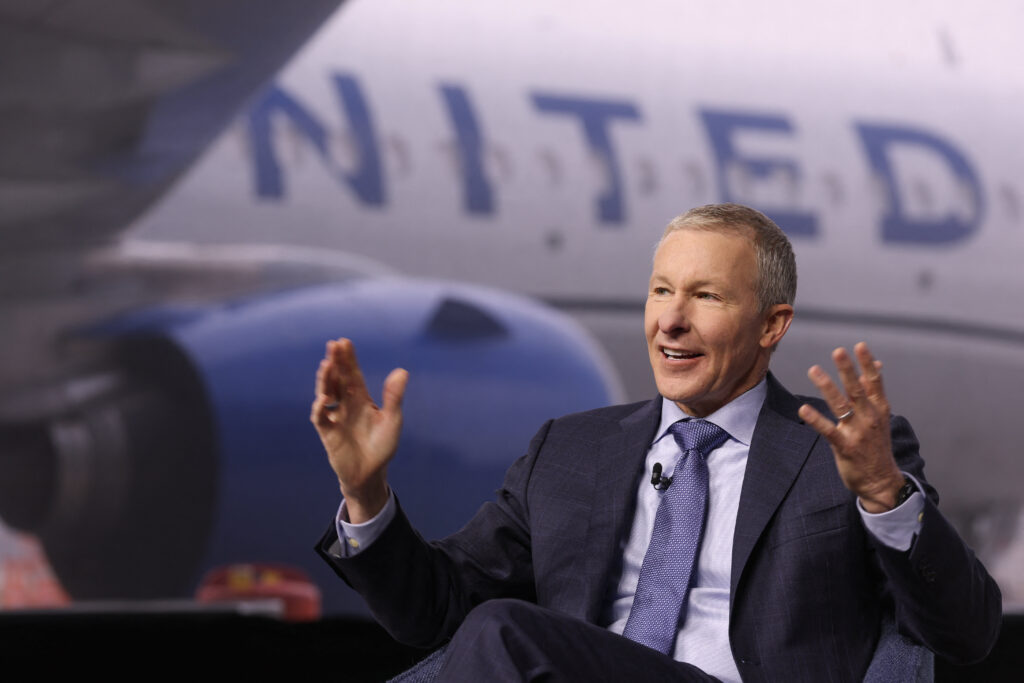
United at a crossroads after a decade of change
Scott Kirby celebrated his tenth year at the helm of United Airlines in early 2026, a period that saw the carrier emerge from pandemic‑induced losses, launch a new fleet of Boeing 787‑10s and 777‑200ERs, and double its trans‑Atlantic capacity. The airline now ranks as the third‑largest U.S. carrier by revenue, but faces mounting pressure from low‑cost rivals and a wave of technology‑driven competitors reshaping the industry.
Industry analysts note that United’s balance sheet is healthier than it was a few years ago, yet the airline still carries a sizable debt load from aircraft purchases and its 2020‑2021 restructuring. This financial backdrop makes any talk of “megadeals” – whether large‑scale mergers, strategic equity stakes, or deep‑water joint ventures – especially consequential for investors and employees alike.
At the same time, United has been expanding its footprint in emerging markets, adding nonstop services to Lagos, Nairobi and Johannesburg. Those routes are not just prestige projects; they tap a growing diaspora market that spends heavily on travel and cargo, and they position United against African flag carriers that are themselves expanding fast.
Kirby’s megadeal vision and AI‑first agenda
In a candid CNBC interview, Kirby outlined a two‑pronged strategy: pursue “megadeals” that could reshape United’s network, and embed artificial intelligence across every operational layer. He said the airline is evaluating “strategic partnerships that could give us a foothold in high‑growth regions, including Africa, without the need for a full‑blown merger.” The comment hints at possible equity stakes in African airlines or deeper code‑share agreements, a move that would mirror the recent partnership between Delta Air Lines and Kenya Airways.
On the technology front, Kirby described United’s AI rollout as moving from “pilot projects to enterprise‑wide adoption.” He cited predictive maintenance, dynamic pricing models that learn from real‑time demand, and AI‑driven crew scheduling as areas already delivering cost savings. According to United’s press release, the airline expects AI to cut fuel‑related expenses by up to 3% over the next three years.
Kirby also warned that AI will change the employee experience, noting that “automation will free up staff to focus on customer‑centric tasks, but we must invest in reskilling.” This acknowledgment reflects a broader industry trend where carriers are balancing efficiency gains with workforce concerns.
Why the megadeals and AI push matter globally
If United follows through on large‑scale partnerships, the competitive landscape of North‑American aviation could shift dramatically. A partnership with an African carrier would give United more slots at congested European hubs, while also opening cargo lanes that have surged since the pandemic. Such a deal could pressure rivals like American Airlines and Delta to accelerate their own alliance talks.
AI‑driven revenue management is already reshaping fare structures worldwide. United’s plan to use machine‑learning algorithms for real‑time price optimization could lead to more volatile ticket prices, benefitting price‑sensitive travelers but potentially confusing traditional booking habits. Moreover, AI‑enhanced route planning may enable United to add thin‑profit routes—such as a direct service from New York to Accra—if demand forecasts prove favorable.
Regulators are watching closely. The U.S. Department of Transportation has signaled a willingness to scrutinize any mega‑merger that could lessen competition on trans‑Atlantic or trans‑African corridors. Meanwhile, the European Commission has recently tightened rules on airline alliances, meaning any cross‑border partnership will need to clear multiple approval hurdles.
What this means for Africa, the diaspora and African investors
United’s interest in deeper African ties could translate into more seats for Nigerians, Kenyans, South Africans and other diaspora groups traveling to the United States. Historically, United’s Lagos‑Newark service has been one of the most premium options for West African business travelers, but capacity constraints often leave passengers on waiting lists. A partnership that secures additional slots at JFK or EWR would directly ease that bottleneck.
Cargo is another hidden benefit. United’s growing freighter fleet, combined with AI‑optimised load planning, could provide faster, cheaper shipping for African exporters of perishables, textiles and tech components. Small‑to‑medium enterprises in Lagos or Nairobi that rely on air freight could see reduced transit times, boosting their competitiveness in U.S. markets.
African investors have started to view U.S. carriers as a gateway to global capital. If United takes an equity stake in a carrier like Ethiopian Airlines, it could open a channel for African shareholders to tap into the deep liquidity of the New York Stock Exchange. Such a move would also signal confidence in Africa’s aviation sector, encouraging further foreign direct investment in airport infrastructure and ancillary services.
Industry reaction and what to watch next
Wall Street analysts gave Kirby’s megadeal pitch a mixed rating. JPMorgan’s aviation team noted that “the upside of a strategic African partnership is clear, but the integration risk remains high,” while a Bloomberg poll of airline executives suggested that 62% view AI as a “must‑have” within the next two years. Both sources agree that execution will be the decisive factor.
Competitors have already responded. Delta’s CEO announced a new joint venture with South African Airways, positioning the partnership as a “counterbalance” to United’s potential moves. Meanwhile, low‑cost carrier Spirit Airlines warned that AI‑driven pricing could “exacerbate fare volatility for budget travelers,” hinting at a possible regulatory pushback.
The next few months will reveal whether United’s megadeal ambitions are merely talk or will materialise into concrete agreements. Key indicators to monitor include filings with the U.S. Securities and Exchange Commission for any equity investments, updates from the International Air Transport Association on AI standards, and slot allocation notices from the FAA for African routes.
Quick Answers
What megadeals is United Airlines considering in 2026?
United is exploring strategic partnerships and possible equity stakes with African carriers to expand its network, though no final deal has been announced.
How will United's AI rollout affect ticket prices?
AI-driven pricing aims to adjust fares in real time based on demand, which could lower prices on some routes while making others more dynamic.
Will United add more flights to Africa after Kirby's interview?
Kirby indicated that United hopes to increase capacity on African routes, potentially adding seats on existing services like Lagos‑Newark.
Source: www.cnbc.com




💬 Comments 0