US floats Ukraine Donbas concession for NATO membership, Zelensky says 2026
Background: A war that has reshaped global alliances
Since Russia’s full‑scale invasion in February 2022, Ukraine has been locked in a brutal conflict that has drawn in NATO, the United States and a host of European capitals. While Kyiv has repeatedly asked for a formal invitation to the alliance, NATO has so far stopped short of extending membership, citing the need for a clear end‑state to the war.
Washington’s diplomatic playbook has often combined security guarantees with political concessions. In previous crises – from the Balkans in the 1990s to the Gulf in the early 2000s – the US has used the promise of deeper integration as leverage to coax warring parties toward a negotiated settlement. The latest claim, made by President Volodymyr Zelensky in a televised address, adds a new twist to that familiar pattern.
The offer: Ceding Donbas in exchange for NATO entry
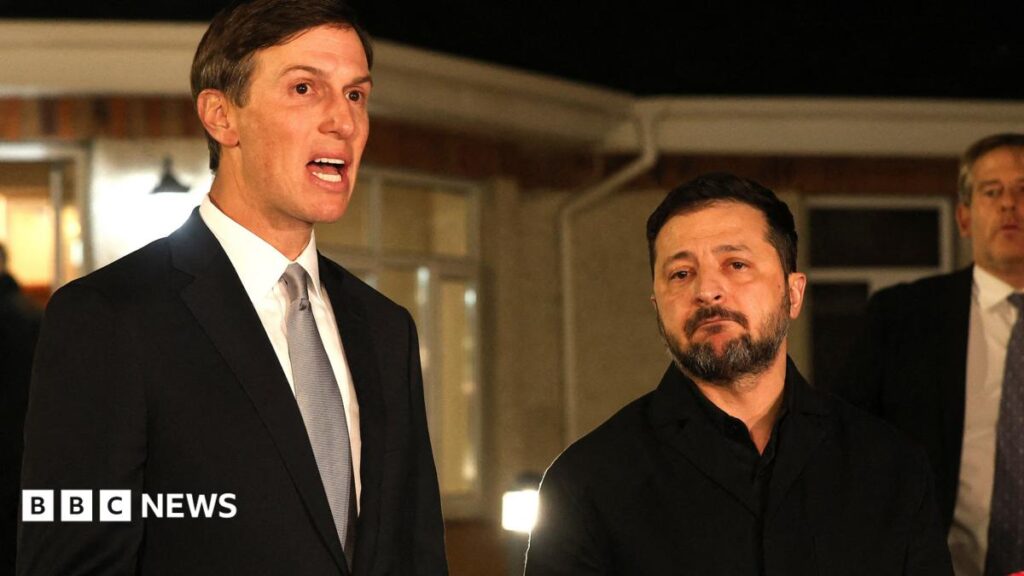
According to Zelensky, senior US officials told him that Washington was prepared to back a NATO accession for Ukraine if Kyiv agreed to hand over control of the Donbas region – the industrial heartland that Russia seized in 2022 and has held ever since. The president said the suggestion was delivered by “high‑level envoys” as part of a broader push to end the war, though no official US statement has confirmed the details.
The Donbas, comprising the oblasts of Donetsk and Luhansk, remains one of the most contested territories on the front line. A concession would mean Kyiv formally recognizing Russian‑backed authorities there, a move that could be framed as a de‑facto annexation. Such a step would run counter to the Ukrainian constitution, which defines the country’s borders as inviolable, and would likely trigger fierce domestic backlash.
Why it matters: Shifting calculations for the West and Moscow
If the United States were to trade NATO membership for territorial compromise, it would signal a dramatic shift in Washington’s strategic calculus. The move would prioritize a quick end to hostilities over the long‑term principle of defending sovereign borders, a stance that could embolden other revisionist powers to test the limits of the post‑Cold War order.
For Russia, a Ukrainian concession on Donbas would be a propaganda victory, reinforcing Moscow’s narrative that it can dictate terms in Europe. It would also free up Russian forces for other theatres, including its growing military footprint in Africa, where Russian private military firms have been active in countries such as the Central African Republic and Mali. A de‑escalated front in Ukraine could free resources for those ventures, altering security dynamics on the continent.
African implications: Security, arms markets and diaspora reactions
African states watch the Ukraine‑Russia showdown closely because it reverberates in their own security calculations. Many nations – from Kenya to Nigeria – have recently deepened ties with NATO partners for training and equipment. A precedent of the West swapping security guarantees for territorial concessions could make African leaders wary of similar deals that might compromise sovereignty in exchange for military aid.
The African defence market, already buoyed by increased demand for drones, air‑defence systems and cyber‑security tools, could see a shift in procurement patterns. If the US leans toward diplomatic compromises, European firms may double‑down on selling hardware to African customers to compensate for reduced political leverage. Conversely, Russian arms sales – which have surged in parts of Africa despite sanctions – could gain a foothold if the West appears to backtrack on its hard‑line stance.
The Ukrainian diaspora across Africa, though small, has been vocal on social media, condemning any suggestion of ceding Ukrainian land. Community groups in South Africa and Ghana have organized online petitions demanding that Kyiv maintain its territorial integrity, arguing that a compromise would set a dangerous example for minority groups fighting for self‑determination on the continent.
What’s next: Negotiations, NATO politics and the road ahead
For now, the proposal remains a claim made by Zelensky without corroborating evidence from the State Department. NATO allies will have to decide whether to endorse a conditional membership path or to keep the current “open‑door” policy that hinges on a clear end to Russian aggression. The alliance’s internal divisions – with countries like Turkey and Finland historically cautious about expanding eastward – could be amplified by this new bargaining chip.
In Kyiv, the political fallout is already palpable. Opposition parties and civil‑society groups have denounced the idea as a betrayal of national pride, while some senior military officers warn that any concession could demoralise troops fighting on the front lines. The Ukrainian parliament is expected to debate the president’s remarks in the coming weeks, and any formal move toward a territorial compromise would likely trigger a constitutional crisis.
Internationally, the United Nations and the European Union will monitor the situation closely. If the US does indeed tie NATO accession to a Donbas concession, it could invite legal challenges at the International Court of Justice and spark a fresh round of sanctions against Russia – or, paradoxically, a relaxation of sanctions if Moscow accepts the deal. The next few months will reveal whether this is a genuine diplomatic overture or a rhetorical lever used in the high‑stakes game of war‑time politics.
Quick Answers
Did the United States officially propose that Ukraine give up Donbas for NATO membership?
No official US statement has confirmed the claim; President Zelensky said senior US envoys raised the idea in private talks.
How could a Ukraine‑Donbas deal affect African security partnerships?
It may make African leaders cautious about accepting security deals that involve sovereignty compromises, and could shift arms‑market dynamics toward European suppliers.
What are the next steps for NATO regarding Ukraine’s membership?
NATO will debate whether to condition any invitation on a territorial settlement, while member states weigh the political risks of endorsing such a compromise.
Source: www.bbc.co.uk




💬 Comments 0