US-Funded Infant Vaccine Trial Cancelled in Guinea-Bissau Over Ethics Concerns, 2026
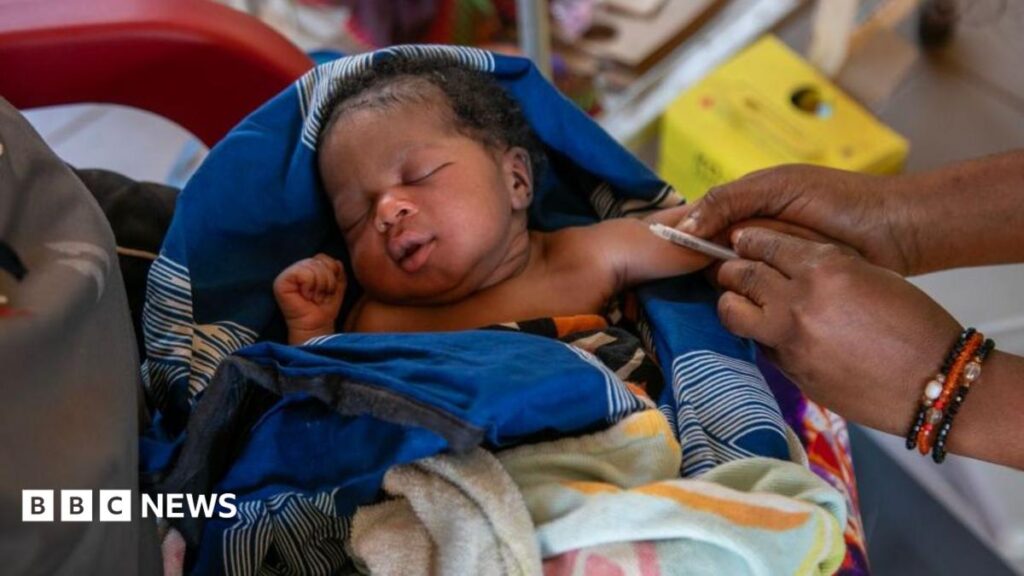
A fraught legacy of clinical research in Guinea-Bissau
Guinea-Bissau has long been a testing ground for experimental vaccines, dating back to the 1970s when the country hosted trials for oral polio and measles vaccines. Those early studies, while credited with saving lives, also left a scar of mistrust because many participants felt they were used as guinea pigs without adequate compensation or local oversight. That legacy resurfaced in 2026 when a US‑funded consortium announced a new trial targeting a novel respiratory vaccine for infants under six months.
The trial was designed as a randomized, double‑blind study involving roughly 1,200 newborns from rural health centers in the Bafatá and Oio regions. Half of the infants would receive the investigational vaccine, while the other half would get a placebo, a structure that is standard in many clinical phases but sparked alarm in a country still recovering from past exploitative research practices. Local ethics committees had previously warned that the protocol lacked provisions for post‑trial access to the vaccine if it proved effective.
Internationally, Guinea-Bissau is seen as a low‑income market where disease burden is high and regulatory frameworks are still maturing. That makes it attractive for sponsors seeking rapid enrolment and lower operational costs, but it also amplifies concerns that the power imbalance between wealthy donors and resource‑constrained health systems can translate into what critics label “research colonialism.”
The trial plan and why it was deemed unethical
The proposed study aimed to test a recombinant protein vaccine against Respiratory Syncytial Virus (RSV), a leading cause of infant pneumonia worldwide. Researchers argued that testing in Guinea‑Bissau would provide critical data on efficacy in a high‑mortality setting. However, the protocol stipulated that only the treatment arm would receive the vaccine, while the control arm would receive a saline injection, effectively denying half of the participants a potentially life‑saving intervention.
Human rights groups and local NGOs quickly labeled the design “neocolonial,” noting that the same vaccine had already shown promising results in phase‑III trials in Europe and North America. According to a statement from the African Coalition for Ethical Research, the trial ignored the principle of “benefit sharing,” which obligates sponsors to ensure that participants are not left worse off after the study ends. The coalition also pointed out that the informed‑consent process was rushed, with community leaders receiving a single briefing session just days before enrolment began.
Compounding the controversy, the funding came from the US National Institute of Allergy and Infectious Diseases (NIAID) through a grant earmarked for “global health security.” While the agency has a track record of supporting vaccine development, critics argued that the grant’s language emphasized rapid data collection over equitable partnership, reinforcing the perception that the trial served US strategic interests more than local health needs.
Why the cancellation matters for African health sovereignty
The abrupt halt of the trial sends a clear signal that African regulators are no longer willing to accept research designs that sideline local benefit. In the past year, Ghana, Kenya, and South Africa have tightened requirements for foreign‑sponsored studies, demanding that any investigational product be made available to the host country at affordable prices if it receives regulatory approval. Guinea‑Bissau’s decision aligns with that continental shift toward greater agency over health research.
For African scientists, the episode underscores the growing need to lead trials rather than merely serve as recruitment sites. The West African Centre for Vaccine Innovation, based in Dakar, has been lobbying for a regional review board that can veto protocols deemed exploitative. If such a body gains traction, it could reshape the global clinical‑trial landscape by forcing sponsors to negotiate terms that include technology transfer, capacity‑building, and post‑trial access.
The cancellation also has implications for vaccine hesitancy across the continent. Recent surveys in West Africa show that distrust in foreign‑made vaccines has risen after high‑profile controversies, including the 2024 polio vaccine rollout in Nigeria that faced rumors of hidden microchips. By publicly rejecting a study perceived as unfair, Guinea‑Bissau may help restore confidence among parents who fear that their children are being used as test subjects without guaranteed benefit.
Voices from the ground: local, diaspora, and international reactions
In Bissau, mothers gathered outside the Ministry of Health to protest the trial, waving placards that read “Our babies are not experiments.” One mother, Ana Gomes, told reporters that she had signed the consent form after a health worker promised free medical check‑ups for her newborn, only to learn later that half of the infants would receive a placebo. Her story echoed a broader sentiment that the promise of “free care” can be a coercive incentive in impoverished communities.
Diaspora groups in Lisbon and Paris quickly amplified the controversy on social media, calling for a boycott of any US‑funded health projects that do not meet African ethical standards. A petition launched by the Guinea‑Bissau Diaspora Association gathered over 12,000 signatures within 48 hours, demanding that the government establish a transparent, locally‑run ethics review board for all future foreign‑sponsored research.
International health bodies have taken a more measured stance. The World Health Organization’s Regional Office for Africa issued a statement acknowledging the concerns and pledging to review its own guidance on placebo use in vulnerable populations. Meanwhile, a spokesperson for NIAID said the agency respected Guinea‑Bissau’s decision and would explore alternative study designs that do not involve a placebo arm, indicating a possible shift toward “adaptive trial” models that may be more acceptable in low‑resource settings.
What comes next? Lessons for future trials and policy reforms
The immediate fallout includes a pause on any other US‑funded studies pending a review of ethical safeguards. Health officials in Bissau have announced plans to draft a national framework that will require all foreign trials to include a “post‑trial access clause,” guaranteeing that successful vaccines are priced affordably for the local market. The draft, expected by early 2027, will be modeled on the African Union’s 2025 “Health Research Sovereignty” declaration.
For sponsors, the incident serves as a cautionary tale. Pharmaceutical companies are now exploring “step‑down” designs where all participants eventually receive the investigational product after an interim analysis, a method that could reconcile scientific rigor with ethical imperatives. Some experts predict that the next wave of RSV vaccine trials will be conducted in partnership with African manufacturers, leveraging local production capacity that has expanded since the COVID‑19 pandemic.
Finally, the cancellation may inspire a broader conversation about how global health funding is allocated. Development agencies are being urged to tie grants to measurable outcomes for host countries, such as training local investigators or strengthening regulatory institutions. If those demands are met, Guinea‑Bissau could become a model for equitable research collaboration rather than a cautionary footnote in the history of neocolonial medical trials.
Quick Answers
Why was the US‑funded infant vaccine trial in Guinea‑Bissau cancelled?
It was cancelled after local health authorities and NGOs called it unethical because half of the babies would receive a placebo, denying them a potentially life‑saving vaccine.
What impact could the cancellation have on future clinical trials in Africa?
The decision signals tighter ethical scrutiny, encouraging sponsors to adopt trial designs that guarantee post‑trial access and to partner more closely with African researchers.
How are Guinea‑Bissau’s diaspora communities responding?
Diaspora groups have launched online petitions and protests, demanding transparent, locally‑controlled ethics review processes for any foreign‑funded health research.
Source: www.bbc.co.uk



💬 Comments 0