US‑Iran attacks flare in Strait of Hormuz, UAE and Jordan targets – 2026 escalation
Background: a fragile truce and a strategic chokepoint
Since the 2023 nuclear talks collapsed, Washington and Tehran have been locked in a high‑stakes game of posturing, with both sides threatening force but largely avoiding direct fire. The last exchange of artillery and missile strikes occurred on July 29, 2026, when a U.S. Navy destroyer brushed a suspected Iranian drone in the Persian Gulf. After that, a tentative cease‑fire held for a month, giving regional actors a brief reprieve.
The Strait of Hormuz remains the world’s most vital oil conduit, funneling roughly 20 percent of global petroleum shipments each day. Any disruption instantly reverberates through markets, especially for oil‑dependent economies. For African exporters such as Nigeria, Angola and Equatorial Guinea, a bottleneck in Hormuz translates into delayed cargoes, higher freight rates, and volatile revenue streams that fund public services and infrastructure.
Washington’s policy, articulated by the Pentagon in a March briefing, frames the Strait as “non‑negotiable” for U.S. energy security. Tehran, meanwhile, insists the waterway is an “Iranian sovereign zone” where it can enforce its own maritime rules. This clash of legal narratives underpins the latest flare‑up, turning a geopolitical standoff into a tangible threat to commercial shipping.
The latest flashpoint: strikes in Hormuz, the UAE and Jordan
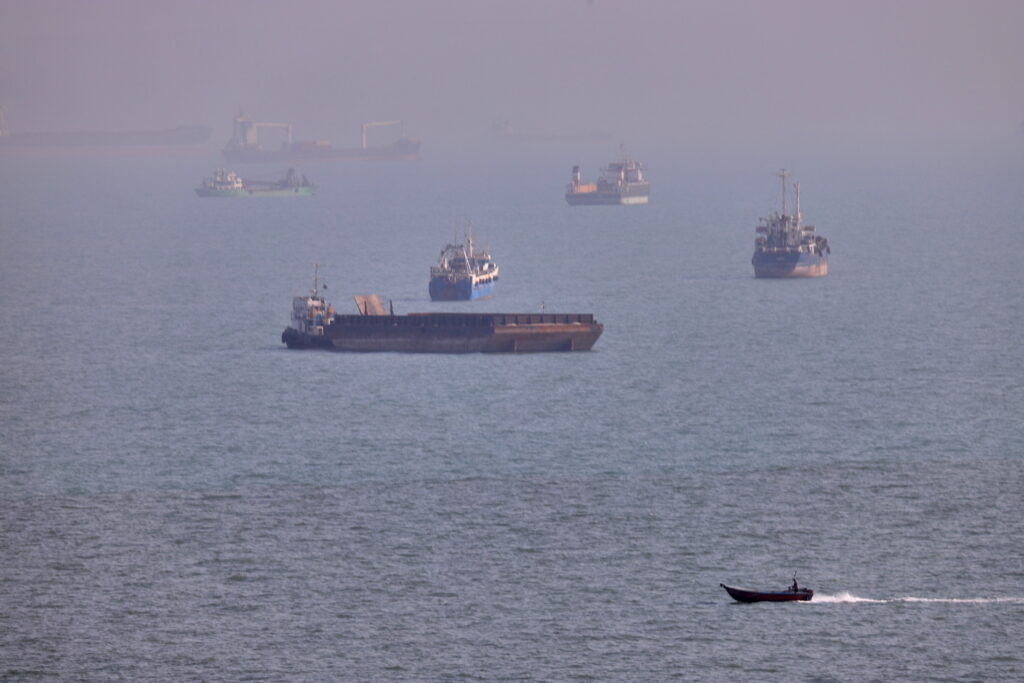
On August 28, 2026, U.S. warships stationed near the southern mouth of the Strait launched a series of precision strikes against vessels that intelligence flagged as carrying Iranian‑supplied weapons. The Pentagon confirmed the operation, saying the targets “posed an imminent threat to U.S. forces and allied shipping.” Iranian state media, citing the Revolutionary Guard, claimed the attacks damaged a cargo ship and injured crew members, though independent verification remains pending.
In swift retaliation, Iran fired a salvo of short‑range ballistic missiles toward two sites it described as “U.S. logistical hubs” in the United Arab Emirates and Jordan. The UAE’s Ministry of Defence reported minor structural damage to a military depot in Abu Dhabi, while Jordan’s army said a forward operating base near Amman suffered “non‑critical” impacts. No fatalities were reported, but the incidents marked the first Iranian strikes on U.S.‑aligned facilities outside Iran’s immediate neighbourhood since 2022.
Analysts at the International Institute for Strategic Studies (IISS) interpret the exchange as a calculated escalation designed to test each side’s resolve without crossing the threshold of full‑scale war. Both governments have so far avoided a public admission of casualties, a tactic that keeps domestic audiences from demanding immediate retaliation while preserving diplomatic channels for back‑channel talks.
Ripple effects on African oil exporters and the continent’s economies
African oil producers watch Hormuz developments with a mixture of alarm and pragmatism. In Lagos, the Nigerian National Petroleum Corporation (NNPC) issued a brief advisory on August 30, urging exporters to monitor tanker routes and consider alternative lay‑cans via the Cape of Good Hope if the Strait remains volatile. The advisory echoes similar warnings issued by Angola’s Sonangol in 2024 after a brief Iranian missile test near the Gulf.
Shipping analysts at Bloomberg estimate that each day of heightened tension adds roughly $2 million to the cost of moving a barrel of crude from West Africa to Europe. Those added expenses cascade into higher gasoline prices for consumers in Lagos, Accra and Kinshasa, where fuel subsidies already strain national budgets. Moreover, the uncertainty can deter foreign investment in new offshore projects, a sector that accounts for a growing share of African GDP.
Beyond economics, the security of African seafarers is at stake. The International Maritime Organization (IMO) reports that more than 15 percent of crew members on vessels transiting Hormuz are from African nations, primarily Ghana, Nigeria and Kenya. Any incident that endangers ships also raises the risk of injuries or arrests for these workers, prompting unions in Accra and Nairobi to call for stronger diplomatic advocacy from their governments.
Diaspora reactions and regional diplomatic manoeuvres
The African diaspora in the Gulf, estimated at over 2 million people, has taken to social media to voice concern over the sudden rise in hostilities. Community leaders in Dubai organized a virtual town‑hall on August 29, urging both the UAE and the United States to prioritize civilian safety and avoid any escalation that could jeopardise their families’ livelihoods.
In Washington, members of the Congressional Black Caucus sent a letter to Secretary of State Antony Blinken on August 30, asking the administration to consider the broader implications of a prolonged Hormuz crisis for African economies that already grapple with debt and inflation. The letter cited recent IMF forecasts that a 10 percent dip in oil revenues could push Nigeria’s fiscal deficit above 8 percent of GDP.
Regional actors are also stepping into the fray. Saudi Arabia’s foreign minister, during a press conference in Riyadh, called for “immediate de‑escalation” and offered to host a neutral mediation platform, a proposal that the United Nations Security Council is reportedly reviewing. Egypt, a major transit hub for African goods heading to Europe, has warned that any disruption to the Red Sea‑Gulf corridor could force it to divert cargoes through the Suez Canal, increasing congestion and fees.
What’s next: diplomatic pathways and the risk of wider conflict
U.S. officials have signaled a willingness to open “urgent back‑channel talks” with Tehran, according to a senior State Department source who spoke on condition of anonymity. The goal, as described by the source, is to establish a limited “red‑line” agreement that would prevent missile launches near commercial shipping lanes while allowing both sides to save face.
Iran, for its part, appears to be leveraging the strikes to extract concessions on sanctions relief. In a televised address on August 31, Supreme Leader Ayatollah Ali Khamenei warned that continued U.S. aggression would force Tehran to “defend its sovereignty and its allies.” Observers note that this rhetoric aligns with Tehran’s broader strategy of using regional proxies—such as Hezbollah in Lebanon—to pressure Washington without direct state‑to‑state combat.
The coming weeks will likely determine whether the episode remains a contained tit‑for‑tat or spirals into a broader naval confrontation. Key variables include the willingness of European powers to mediate, the resilience of African oil supply chains, and the capacity of the United Nations to convene an emergency session on maritime security. For African policymakers, the priority will be to secure alternative export routes and lobby for a swift diplomatic resolution that safeguards both revenue and lives.
Quick Answers
What triggered the recent US‑Iran attacks in the Strait of Hormuz?
U.S. forces struck vessels they said were carrying Iranian weapons, prompting Iran to fire missiles at U.S.‑linked sites in the UAE and Jordan.
How could disruptions in the Strait of Hormuz affect African oil exporters?
Any slowdown raises freight costs and can delay shipments, which may reduce export revenues for countries like Nigeria and Angola and push fuel prices higher across the continent.
What diplomatic steps are being taken to de‑escalate the US‑Iran tension?
Both capitals have opened back‑channel talks, and regional powers such as Saudi Arabia and Egypt are offering to host mediation to prevent a wider naval conflict.
Source: www.npr.org



💬 Comments 0