US‑Iran Conflict 2026: Experts Outline Exit Strategies and Impacts on African Oil Markets
Recent escalation and the search for an exit
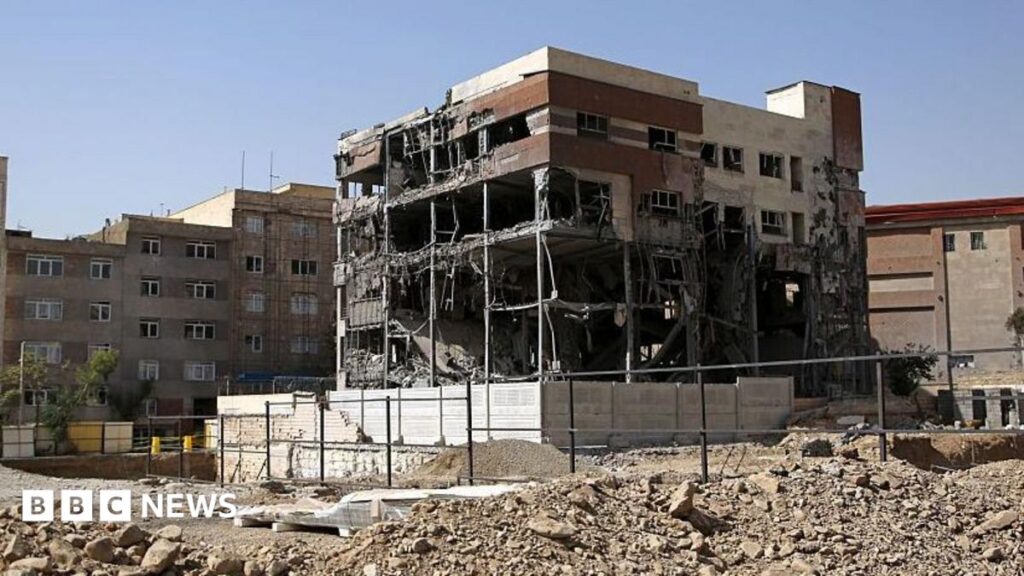
In early September 2026, the United States and Iran exchanged a fresh round of missile and drone strikes after weeks of diplomatic dead‑lock. The latest attacks targeted Iranian air bases in the western desert and a U.S. naval vessel operating near the Strait of Hormuz, raising fears that the confrontation could spiral into a broader regional war.
Both capitals have signaled that they are not seeking a permanent showdown, yet each side claims it needs to demonstrate resolve to domestic audiences and regional allies. The United Nations has called for an immediate ceasefire, but the United States has warned that any further Iranian aggression will meet “decisive” retaliation, while Tehran insists on defending its sovereignty against what it calls “unlawful American interference.”
What the three experts propose as an exit strategy
Dr. Lila Hassan, a senior fellow at the Brookings Institution, argues that a phased de‑escalation tied to a verified nuclear‑non‑proliferation agreement could work. She suggests a three‑stage plan: first, a mutually supervised halt to aerial attacks; second, the reopening of back‑channel talks on the 2015 nuclear deal framework; and third, a joint security commission to monitor maritime traffic in the Gulf for at least two years.
Former U.S. diplomat Michael O’Leary, now a professor at Georgetown, warns that any exit must include a credible economic incentive for Tehran. He recommends a limited sanctions relief package linked to Iran’s commitment to cease support for proxy militias in Yemen and Lebanon, combined with a U.S. pledge to protect Iranian commercial shipping from piracy.
Finally, African‑focused security analyst Amina Diop of the African Centre for Strategic Studies points out the need for a regional guarantor. She proposes that the African Union, together with the Gulf Cooperation Council, host a multilateral summit where African oil‑exporting states can mediate and assure both parties that their energy interests will be safeguarded.
Why the outcome matters for Africa and the diaspora
Africa’s oil‑exporting economies, especially Nigeria, Angola and Equatorial Guinea, are highly sensitive to price swings triggered by Gulf tensions. A prolonged US‑Iran clash would likely push Brent crude above $120 a barrel, inflating import bills for countries that rely on oil‑derived revenues to fund infrastructure and social programs. Conversely, a swift de‑escalation could stabilise markets and protect fragile fiscal balances across the continent.
The African diaspora in the United States, which numbers over 2 million, watches the conflict closely because many families maintain business ties with Iran and the Gulf. Iranian‑American entrepreneurs run a sizable share of the halal food and cosmetics sectors, while Nigerian expatriates depend on reliable shipping lanes for exporting petroleum products. Uncertainty in the Persian Gulf therefore ripples through diaspora communities, affecting everything from job security to remittance flows.
Regional ripple effects: oil, shipping and security
The Strait of Hormuz handles roughly a third of global oil shipments, and any disruption reverberates through Africa’s maritime trade routes. African vessels that transit the Gulf of Aden and the Red Sea already contend with piracy off Somalia; added military activity could force them to take longer, more expensive routes around the Cape of Good Hope, raising freight costs for African exporters of cocoa, coffee and minerals.
Moreover, Iran’s influence over the Houthi rebels in Yemen has already complicated security for ships off the coast of Djibouti, a key logistics hub for East‑African landlocked countries. If the United States expands its naval presence to counter Iranian proxies, African coastal states may be pressured to grant port access or host joint patrols, a prospect that raises sovereignty concerns in Nairobi, Addis Ababa and Accra.
What could come next – diplomatic, economic or military paths
If the three‑step plan outlined by Dr. Hassan gains traction, we could see a limited ceasefire within weeks, followed by a high‑level diplomatic track that revisits the Joint Comprehensive Plan of Action. Successful implementation would require the United Nations Security Council to endorse a sanctions‑relief framework that balances U.S. pressure with Iran’s demand for dignity.
Should economic incentives falter, the United States may resort to a “targeted pressure” approach, tightening sanctions on specific Iranian entities while leaving the broader oil sector relatively untouched. This would aim to curtail Tehran’s funding of militias without choking African oil markets, but it risks pushing Iran toward clandestine oil sales to Asian buyers, which could still destabilise global prices.
A worst‑case scenario involves a miscalculation that reignites full‑scale naval clashes. In that event, African nations could be forced to pick sides or, at a minimum, brace for higher insurance premiums on cargo ships. The African Union’s proposed mediation role would become a diplomatic lifeline, offering a neutral platform for conflict resolution and helping to keep African trade arteries open.
Quick Answers
What exit strategies do experts suggest for ending the US‑Iran conflict?
Experts propose a phased ceasefire linked to a renewed nuclear agreement, limited sanctions relief tied to militia disengagement, and African‑led regional mediation to guarantee energy security.
How could a US‑Iran de‑escalation affect African oil prices?
A quick de‑escalation would likely stabilise Brent crude, keeping African oil‑exporting economies from sudden revenue spikes or drops that can disrupt national budgets.
Can African nations play a role in mediating the US‑Iran tension?
Yes, the African Union, together with Gulf partners, could host a summit to offer neutral guarantees for maritime trade and help design a sanctions‑relief package acceptable to both sides.
Source: www.bbc.co.uk




💬 Comments 0