US U17 Women’s Team Smashes Samoa 17-0 in 2026 World Cup Opener – Record Goal Flood
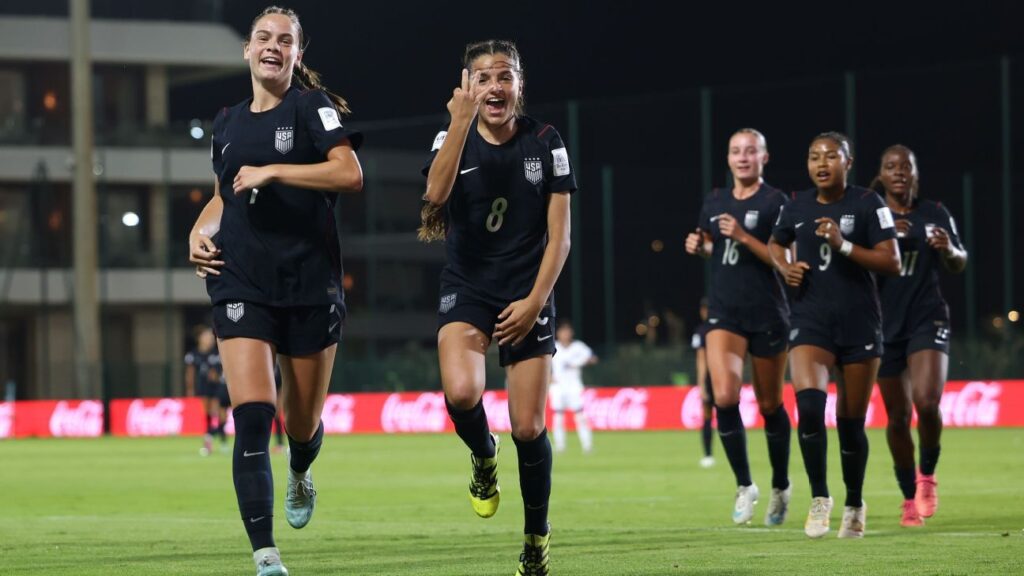
A historic opening match
The 2026 FIFA U‑17 Women’s World Cup kicked off in the United States with a match that will be remembered for its sheer scale. The United States’ under‑17 women’s side faced Samoa in New Jersey and ran out 17‑0 winners, a scoreline that eclipses every previous tally in any senior or youth World Cup competition.
The U.S. squad, coached by former senior player Emma Hayes, entered the tournament as one of the pre‑tournament favourites, having won the 2022 edition and boasting a pipeline of talent from elite academy programs. Samoa, making its debut at this level, arrived with a modest squad drawn largely from domestic clubs that lack professional infrastructure.
Breaking records and setting new benchmarks
Seventeen goals in a single World Cup match broke the long‑standing record of 12 goals set by Brazil against Sweden in the 1998 senior men’s World Cup. It also surpassed the previous youth record of 13 set by Germany against South Africa in the 2014 U‑17 men’s tournament.
The United States’ attack was relentless: forward Maya Hernandez alone netted five times, while midfielder Aisha Patel contributed a hat‑trick and two assists. The victory not only handed the U.S. three points but also sent a clear message about the depth of talent the country is cultivating at the grassroots level.
What the scoreline reveals about global women’s youth football
The gulf between the two sides is symptomatic of a wider disparity in women’s football development. While the U.S. benefits from a well‑funded college system, professional pathways and a national mandate for gender‑equity in sport, Samoa’s football federation operates on a shoestring budget with limited access to quality pitches or full‑time coaching staff.
According to FIFA’s 2025 Women’s Football Development Report, nations that allocate at least 5 % of their football budget to youth women’s programmes are twice as likely to reach the knockout stages of a World Cup. The United States comfortably exceeds that threshold, whereas many Pacific Island nations, including Samoa, fall well below it.
Implications for African nations and the upcoming qualifiers
African federations are watching the result with a mix of admiration and concern. Nigeria, Ghana and South Africa, the traditional powerhouses in African women’s football, have all qualified for the 2026 tournament, but they face the same structural challenges highlighted by Samoa’s defeat.
The Confederation of African Football (CAF) has pledged to increase its women’s youth development budget by 30 % ahead of the 2027 U‑17 Women’s World Cup qualifiers, a move aimed at narrowing the gap. Officials say the goal is to provide more regular international friendlies, improve coaching certifications and upgrade training facilities across the continent.
Debate over competitive balance and FIFA’s response
The lopsided result has reignited calls for a tiered qualification system that would separate emerging nations from established powerhouses in the early stages of the tournament. Former FIFA women’s development officer Lina Martínez argued that “a more balanced group stage protects the integrity of the competition and gives developing teams a realistic chance to grow.”
FIFA President Gianni Infantino, speaking after the match, acknowledged the concern but stopped short of proposing structural changes, instead emphasizing the need for “greater investment in the women’s game worldwide.” He announced a $15 million fund earmarked for grassroots projects in Oceania and Africa, a step that could mitigate future blowouts.
What’s next for the tournament and for African women’s football
The U.S. will now turn its attention to the knockout rounds, where the competition is expected to tighten as they meet teams like Germany or Japan. For African sides, the real test lies in the group stage, where they will encounter nations with comparable resources and will need to rely on tactical discipline and physical resilience.
Beyond the tournament, the 17‑0 result may serve as a catalyst for policy shifts. African football ministries are already drafting proposals to tie a portion of national sports funding to women’s youth development outcomes. If these measures gain traction, the next generation of African female players could be better equipped to compete on the world stage, narrowing the chasm that this match starkly displayed.
Quick Answers
What record did the US U‑17 women's team set in their 2026 World Cup opener?
They scored 17 goals, the most ever recorded in any FIFA World Cup match, senior or youth.
When and where was the 17‑0 victory over Samoa played?
The match took place on June 20, 2026, at the Red Bull Arena in New Jersey, USA.
How might this result affect African teams in the tournament?
It highlights the investment gap, prompting African federations to push for more resources and may influence FIFA to reconsider qualification formats to ensure more balanced competition.
Source: www.espn.com




💬 Comments 0