Valencia fans protest after 5-0 Barcelona loss, club crisis deepens 2026
The shock of a 5-0 defeat
On Sunday night the Mestalla turned into a pressure cooker as Barcelona dismantled Valencia 5-0, a scoreline that eclipsed the usual LaLiga rivalry and left the home side visibly shaken. The Catalans dominated possession, scored three goals before halftime and added two more in the second period, leaving Valencia with little chance to recover. The result not only widened the gap between the clubs in the table but also amplified simmering frustrations among the Valencian faithful.
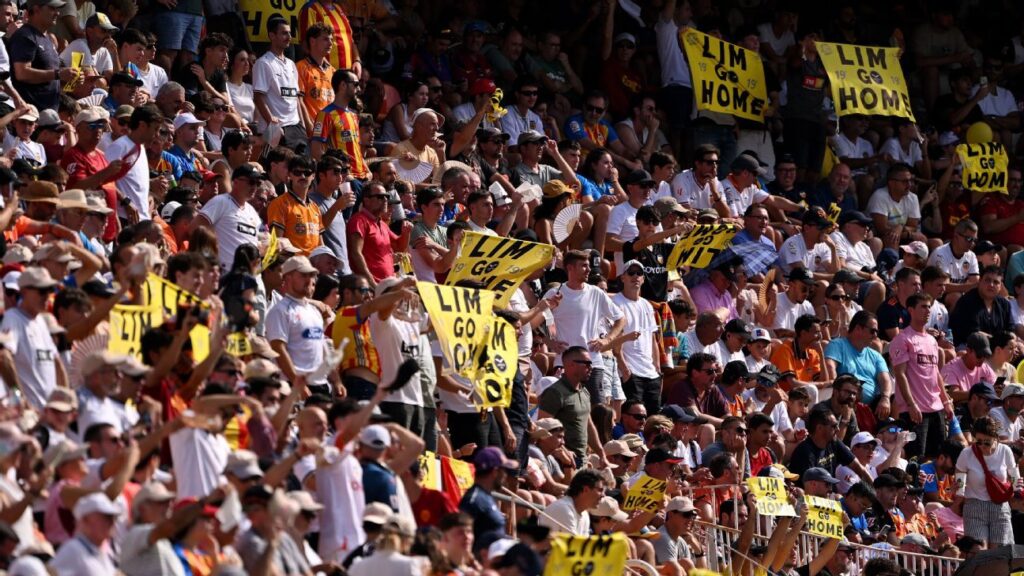
Fans, already fed up with a string of under‑performances, responded by chanting slogans, waving banners and chanting “mercenaries” at players and board members who they accuse of putting profit over pride. The protest quickly spilled beyond the stands, with supporters gathering outside the club’s headquarters to demand resignations and a clear plan to restore competitiveness. The visual of a sea of orange and black flags turned into a tableau of dissent that dominated Spanish sports headlines.
While a single heavy loss can be written off as an off‑day, the scale of the defeat and the intensity of the reaction suggest a deeper malaise. Valencia’s recent record shows a pattern of narrow defeats and missed opportunities, and the Barcelona rout has become the catalyst for a broader outcry about the club’s strategic direction, financial management and relationship with its supporters.
A club in turmoil: recent history and financial strain
Valencia’s crisis did not begin with Sunday’s match. Over the past two seasons the club has cycled through three head coaches, sold key assets such as Ferran Torres and Gonçalo Guedes, and struggled to meet UEFA Financial Fair Play requirements. According to a report by Marca, the club’s debt rose to €350 million in early 2026, prompting a series of costly player swaps that many supporters view as short‑term fixes rather than sustainable solutions.
Ownership disputes have further muddied the waters. The recent sale of a controlling stake to a consortium led by Singapore‑based investors sparked controversy, with critics arguing that the new board prioritises overseas market expansion over local talent development. The fans’ chants of “mercenaries” echo a sentiment that the club is being run by distant financiers who lack a genuine connection to Valencia’s identity and community.
These financial pressures have translated into on‑field instability. The squad, stripped of several home‑grown stars, now relies heavily on loan players and short‑term contracts, a model that hampers cohesion and long‑term planning. The 5‑0 loss to Barcelona can therefore be read as a symptom of a deeper structural problem: a club that is financially over‑leveraged, administratively fragmented, and increasingly out of touch with its fan base.
LaLiga’s African market and Valencia’s commercial ties
Barcelona’s global brand, especially across Africa, has grown dramatically in the past decade, driven by high‑profile signings of African players like Sadio Mané and the club’s aggressive digital outreach. In Nigeria, Kenya and South Africa, Barça’s matches routinely rank among the top‑watched sporting events, and the club’s merchandise sales have outpaced many European rivals on the continent.
Valencia, by contrast, has struggled to cement a comparable foothold. The club’s last major African partnership—a 2023 kit deal with a South African sportswear firm—ended prematurely due to delayed payments, according to a statement from the partner’s spokesperson. The current financial crisis threatens to further erode Valencia’s ability to invest in African talent pipelines, scouting networks and community programmes that could boost both on‑field performance and commercial revenue.
For African players, Valencia’s instability presents a double‑edged sword. On one hand, the club’s need for affordable talent could open doors for emerging African prospects seeking a foothold in Europe. On the other hand, the lack of financial stability raises concerns about contract security, timely wages and career progression. The protest at Mestalla therefore resonates with African diaspora fans who watch the club’s fortunes closely, fearing that a faltering Valencia may become a cautionary tale for players from the continent.
Fan activism and the future of football governance
The Valencia protest adds to a growing wave of supporter‑led actions across Europe, from the ultras in Italy demanding transparency to English fans pushing for fan representation on club boards. According to a recent study by the European Sports Law Centre, fan‑initiated protests have increased by 27 % since 2020, reflecting a broader desire for accountability in football’s corporate structures.
In Spain, the legal framework for supporter participation remains limited, but the Valencia episode may spark renewed debate about the “50+1” model used in Germany, where clubs must retain majority ownership by members. Diaspora groups, particularly those in the UK and the United States, have begun organizing online petitions demanding that Valencia’s board include fan representatives in strategic meetings, a move that could set a precedent for other LaLiga clubs.
If the protests translate into concrete governance reforms, the ripple effect could extend to African clubs that look to European models for inspiration. Many African football federations are already experimenting with fan councils, and a high‑profile case like Valencia could provide a template for integrating supporter voices into decision‑making, potentially improving transparency and financial stewardship across the continent.
What lies ahead for Valencia and its supporters
The immediate calendar offers little respite: Valencia faces Atletico Madrid and Sevilla in the next two weeks, both matches likely to test the squad’s morale and tactical flexibility. Analysts from AS suggest that without a swift managerial change or a clear transfer strategy, the team could slip further down the table, risking a rare relegation battle that would deepen financial woes.
From a commercial perspective, the club’s leadership must act quickly to rebuild trust with sponsors and fans alike. Re‑engaging African markets could be a pragmatic step, especially if Valencia signs promising African talent and leverages those stories in targeted marketing campaigns. Such a strategy would not only diversify revenue streams but also signal a commitment to inclusive growth—a narrative that could pacify both local and diaspora supporters.
Ultimately, the protest is a warning sign that the club’s survival hinges on aligning sporting ambition with financial realism and fan involvement. If Valencia can harness the energy of its supporters, restructure its ownership model and invest wisely in talent—particularly from under‑represented regions like Africa—it may emerge from this crisis stronger. Failure to do so, however, could see the Mestalla become a cautionary footnote in LaLiga’s history of once‑great clubs falling into obscurity.
Quick Answers
Why did Valencia fans protest after the Barcelona loss?
Fans were angry about the 5‑0 defeat, ongoing financial mismanagement and the perception that the club’s owners treat players as mercenaries rather than building a sustainable team.
How could Valencia's crisis affect African players?
The club’s financial instability may limit reliable contracts for African talent, but it could also create opportunities for affordable signings if Valencia seeks cost‑effective players.
What are the next steps for Valencia after the protest?
The club must address fan demands, consider board reforms, stabilize finances and improve its sporting strategy before upcoming matches against Atletico Madrid and Sevilla.
Source: www.espn.com




💬 Comments 0