Vozinha’s World Cup fame sparks mental‑health debate for Cape Verde goalkeepers in 2026
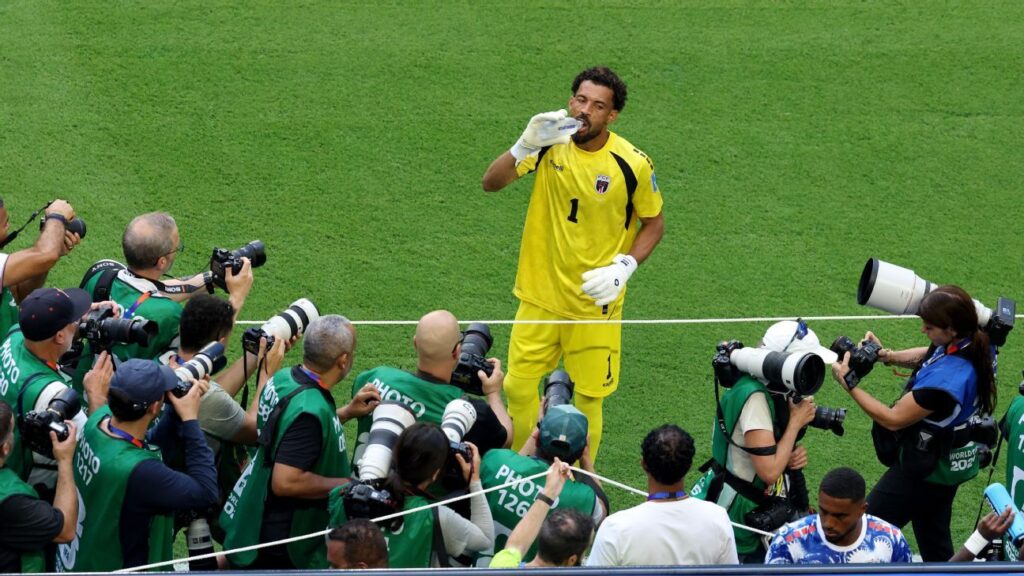
From local hero to global meme
Josimar "Vozinha" Dias, the 38‑year‑old goalkeeper who guarded Cape Verde’s net during the 2022 African Nations Cup, became an internet sensation after a clip of his reflex save went viral during a 2026 World Cup qualifier against Ghana. The footage, shared millions of times on TikTok and Twitter, turned the once‑quiet Praia‑based player into a household name across Africa and among the diaspora in Europe and North America.
The surge in attention was not just about a spectacular save. Fans praised his composure, his distinctive jersey number 1, and his trademark smile after every match. Within weeks, his name trended on Google Trends in several Portuguese‑speaking countries, and brands began courting him for endorsement deals that had previously been out of reach for most Cape Verdean athletes.
The hidden cost of instant celebrity
Despite the flood of praise, Vozinha admitted in a recent interview that the sudden spotlight has taken a toll on his personal life. He said he “would choose the life I had before” because the constant media scrutiny and pressure to perform have disrupted his routine, family time, and even his sleep schedule.
Sports psychologists note that such rapid fame can trigger anxiety, especially for players from smaller footballing nations where support structures are limited. “When a player is thrust onto a global stage without a mental‑health framework, the stress can be overwhelming,” said Dr. Aisha Bello, a Lagos‑based sports therapist who works with African diaspora athletes.
Why the story matters for African football
Vozinha’s experience shines a light on a broader trend: African players are increasingly becoming viral content creators, often before their federations can provide the necessary welfare mechanisms. The rise of short‑form video platforms means a single highlight can generate worldwide attention overnight, turning athletes into brand ambassadors in a matter of days.
For football associations across the continent, the challenge is two‑fold. First, they must harness the commercial potential of such moments to fund grassroots programmes. Second, they must protect their players from the mental‑health fallout that can accompany sudden fame, a responsibility traditionally shouldered by clubs in Europe or South America.
Impact on Cape Verde and its diaspora
Cape Verde’s football federation (FCF) sees Vozinha’s viral moment as a double‑edged sword. On one hand, the exposure could attract sponsorships that would otherwise bypass the island nation. On the other, the federation has been criticised for lacking a player‑wellness department, something larger federations have standardised after high‑profile breakdowns in the past decade.
The Cape Verdean diaspora, especially in New England and the Netherlands, has rallied around Vozinha, organising watch parties and fundraising events for a “player‑support fund.” According to a community leader in Boston, the initiative aims to cover travel costs for mental‑health professionals to accompany the national team on future tours.
What could change: policy, sponsorship and culture
In response to the growing outcry, the FCF announced plans to partner with a Portuguese sports‑medicine firm to create a “wellness hub” for senior players. The proposal, still in draft form, would include regular counseling sessions, nutrition advice and a 24‑hour helpline for mental‑health emergencies.
Corporate sponsors are also taking note. A Lisbon‑based sportswear brand, already a kit supplier for Cape Verde, pledged to fund a scholarship programme for young goalkeepers in Praia, citing Vozinha’s story as a catalyst for “investing in the human side of the game.” Such moves could set a precedent for other African federations seeking to balance commercial gains with player welfare.
Looking ahead: the next chapter for Vozinha and African players
Vozinha is expected to retire from international duty after the 2026 World Cup, but his influence may endure beyond the pitch. Analysts predict that his case will become a reference point in future CAF workshops on athlete mental health, especially as more African stars break into global streaming platforms.
For younger African footballers, the lesson is clear: fame can arrive in a flash, but the support needed to sustain a healthy career must be built beforehand. As the continent’s talent pool continues to feed the world’s biggest leagues, the conversation sparked by Vozinha could reshape how clubs, federations and sponsors view player wellbeing.
Quick Answers
Why did Vozinha say he would choose the life before his World Cup fame?
He feels the constant media pressure and loss of privacy have affected his mental health and family life.
How is Vozinha's viral fame affecting Cape Verde's football federation?
The federation is under pressure to create mental‑health support structures while leveraging the new sponsorship interest his fame has generated.
What steps are being taken to protect African players from sudden fame stress?
Some federations, including Cape Verde’s, are planning wellness hubs, and sponsors are funding mental‑health programs for athletes.
Source: www.espn.com




💬 Comments 0