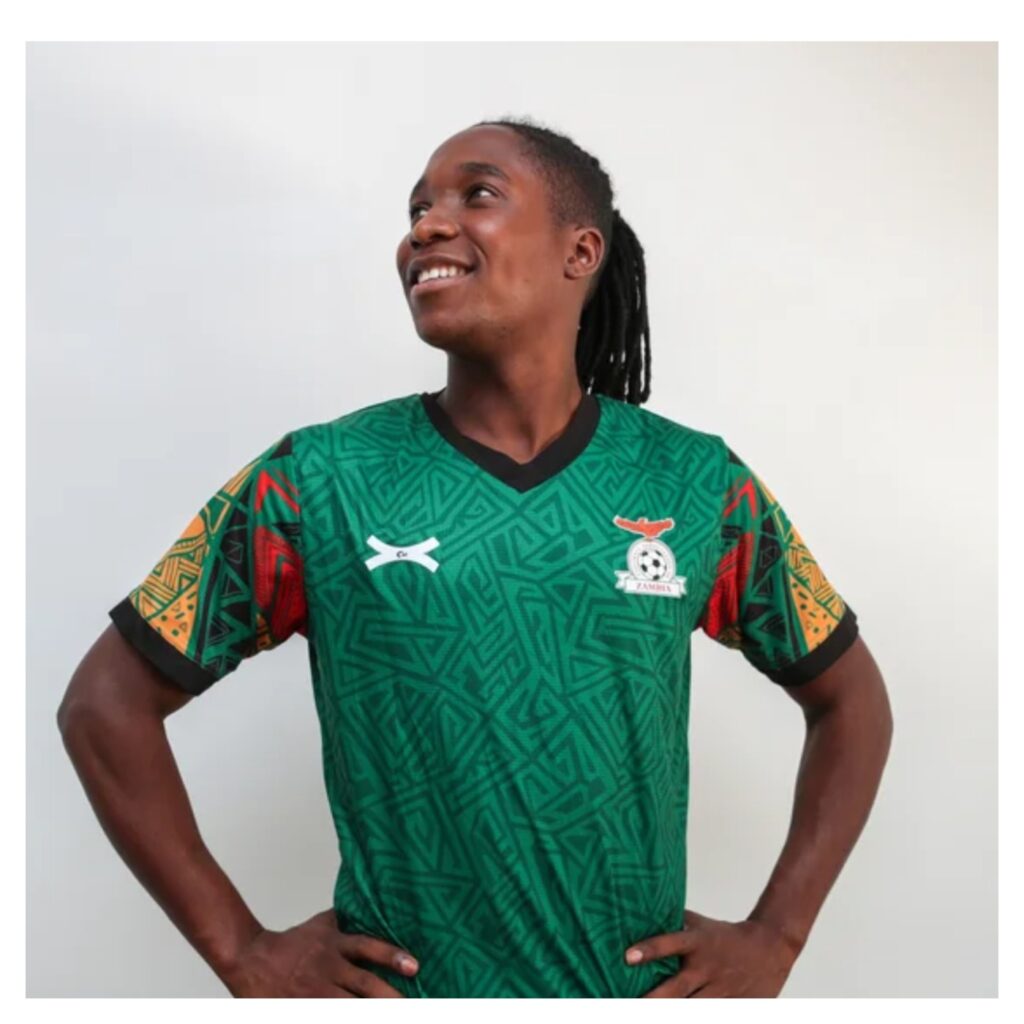
WAFCON 2026: Barbra Banda Leads Scoring with 5 Goals as Zambia Misses Semi-Finals
A turning point for African women's football
The 2026 edition of the CAF Women’s Africa Cup of Nations, staged in Morocco, has become a benchmark for the continent’s growing investment in women’s sport. Attendance figures have risen sharply compared with the 2022 tournament, and broadcasters from Europe and Asia secured rights deals that promise higher revenues for CAF and its member associations.
Beyond the numbers, the tournament is a crucial pathway to the 2027 FIFA Women’s World Cup, with the top three teams earning direct qualification. This raises the stakes for every match, turning the competition into a showcase for talent that can attract overseas club contracts and sponsorships for African players.
Barbra Banda’s goal‑scoring spree and Zambia’s early exit
Zambia’s 26‑year‑old striker Barbra Banda arrived in Morocco as a proven international, but she quickly turned heads by netting five goals in just three group‑stage games. Her tally placed her a goal clear of Ivory Coast’s Inès Konan, who sits second with four strikes.
Zambia’s campaign, however, hit a wall in the quarter‑finals where they fell 2‑1 to Morocco despite Banda’s brace. The defeat means she will not feature in the semi‑finals, ending what could have been a historic run for the Copper Queens. Sources close to the team said the loss was a blow not just to the squad’s morale but also to the marketability of Zambian women’s football at a critical moment.
What the top‑scorer’s absence means for the tournament
Banda’s early departure reshapes the narrative of the semi‑finals. Organisers had promoted her as the tournament’s marquee player, and her absence may affect viewership numbers, especially among Zambian diaspora communities in the UK and USA who were tracking her progress.
On the other hand, the vacuum creates space for other storylines. Inès Konan’s Ivory Coast, now the tournament’s second‑most‑prolific scorer, is poised to become the new face of the competition. Analysts argue that this shift could diversify the commercial appeal of WAFCON beyond a single star, encouraging sponsors to back a broader roster of athletes.
Economic ripple effects for African women’s football
Banda’s five‑goal haul has already sparked interest from European clubs, with reports that French Division 1 Féminine side Paris Saint‑Germain is monitoring her contract situation. If she secures a move abroad, the transfer fee—though modest by men’s standards—could become a benchmark for future deals involving African women players.
More importantly, her performance highlights the growing talent pipeline in Southern Africa. Football academies in Lusaka and Ndola have seen a surge in enrolments since the tournament began, a trend echoed in Ghana and Nigeria where youth participation rose by an estimated 12 % according to a CAF development report released in July.
Looking ahead: World Cup qualification and legacy building
With the semi‑finals set, the three teams that finish in the top‑three will lock in spots for the 2027 Women’s World Cup in Australia and New Zealand. Morocco, South Africa and either Ivory Coast or Nigeria are the likely qualifiers, but a surprise run from a lower‑seeded side could still rewrite the script.
Beyond the immediate qualification battle, the tournament’s legacy hinges on how CAF and national federations capitalize on the exposure. Initiatives announced during the opening ceremony—such as a pan‑African women’s league slated for 2028—could transform the competitive landscape, provided they receive sustained funding and media coverage.
Diaspora engagement and the future of fan culture
The African diaspora has become an essential audience for WAFCON, streaming matches on platforms like Showmax and YouTube. Social‑media analytics show a 35 % spike in hashtag usage for #BarbraBanda during the group stage, indicating that individual stars can drive digital engagement across continents.
If the tournament maintains this momentum, it could encourage more diaspora‑based investors to back women’s clubs back home, mirroring the recent trend of Nigerian tech entrepreneurs sponsoring local youth teams. Such cross‑border partnerships may be the key to building a financially viable ecosystem for African women’s football.
Quick Answers
Who is the top scorer at WAFCON 2026?
Zambia’s Barbra Banda leads the scoring chart with five goals.
Why won’t Barbra Banda play in the semi‑finals?
Zambia were eliminated in the quarter‑finals, ending Banda’s tournament.
How does WAFCON 2026 affect World Cup qualification?
The top three finishers will earn direct spots at the 2027 FIFA Women’s World Cup.
Source: dailypost.ng



💬 Comments 0