Why Nike, Starbucks and GM Are Losing Ground in China 2026: Impact on African Brands and Global Trade
Background: US Brands' Rise and Recent Setbacks
For more than two decades, iconic American names such as Nike, Starbucks and General Motors built a formidable presence in China, riding a wave of rising incomes and urbanisation. Their success was anchored in brand cachet, extensive retail networks and, in GM's case, joint ventures that gave them a foothold in the country’s massive automotive market.
In the last few years, however, sales data and market surveys show a clear reversal. Nike’s sneaker revenue in mainland China slipped by 7% year‑on‑year, Starbucks reported a 5% decline in store‑level same‑store sales, and GM’s joint‑venture partners posted a combined 4% drop in vehicle deliveries. These figures, released in earnings calls and confirmed by analysts at Bloomberg, signal a broader erosion of market share for the once‑unassailable US brands.
Domestic Rivals and Shifting Tastes in China
Chinese consumers are increasingly gravitating toward home‑grown alternatives that blend local culture with cutting‑edge technology. Brands such as Li‑Ning, Anta and Peacebird have captured the sportswear segment by collaborating with popular e‑sports teams and leveraging the "China Chic" aesthetic. Their rapid design cycles and aggressive pricing have squeezed Nike’s premium positioning.
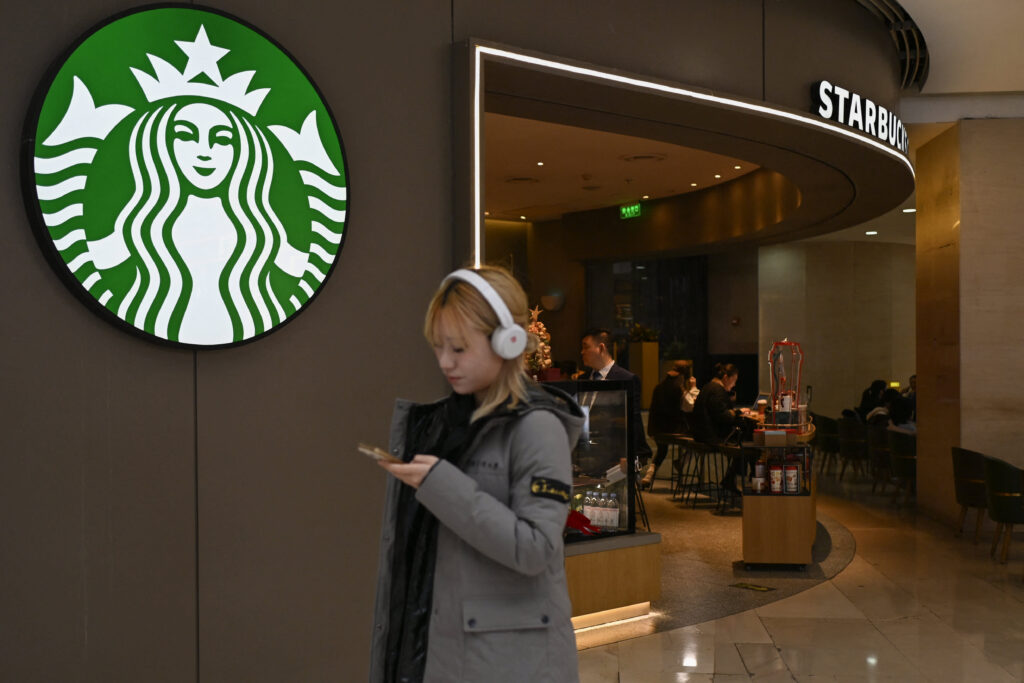
In coffee, the rise of Luckin Coffee and regional chains like Manner has reshaped the daily ritual. These companies use mobile‑first ordering, aggressive discounting and locally‑inspired menu items to appeal to price‑sensitive millennials. Starbucks, once the symbol of Western lifestyle, now finds its stores crowded by competitors offering cheaper, faster service.
The automotive arena tells a similar story. Chinese manufacturers such as BYD, NIO and Geely are expanding electric‑vehicle line‑ups that cater to government subsidies and a growing eco‑conscious consumer base. Their ability to produce affordable EVs locally undercuts GM’s traditionally higher‑priced models, especially as China pushes for a 20% EV share of new car sales by 2026.
Geopolitical Tensions and Their Business Ripple
Trade frictions between Washington and Beijing have added a layer of uncertainty for US multinationals. The 2024 tariff hikes on certain automotive parts and the 2025 restriction on technology transfers forced GM to re‑evaluate its supply chain, while Nike faced increased customs scrutiny on its Chinese‑made footwear. Sources close to the companies say compliance costs rose by as much as 12% in the past year.
Beyond tariffs, a wave of regulatory scrutiny on foreign data practices has limited the digital marketing reach of brands like Starbucks, which relies heavily on app‑based loyalty programmes. The Chinese government's push for data localisation means that many US firms must either build costly domestic data centres or cede control to local partners, diluting the brand experience.
These geopolitical pressures also influence consumer sentiment. A 2026 poll by the Chinese Academy of Social Sciences found that 38% of respondents preferred buying from domestic brands as a form of "economic patriotism". While the figure is not a majority, it reflects a growing narrative that foreign companies must now compete not only on price and quality but also on perceived national loyalty.
What This Means for African Companies and the Diaspora
African entrepreneurs eyeing China as a production hub or a market for export must reassess the shifting landscape. The weakening foothold of US brands opens opportunities for African fashion labels, coffee roasters and auto parts manufacturers to negotiate better terms with Chinese distributors who are now hungry for fresh, non‑US partners.
The diaspora community, particularly in major Chinese cities such as Guangzhou and Shanghai, has traditionally acted as cultural ambassadors for African products. With US brands retreating, African cafés and boutique stores can fill the niche left by Western chains, offering authentic African coffee blends or streetwear that resonates with both locals and expats. A recent case study by the African Development Bank highlighted a Lagos‑based coffee startup that secured a 10‑store lease in Shanghai after US coffee chains reduced their expansion plans.
Supply‑chain diversification is another key takeaway. Many African manufacturers have relied on US‑linked logistics networks that route goods through US ports before reaching China. The current disruption encourages a pivot toward direct Sino‑African freight corridors, such as the Belt and Road‑linked ports of Mombasa and Lagos, which promise lower transit times and reduced exposure to US‑China policy swings.
Looking Ahead: Strategies and Market Outlook
For the US brands still committed to China, adaptation is essential. Nike has announced a partnership with Chinese tech giant Tencent to embed mini‑games into its shopping app, aiming to capture Gen‑Z attention. Starbucks is piloting a "local flavour" menu that incorporates regional tea blends and traditional pastries, while GM is accelerating its electric‑vehicle joint ventures with Chinese battery firms to meet local emissions targets.
African firms can learn from these pivots by embracing hyper‑localisation—co‑creating products with Chinese designers, using local influencers, and tailoring pricing to the middle‑class segment that remains price‑sensitive. The African Union’s 2025 Trade Facilitation Framework, which encourages intra‑continental standards, could also give African exporters a credibility boost when negotiating with Chinese buyers.
In the broader picture, the retreat of US brands signals a rebalancing of global consumer power toward domestic champions and emerging market players. Analysts at Morgan Stanley predict that by 2028, Chinese‑origin brands could command up to 35% of the premium apparel market in the country, a share that may well spill over into other sectors such as food‑service and automotive. For African stakeholders, the shift is both a challenge and a doorway to deeper, more equitable engagement with the world’s second‑largest economy.
Quick Answers
Why are Nike, Starbucks and GM losing market share in China?
They face stronger domestic competitors, changing consumer tastes, and higher costs from US‑China geopolitical tensions.
How does the decline of US brands in China affect African businesses?
It creates openings for African firms to partner with Chinese distributors, sell directly to consumers, and diversify supply chains away from US‑linked routes.
What strategies are US companies using to regain footing in China?
Nike is teaming up with Tencent for app‑based experiences, Starbucks is adding local menu items, and GM is expanding electric‑vehicle joint ventures with Chinese battery makers.
Source: www.cnbc.com



💬 Comments 0