Yemen families flee war: 1.2 million displaced, hunger spikes, water crisis hits 2026
Background: a decade‑long conflict and a collapsing humanitarian system
Since the Houthi insurgency seized Sana’a in 2014, Yemen has been locked in a multi‑front war that pits the Iran‑backed rebels against a Saudi‑UAE‑led coalition supporting the internationally recognised government. The fighting has devastated infrastructure, shredded health services and left the country’s economy in tatters. According to the United Nations, more than 20 million Yemenis – two‑thirds of the population – now need humanitarian assistance, a figure that has risen steadily each year.
The war’s most lethal phases have been the aerial campaigns that targeted ports, oil facilities and power stations, turning the Red Sea corridor into a danger zone for commercial shipping. Blockades have choked off imports of food, medicine and fuel, while the destruction of water treatment plants has left millions without safe drinking water. International donors have struggled to keep up, with aid budgets slipping after a wave of donor fatigue in 2023.
In the past twelve months, a fragile cease‑fire in the north collapsed, prompting a fresh surge of ground battles around Marib and the coastal governorates of Hodeidah and Al‑Mahra. Those clashes have forced families to abandon homes they have lived in for generations, adding a new layer of displacement to an already massive internal refugee pool.
The latest displacement wave: hunger, water scarcity and the human cost
UN OCHA reported in August 2026 that an additional 1.2 million people have been displaced since May, bringing Yemen’s total internally displaced population to an estimated 8.5 million. The new wave is concentrated in the southern governorates, where shelling has destroyed market stalls and cut off the main supply routes from the port of Aden. Families are trekking on foot for up to 30 kilometres to reach makeshift camps that lack basic sanitation.
Food insecurity has sharpened dramatically. The Integrated Food Security Phase Classification (IPC) now places 73 percent of the population in the ‘Crisis’ or ‘Emergency’ categories, up from 58 percent a year earlier. Staple grains such as wheat and rice have become scarce, and prices have risen by more than 50 percent in the informal markets of Taiz, according to a recent report by the World Food Programme. Malnutrition rates among children under five have spiked to 31 percent, a level not seen since 2017.
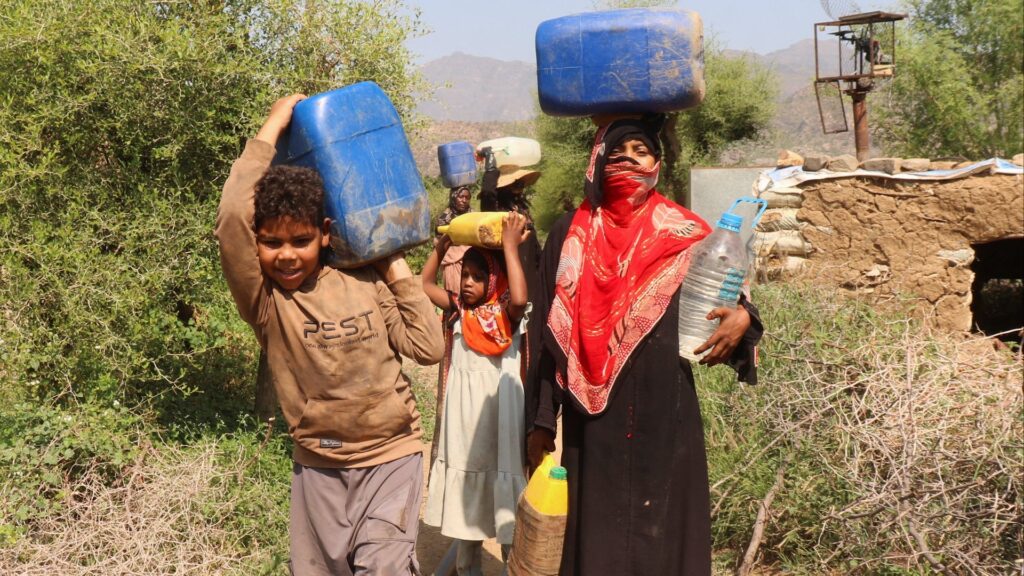
Water shortages are equally alarming. Damage to the Al‑Mahra desalination plant, which supplied 60 percent of the region’s potable water, has left an estimated 1.4 million people reliant on unsafe wells. Outbreaks of cholera and diarrhoeal disease are reported weekly in the camps of Al‑Mokha, prompting the WHO to issue an emergency health advisory. Without rapid repair of water infrastructure, the humanitarian situation could deteriorate into a full‑scale public‑health crisis.
Regional ripple effects: the Horn of Africa, Red Sea trade and diaspora links
The displacement crisis is not confined within Yemen’s borders. Refugees have begun crossing the narrow Bab‑al‑Mandeb strait into Djibouti and Eritrea, joining already strained refugee flows from Ethiopia’s Tigray conflict. The UN High Commissioner for Refugees (UNHCR) estimates that 45 000 Yemenis have entered Djibouti since June, overwhelming reception centres that were designed for half that number. This secondary displacement adds pressure to the Horn of Africa’s fragile economies, which are already grappling with drought and food price inflation.
The Red Sea’s commercial arteries have also felt the shock. Shipping firms have rerouted vessels around the Cape of Good Hope to avoid Houthi missile attacks, inflating global freight costs by an estimated 12 percent. For African exporters of coffee, tea and minerals, the higher freight rates erode profit margins and make African products less competitive in European markets. The International Maritime Organization warned that continued instability could force a permanent shift in trade routes, reshaping the logistics landscape for East African ports such as Mombasa and Dar es Salaam.
Yemen’s diaspora in the United Kingdom, United Arab Emirates and the United States has mobilised a wave of private remittances to support relatives on the move. However, banking restrictions imposed by the coalition’s sanctions regime have slowed transfers, leaving many families without the lifeline they once relied on. Community organisations in London’s Tower Hamlets and New York’s Queens have launched crowdfunding campaigns, yet the funds raised cover only a fraction of the estimated $4 billion needed for emergency shelter and food this year.
Why it matters for Africa: food security, migration pressures and aid competition
Africa’s food security outlook is increasingly interconnected with Yemen’s crisis. The Red Sea is a conduit for grain shipments from the Black Sea and the Gulf of Mexico to North Africa and the Sahel. Disruptions in Yemeni ports reduce the throughput capacity of the corridor, forcing import‑dependent nations like Sudan and Chad to seek alternative, costlier routes. The World Bank warns that a prolonged blockage could raise cereal prices across the continent by up to 8 percent, tightening already narrow food‑budget margins for millions of households.
Migration dynamics are shifting as well. The United Nations Migration Agency (IOM) projects that by 2028, up to 250 000 Yemenis could seek asylum in East African nations, adding to the existing refugee populations from Somalia and South Sudan. Host governments, already stretched by climate‑driven displacement, may face heightened political tension over resource allocation, schooling and health services. Early warning systems in Ethiopia’s Somali region have begun to flag potential cross‑border movements, urging regional bodies to coordinate response mechanisms.
Finally, the competition for donor dollars is intensifying. With the United Nations appealing for $13 billion to fund Yemen’s 2026‑2027 humanitarian plan, donor states are forced to balance that need against crises in the Sahel, the Democratic Republic of Congo and the aftermath of the 2025 Mozambique floods. African NGOs argue that Yemen’s plight is being used as a bargaining chip in geopolitical negotiations, risking a diversion of funds that could otherwise bolster African resilience programmes.
What’s next: diplomatic overtures, humanitarian corridors and long‑term solutions
In September 2026, the United Nations convened a special session in Geneva, urging the warring parties to honour a newly drafted “Humanitarian Access Agreement.” The proposal, backed by the European Union and the Gulf Cooperation Council, calls for a demilitarised corridor linking the ports of Aden and Hodeidah to inland distribution hubs. If accepted, the corridor could restore the flow of food and medical supplies for an estimated 4 million people in the south.
Humanitarian organisations are also scaling up cash‑based assistance (CBA) programmes, which allow displaced families to purchase food and water locally, thereby supporting the regional market. The International Committee of the Red Cross (ICRC) announced a $150 million fund to expand CBA in the Marib governorate, citing evidence that cash transfers reduce the risk of famine and improve protection outcomes for women and children.
Long‑term stability will hinge on a political settlement that addresses the underlying grievances of the Houthi movement and the southern separatist factions. Analysts at the African Union’s Centre for Conflict Resolution note that a negotiated power‑sharing deal could open the door for Yemen to re‑engage with the African Development Bank, unlocking infrastructure loans for water treatment and renewable energy projects. Such investments would not only alleviate the immediate crisis but also create trade links that benefit East African economies for decades to come.
Quick Answers
How many Yemenis have been displaced by the war in 2026?
An additional 1.2 million people were displaced since May 2026, raising the total internally displaced population to about 8.5 million.
What impact does Yemen’s crisis have on African food prices?
Disruptions at Red Sea ports can raise cereal prices across Africa by up to 8 percent, straining food‑budget margins for millions.
Are there plans to create humanitarian corridors in Yemen?
Yes, a UN‑backed proposal seeks a demilitarised corridor linking Aden and Hodeidah to inland hubs, aiming to restore food and medical deliveries.
Source: www.aljazeera.com




💬 Comments 0