15 Killed in Kyiv Air‑Defence Shortage Attack 2026 – Implications for Ukraine and African Arms Markets
Background: Ukraine’s dwindling air‑defence stockpiles
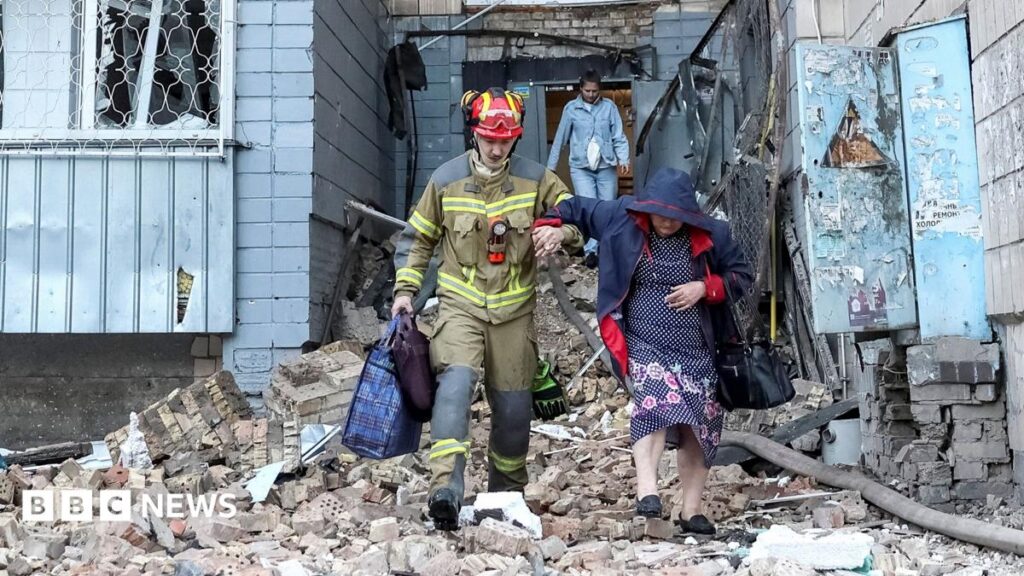
On Thursday, a coordinated strike on Kyiv hit residential apartments and a warehouse complex, leaving at least 15 civilians dead and dozens more injured. Ukrainian officials described the raid as a "massive attack" that exploited gaps in the capital’s air‑defence shield, a problem that has been mounting since the start of 2026 when Western supplies slowed and Russian missile stocks surged.
Since the war began, Kyiv has relied heavily on foreign‑made surface‑to‑air systems such as the Patriot, NASAMS and the newer German IRIS‑T. However, production bottlenecks in the United States and Europe, coupled with the redirection of some systems to the Middle‑East, have left Ukraine scrambling for replacements. The shortage has forced the military to rotate older Soviet‑era S‑300 batteries more frequently, stretching their operational life beyond intended limits.
Analysts at the International Institute for Strategic Studies note that the shortfall is not just a logistical hiccup; it reflects a broader shift in NATO’s resource allocation as the alliance confronts multiple flashpoints, from the Taiwan Strait to the Sahel. The Kyiv attack therefore serves as a litmus test for how well Ukraine can sustain its defence without a steady influx of modern interceptors.
Why the attack matters beyond Ukraine’s borders
The loss of life in Kyiv reverberates across Africa, where several nations have long depended on Russian air‑defence hardware to counter insurgencies and protect critical infrastructure. Countries such as Mali, the Central African Republic and Sudan have procured S‑300 and Buk systems from Moscow, often as part of broader security packages that include training and spare‑parts support.
With Russia’s own stockpiles being drained by its war in Ukraine, African customers are facing longer delivery times and higher prices for spare components. According to a senior official at a Nairobi‑based defence consultancy, “the Ukrainian front is pulling Russian inventory away from Africa, forcing many governments to look elsewhere for reliable air‑defence solutions.” This shift could accelerate the continent’s turn toward Western suppliers, reshaping the balance of arms trade on the continent.
The diaspora angle also matters. An estimated 200,000 Nigerians and other West Africans live in Ukraine, many as students or workers. The recent strike reignited fears within the community about personal safety and prompted the Nigerian embassy in Kyiv to issue an urgent advisory, urging citizens to register with consular services and consider temporary relocation.
Connecting the dots: a pattern of supply‑chain strain in global conflicts
The Kyiv air‑defence gap is part of a growing pattern where high‑intensity wars strain the global supply chain for advanced weaponry. In 2024, the United Nations reported a 22% rise in demand for anti‑air missiles across conflict zones, outpacing production capacity in the United States and Europe. The same report highlighted that African states were among the fastest-growing customers, driven by deteriorating security situations in the Sahel and the Horn of Africa.
Parallel to Ukraine’s shortage, the conflict in Yemen has seen Yemeni government forces struggle to replace lost Patriot batteries after a series of Houthi attacks. Both cases illustrate how prolonged wars force buyers to stretch older systems, rely on refurbished equipment, or turn to illicit markets. The trend raises the risk of accidents, reduced effectiveness, and the proliferation of outdated technology to non‑state actors.
For African policymakers, the lesson is clear: dependence on a single supplier—whether Russian or Western—creates strategic vulnerability. Diversifying procurement, investing in domestic maintenance capabilities, and establishing regional stockpiles are strategies that several African defence ministries are now publicly exploring, according to statements from the African Union’s Peace and Security Council.
Reactions: From Kyiv to African capitals
Ukrainian President Volodymyr Zelenskyy condemned the attack as a “deliberate attempt to break the will of our people” and called on allies to accelerate deliveries of modern interceptors. In a televised address, he highlighted the human cost, emphasizing that each civilian casualty deepens the resolve to resist aggression.
In Lagos, Nigeria’s Minister of Defence, Mohammed Badaru Abubakar, met with representatives from local defence firms to discuss the feasibility of joint ventures that could assemble or refurbish air‑defence components locally. While no official procurement was announced, the meeting signalled a willingness to explore alternatives to Russian hardware that may become scarce.
European Union officials, meanwhile, reiterated their commitment to the “Ukraine‑first” principle for military aid, but hinted at a possible re‑allocation of certain surplus stocks to African partners under the EU’s “Strategic Partnership for Stability” framework. The move aims to both support African security and relieve pressure on European depots that are currently stretched thin.
What’s next: Potential shifts in the African arms landscape
If Ukraine’s air‑defence shortage persists, the immediate effect could be a surge in demand for Western systems among African states. Companies like Raytheon and BAE Systems have already reported an uptick in enquiries from African ministries seeking short‑term leasing options for Patriot or Skyshield batteries. Such contracts often include training and life‑cycle support, which could boost local technical expertise over time.
However, cost remains a barrier. A full Patriot battery can run into tens of millions of dollars, a price tag many African budgets cannot absorb without external financing. To bridge the gap, the United States has hinted at expanding its “Foreign Military Financing” (FMF) program to include air‑defence aid for select African partners, a proposal that would require congressional approval.
In the longer term, the crisis may accelerate home‑grown solutions. Nations like South Africa, which already produces the Umkhonto air‑defence missile, could see renewed interest in scaling up production for export. Regional cooperation mechanisms, such as the African Defence Industrial Development Programme (ADIDP), may gain traction as African states seek to reduce reliance on external actors and build resilient supply chains capable of withstanding global shocks.
Quick Answers
How many people were killed in the Kyiv air‑defence attack of 2026?
At least 15 civilians were confirmed dead after the strike on Kyiv’s apartment blocks and a warehouse.
Why could Ukraine’s air‑defence shortage affect African countries?
Russia’s diverted missile stockpiles to Ukraine mean fewer spare parts and new systems for African nations that buy Russian air‑defence gear, prompting a shift toward Western suppliers.
What options do African states have to replace dwindling Russian air‑defence equipment?
They can seek Western leasing deals, apply for U.S. FMF assistance, or invest in regional production programmes such as South Africa’s Umkhonto missile project.
Source: www.bbc.co.uk




💬 Comments 0