Iranian drone hits residential building in Kuwait City, no casualties – Sep 3 2026
Background: Iran’s drone campaign in the Gulf
Since early 2024, Tehran has intensified the use of unmanned aerial vehicles to pressure Gulf states that host U.S. forces. The strategy, outlined in a series of speeches by Iran’s Revolutionary Guard commander, is to demonstrate reach without committing to full‑scale missile attacks. Drones have become the preferred tool because they are cheaper, harder to trace and can be launched from the sea or from remote desert bases.
The pattern has included strikes on Saudi oil facilities, attacks on UAE shipping lanes and occasional incursions over Iraqi airspace. Each episode is timed to coincide with diplomatic flashpoints – for example, the November 2025 Iranian‑U.S. naval standoff that saw a swarm of drones over the Strait of Hormuz. Analysts say the campaign is meant to force Gulf governments into negotiating on Tehran’s nuclear and regional demands.
Kuwait, while officially neutral, hosts a significant U.S. military presence, including the Fifth Fleet’s forward base at Al‑Khalid. This makes it a symbolic target for Iran, even if the country has avoided direct confrontation since the 1990‑91 Gulf War. The recent drone incident adds Kuwait to the growing list of nations that have felt the spill‑over of Iran’s aerial tactics.
The Kuwait City incident: what happened
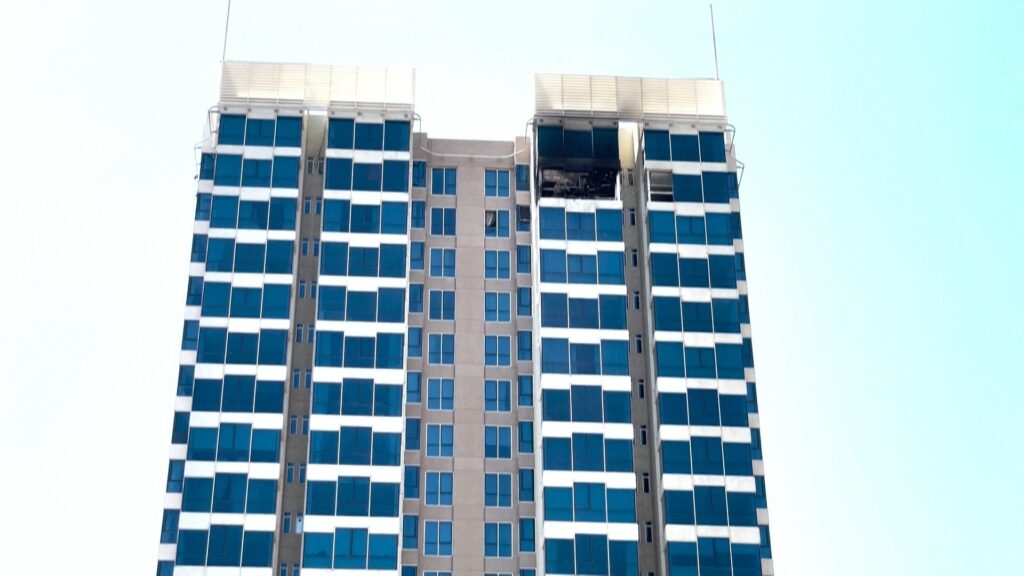
On the afternoon of September 3, 2026, residents of Kuwait’s Sharq district heard a low‑rumbling sound followed by a sharp impact near Al‑Shuwaikh Street. Security cameras captured a small, quad‑copter‑style drone descending and striking a three‑storey residential block. The building’s façade was punctured, and a portion of the roof collapsed, but emergency services reported no injuries or fatalities.
Kuwaiti authorities quickly cordoned off the site, dispatched fire‑fighters and bomb‑disposal units, and began a forensic sweep for any additional explosive devices. The Ministry of Interior released a brief statement confirming the drone was of Iranian origin, citing the vehicle’s serial markings and flight path data recovered from the wreckage. No group claimed responsibility, but Iranian state media later hinted at “defensive measures against hostile forces.”
The incident sparked an immediate temporary lockdown of nearby streets and a short‑term curfew in the neighbourhood. Power and water supplies were restored within hours, and the damaged apartments were evacuated for safety checks. While the physical damage was limited, the psychological impact on residents—who have not experienced such attacks in decades—has been significant.
Why the strike matters beyond Kuwait
The attack underscores a widening security dilemma for the Gulf, where small‑scale drone incursions can trigger disproportionate diplomatic fallout. For oil‑exporting nations, any hint of instability raises concerns about supply disruptions, prompting traders to hedge against price spikes. Indeed, crude futures on the Dubai Mercantile Exchange edged up 0.4 % in the hours after the news broke, reflecting market anxiety.
African economies that depend heavily on Gulf oil imports—Nigeria, South Africa and Kenya among them—watch these developments closely. A sustained escalation could force regional refiners to seek alternative suppliers or accelerate investments in renewable energy, reshaping trade flows that have been stable for decades. Moreover, African sovereign wealth funds with holdings in Gulf petro‑chemical firms may see portfolio volatility spike.
Beyond commodities, the incident raises questions about the safety of diaspora communities. Kuwait hosts a sizable African expatriate population, especially from Egypt, Sudan and Ethiopia, many of whom work in construction and services. Although none were harmed this time, the threat of future drone attacks could affect labor mobility and the willingness of African workers to accept contracts in the Gulf.
Reactions across the region and African interests
Kuwait’s Emir, Sheikh Nawaf Al‑Ahmad Al‑Jaber, condemned the strike as a violation of international law and pledged “swift and decisive” measures to protect civilians. The Kuwaiti parliament called for an emergency session to discuss bolstering air‑defence systems, a move that could involve purchasing U.S. Patriot batteries or French‑made SAMP‑T systems.
Saudi Arabia and the United Arab Emirates issued joint statements urging the United Nations to label the drone attacks as “terrorist acts” and to consider collective security measures. Meanwhile, the African Union’s Department of Peace and Security released a brief note reminding member states that any escalation in the Gulf threatens African citizens and investments abroad.
In Lagos, the Nigerian Ministry of Foreign Affairs warned its nationals in Kuwait to stay vigilant and offered to assist with emergency repatriation if the security situation deteriorates. Nigerian oil companies with downstream operations in the Gulf also flagged the incident in internal risk assessments, noting that any disruption could affect crude shipments to Nigerian refineries.
What’s next: security and market implications
Experts predict that Kuwait will accelerate its procurement of counter‑drone technology, a market that has seen rapid growth worldwide. Companies based in Israel, the United Kingdom and the United States are already courting Gulf buyers with radar‑guided jammers and laser‑based interception systems. If Kuwait adopts such tools, the cost could run into hundreds of millions of dollars, a budgetary strain for a nation that has traditionally relied on U.S. security guarantees.
For African investors, the key takeaway is to monitor the risk premium on Gulf‑linked assets. Hedge funds with exposure to Saudi Aramco, UAE’s ADNOC or Qatar’s LNG projects may adjust their positions if drone attacks become a recurring threat. Conversely, African renewable‑energy firms could find new financing opportunities as Gulf states look to diversify away from volatile fossil‑fuel markets.
Diplomatically, the incident may push the United Nations and the Gulf Cooperation Council to revisit existing arms‑control dialogues with Tehran. A coordinated response that includes African states—particularly those with strategic maritime interests in the Red Sea and the Indian Ocean—could help shape a broader, multilateral framework for drone regulation in the region.
Quick Answers
Did anyone get injured in the Iranian drone strike on Kuwait City?
No injuries or fatalities were reported; authorities said the damage was limited to the building’s structure.
How might the Kuwait drone attack affect African oil imports?
Any Gulf instability can raise crude prices and prompt African refiners to seek alternative supplies, potentially increasing costs for countries like Nigeria and Kenya.
What security steps is Kuwait likely to take after the drone incident?
Kuwait is expected to accelerate purchases of counter‑drone and air‑defence systems, possibly including U.S. Patriot missiles or European laser‑based interceptors.
Source: www.aljazeera.com



💬 Comments 0