2026 Nepal Floods: Himalayan Melt Threatens India and Highlights Climate Risks for Africa
Background: a historic deluge in the Himalayas
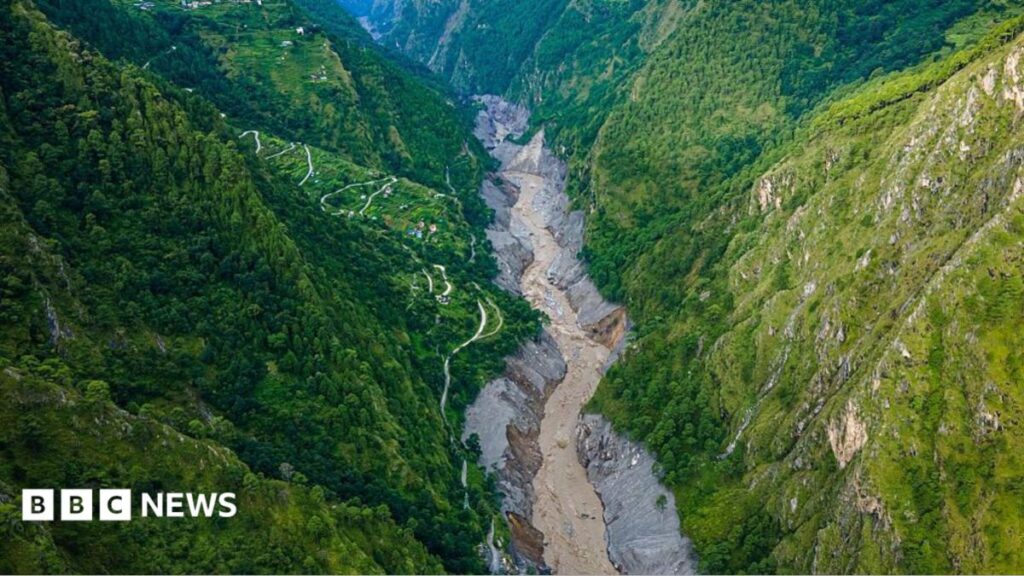
In late August 2026 torrential rains triggered a series of flash floods across Nepal's central and eastern valleys, swallowing villages, toppling bridges and displacing over 150,000 residents, according to the Nepalese government’s disaster management agency. The disaster follows a pattern of increasingly severe monsoon events that have been linked to a warming climate in the Himalayan region, where glaciers are receding at an unprecedented rate.
The Himalayan watershed feeds the Ganges‑Brahmaputra river system, a lifeline for more than 600 million people in South Asia. When heavy rains combine with glacial melt, the downstream flow can surge dramatically, overwhelming flood‑control infrastructure that was designed for a cooler, more predictable climate. This year’s event is the most lethal in Nepal since the 2015 monsoon season, which killed over 1,000 people.
Scientists from the International Centre for Climate Services (ICCS) note that the frequency of extreme precipitation events in the Himalayas has risen by roughly 20 percent over the past two decades. While the exact trigger for the 2026 floods is still being investigated, satellite data show an anomalous warm air mass that moved over the region in early August, creating the perfect conditions for a catastrophic downpour.
Why the floods matter for India and the wider sub‑continent
The Ganges‑Brahmaputra basin, which receives the bulk of Nepal’s runoff, is a critical economic engine for India. The floods have already swelled the Kosi and Gandak rivers, prompting emergency alerts in Bihar and Uttar Pradesh. According to India’s Ministry of Home Affairs, more than 300,000 people have been moved to temporary shelters in the affected Indian districts, and agricultural losses could top $2 billion if the waters do not recede quickly.
Beyond the immediate humanitarian toll, the deluge threatens to disrupt the monsoon timing that Indian farmers rely on for sowing winter crops such as wheat and barley. A delayed or erratic monsoon can trigger a cascade of food‑security challenges, potentially pushing staple prices higher across South Asia and even influencing global grain markets, where India is a top exporter.
Regional leaders have warned that unchecked climate volatility could strain the already fragile Indo‑Nepal water‑sharing agreements. If the Ganges tributaries experience more frequent high‑water events, both nations may be forced to renegotiate flood‑management protocols, a process that could take years and involve costly infrastructure upgrades.
The African connection: shared climate challenges and financing
For African policymakers, the Nepal floods are a stark reminder that climate risks are trans‑regional. The Inter‑African Climate Change Programme (IACC) has highlighted that altered Asian monsoon patterns can ripple into the Sahel, where seasonal rains are closely tied to the Indian Ocean’s atmospheric dynamics. A weakened monsoon could reduce the moisture flux that eventually feeds the West African Monsoon, potentially aggravating drought conditions in Nigeria, Mali and Burkina Faso.
African diaspora NGOs are already mobilising resources to support relief efforts in Nepal, leveraging the same networks that respond to climate emergencies in East Africa. For example, the Kenya‑based charity ClimateAid has launched a crowdfunding drive that aims to raise $500,000 for Nepalese families, while also raising awareness about the interconnectedness of climate impacts across continents.
The event also shines a light on the growing demand for climate‑finance mechanisms that cut across borders. The Green Climate Fund (GCF) has recently approved a $200 million program to bolster early‑warning systems in the Himalaya, a model that African nations hope to replicate for the Congo Basin and the Horn of Africa. By learning from Nepal’s experience, African countries can better argue for bundled financing that addresses multiple vulnerable regions in a single package.
What’s next: policy responses and regional cooperation
In the wake of the disaster, the South Asian Association for Regional Cooperation (SAARC) has called for an emergency summit to discuss a joint Himalayan flood‑risk framework. The proposal includes sharing real‑time hydrological data, standardising flood‑risk maps, and creating a regional emergency fund that could be accessed by any member state hit by a similar event.
India’s Ministry of Environment, Forest and Climate Change announced a $1 billion allocation for upgrading river‑bank protection and expanding the capacity of existing dams in the Ganges basin. The plan also earmarks funds for community‑based climate resilience projects, such as climate‑smart agriculture and flood‑resilient housing, which could serve as a blueprint for African rural development programmes.
Experts say that without a coordinated trans‑border approach, the costs of future floods will outpace any singular national investment. According to a report by the World Bank, a 10 percent increase in extreme rainfall events in the Himalaya could add $15 billion to the economic losses in South Asia by 2030, a figure that would reverberate through global supply chains, including those that feed African textile and food‑processing sectors.
Implications for African readers and diaspora communities
For Africans living abroad, especially in the UK, US and Canada, the Nepal floods underscore the urgency of advocating for stronger climate policies at home. Many diaspora groups have been vocal about the need for their host governments to allocate more climate‑adaptation aid to vulnerable regions, arguing that climate justice must be global, not selective.
Entrepreneurs in the African tech scene are watching the situation closely, as it could spur demand for low‑cost flood‑monitoring sensors and AI‑driven early‑warning platforms—technologies that have already been piloted in Kenya’s coastal counties. A successful deployment in the Himalaya could open new export markets for African innovators, creating a feedback loop where climate challenges become economic opportunities.
Finally, the floods remind African readers that climate change is a shared security threat. Whether it’s the melting glaciers of the Himalaya or the drying lakes of the Sahel, the same atmospheric processes are at work. Building regional resilience, investing in climate data, and fostering cross‑continental solidarity are the pathways to safeguard lives and livelihoods on both sides of the Indian Ocean.
Quick Answers
How did the 2026 Nepal floods affect India’s monsoon season?
The floods raised water levels in key tributaries of the Ganges, prompting emergency alerts and potentially delaying the monsoon rains that Indian farmers depend on for sowing winter crops.
Why should African countries care about a flood in the Himalayas?
Changes in the Asian monsoon can influence the West African Monsoon, affecting seasonal rains in the Sahel, while shared climate‑finance mechanisms offer African nations a model for funding their own flood‑risk projects.
What regional actions are being proposed after the Nepal floods?
SAARC is planning an emergency summit to create a joint flood‑risk framework, and India has earmarked $1 billion for river‑bank protection and community resilience in the Ganges basin.
Source: www.bbc.co.uk




💬 Comments 0