2 billion South Asians hit by cost‑of‑living surge from Middle East wars, 2026
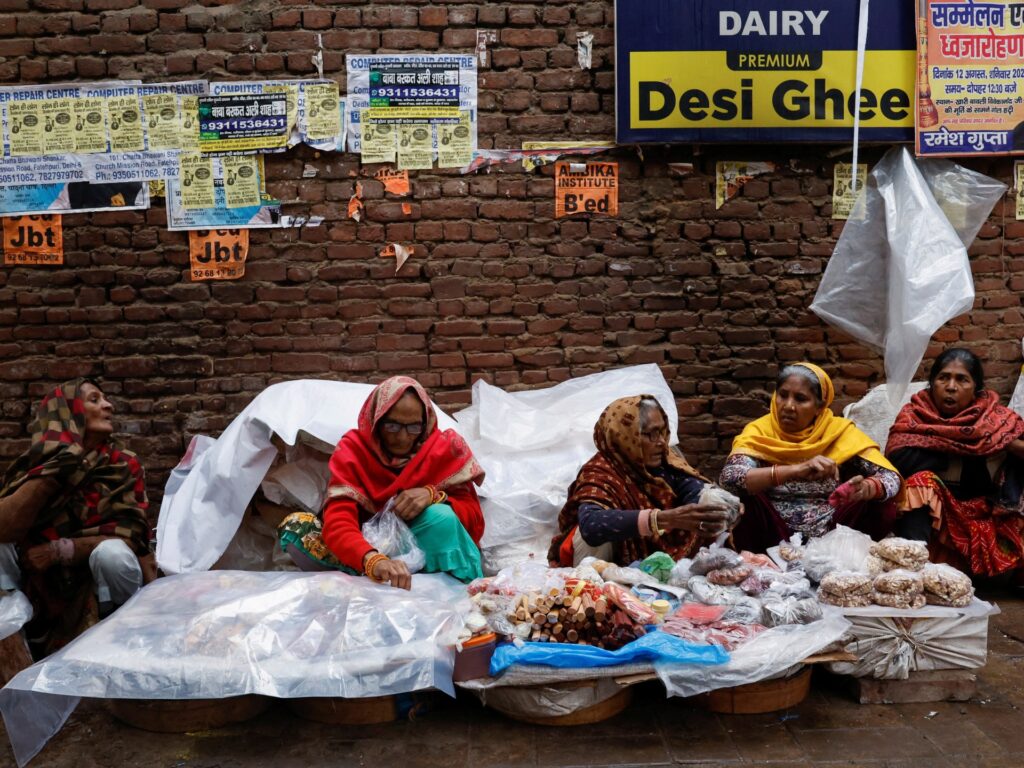
The hidden toll of Middle East wars on South Asia
When rockets streak over Gaza or oil tankers idle off the Iranian coast, the headlines focus on the immediate victims. Yet a quieter crisis is rippling across the Indian subcontinent, where an estimated two‑billion people now face higher food bills, tighter household budgets and a growing sense of insecurity.
The United Nations’ latest food‑price index shows a 12 percent jump since the start of 2024, a rise driven largely by disruptions in wheat and edible‑oil markets linked to the wars in the Middle East. For families in Delhi, Karachi or Dhaka, the abstract notion of a “global conflict” translates into longer queues at grain markets and fewer meals on the table.
How global commodity chains transmit conflict shocks
The Middle East supplies roughly 30 percent of the world’s edible‑oil and a sizable share of wheat imports for South Asia. When the Red Sea shipping lanes were blocked by Houthi attacks in 2025, freight costs surged, pushing the price of imported wheat up by more than $150 per tonne, according to data from the International Trade Centre.
At the same time, sanctions on Iran have curtailed its oil output, tightening global crude supplies and nudging fuel prices higher. Higher transport costs cascade through the supply chain, inflating the price of everything from rice to fresh vegetables that travel by road from inland farms to megacities.
The human cost: families across India, Pakistan and Bangladesh
In the suburbs of Mumbai, a mother named Ayesha recalls skipping a weekly grocery trip because the price of a kilogram of basmati rice has risen from ₹40 to ₹55. Her teenage son, who once helped with a part‑time tutoring job, now stays home to watch his younger siblings, fearing they might fall ill from malnutrition.
Similar stories echo in Lahore, where a father of four has cut back on school fees, and in Chittagong, where fishermen report that the cost of diesel for their boats has doubled, eroding already thin profit margins. A recent survey by the South Asian Development Forum found that 68 percent of households now consider food insecurity a “major concern.”
Parallel pressures in Africa and shared vulnerabilities
African nations are feeling the same reverberations. Kenya’s maize imports from Ukraine and Russia have become more expensive after the Red Sea disruptions, while Ethiopia’s reliance on imported wheat has made it vulnerable to the same price spikes that are hitting South Asia.
Both continents share a heavy dependence on external grain supplies and limited domestic storage capacity. The pandemic‑era push for “food self‑sufficiency” has stalled, leaving millions of Africans and South Asians exposed to the same geopolitical risk. Diaspora communities in London, Toronto and New York are also watching their remittance budgets shrink as families back home tighten their belts.
What policymakers and diaspora can do
Governments in India, Pakistan and Bangladesh have begun to tap strategic reserves, but experts say the stockpiles are insufficient for a prolonged price surge. The World Bank recommends expanding regional grain‑buffer schemes and investing in climate‑resilient crops that are less dependent on imported inputs.
Diaspora groups can play a role by channeling remittances into community food banks or micro‑finance projects that support smallholder farmers. A pilot programme in Nairobi’s Kibera slum, funded by the Kenyan diaspora, has already helped 1,200 households grow millet on vacant plots, reducing their reliance on volatile market prices.
Looking ahead: food security and geopolitical risk
Analysts warn that if the Middle East conflicts persist, the next wave of price hikes could push the number of South Asians living below the food‑poverty line above 350 million. The International Food Policy Research Institute (IFPRI) projects a 0.8 percent dip in the region’s GDP by 2028 if corrective measures are not taken.
In the longer term, diversifying import sources, boosting local grain processing capacity and negotiating safer maritime corridors will be essential. The lesson for Africa and South Asia alike is clear: distant wars can quickly become domestic crises, and preparedness must move from rhetoric to concrete, community‑level action.
Quick Answers
Why are South Asian food prices rising despite no local conflict?
Wars in the Middle East have disrupted wheat and edible‑oil exports and raised shipping costs, which flow through global supply chains and increase food prices in South Asia.
How are African countries affected by the same Middle East wars?
African nations also rely on imported grains and oil; Red Sea blockades and sanctions on Iran raise transport costs, pushing up food prices across the continent.
What can the South Asian diaspora do to help families facing the cost‑of‑living crisis?
Diaspora groups can direct remittances into community food banks, support micro‑finance for small farmers, and fund local grain‑storage projects to buffer price spikes.
Source: www.aljazeera.com




💬 Comments 0