UK universities briefed BAE Systems on pro‑Palestine protests, raising freedom concerns 2026
Background: campus activism meets the defence industry
Since the Gaza conflict erupted in October 2023, UK campuses have become flashpoints for student‑led protests demanding an end to arms sales to Israel. Demonstrations have ranged from sit‑ins at university halls to coordinated campaigns that pressure institutions to divest from companies linked to the war. The intensity of these actions grew in early 2026 when several student unions called for a complete boycott of BAE Systems, the UK’s largest defence contractor.
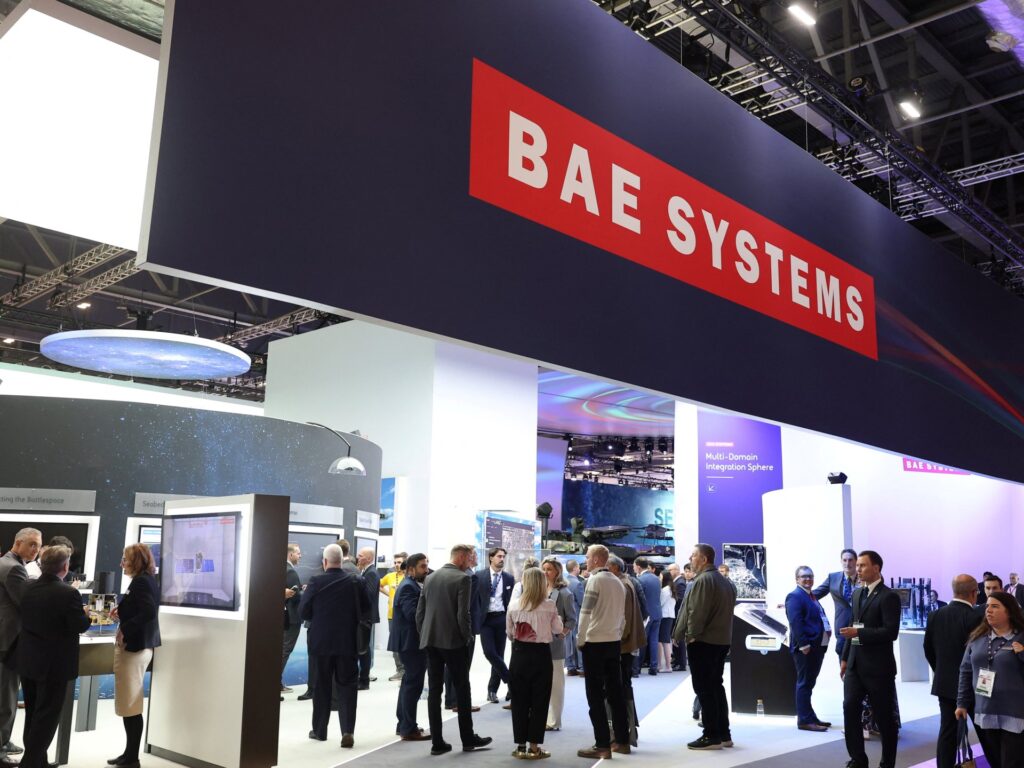
BAE Systems, which supplies fighter jets, missiles and naval vessels to the British Ministry of Defence, also runs extensive research partnerships with universities across the UK. These collaborations fund engineering labs, aerospace scholarships and joint technology projects. The dual role of the firm—as a commercial arms maker and an academic benefactor—has long raised eyebrows among civil‑society groups, but the recent protests have pushed the issue into the public eye.
What the briefings entailed
According to documents obtained by The Guardian, senior officials from the University of Southampton, the University of Manchester and the University of Bristol met with BAE representatives in February and March 2026. In those sessions, the defence company received detailed updates on how student protests were unfolding, which campuses were most active, and what messaging was resonating with the student body.
The briefings also covered logistical concerns: security arrangements for BAE‑funded research facilities, potential disruptions to lab work, and the impact on recruitment of overseas scholars. University leaders reportedly asked BAE for advice on “maintaining a safe environment for staff and students” while continuing joint research programmes.
Why the disclosures matter for academic freedom
The fact that universities shared internal protest intelligence with a weapons manufacturer raises fundamental questions about the independence of academic institutions. Critics argue that such exchanges blur the line between scholarly inquiry and corporate interests, potentially chilling dissent on campuses where students may fear retaliation or loss of funding.
Legal scholars at King's College London note that, under UK law, universities are public bodies and must uphold standards of transparency and neutrality. By providing BAE with strategic information, they may be breaching the public sector’s duty to act in the public interest, a point that could trigger investigations by the Office for Students or the Charity Commission.
African connections: why the story resonates beyond the UK
BAE Systems is a major supplier of military hardware to several African states, including Kenya, Nigeria, Saudi‑backed forces in the Sahel and the United Arab Emirates, which in turn supports operations in the Horn of Africa. The company’s contracts often involve joint‑development programmes with UK universities, meaning African researchers and graduate students sometimes work on projects funded by BAE.
For African scholars studying conflict, security studies or aerospace engineering, the partnership raises ethical dilemmas. A Nigerian PhD candidate at the University of Manchester, for example, told the BBC that the knowledge generated in a BAE‑funded lab could later be used in arms deals that affect his home region. The briefings therefore have a ripple effect: they influence how African‑origin students perceive the legitimacy of their research and whether they feel comfortable voicing criticism of the defence sector.
What could happen next: policy, protest and oversight
Student unions across the UK have already called for an independent inquiry into the university‑BAE briefings. At least five universities have pledged to review their corporate partnership policies, and the National Union of Students is drafting a national code of conduct that would require institutions to disclose any intelligence sharing with private firms.
On the policy front, MPs from the Labour Party have signalled a possible amendment to the Higher Education and Research Act that would tighten reporting requirements for university‑industry collaborations. If passed, universities would need to publish annual transparency statements detailing any strategic information exchanged with commercial partners, especially those operating in the defence sector.
Quick Answers
Did UK universities share protest details with BAE Systems?
Yes, senior officials from several universities met with BAE and provided updates on campus protests in early 2026.
How might this affect African students studying in the UK?
African scholars involved in BAE‑funded research may face ethical concerns about their work being linked to arms sales that impact their home countries.
What actions are being taken in response to the briefings?
Student unions are demanding an independent inquiry, and UK MPs are considering tighter transparency rules for university‑industry partnerships.
Source: www.aljazeera.com




💬 Comments 0