2026 Borneo Fires: 30 Orangutans Released Back Into Forest – Implications for Conservation
Background: Borneo’s Forests and the 2026 Wildfire Crisis
Borneo’s rainforests, home to roughly one‑third of the world’s remaining tropical hardwoods, faced an unprecedented blaze season in the summer of 2026. A combination of prolonged drought, illegal land clearing and a surge in El Niño‑driven heatwaves ignited fires that ripped through swathes of the island’s interior, scorching more than 1.2 million hectares according to satellite data released by the Indonesian Ministry of Environment.
The infernos did not discriminate; they scorched lowland dipterocarp trees, mangroves, and the fragile canopy that orangutans depend on for food and shelter. Conservationists warned that the loss of fruit‑bearing trees could push the already endangered species closer to the brink, as their diet relies heavily on seasonal fruiting cycles disrupted by fire.
International NGOs, including the World Wildlife Fund (WWF) and the Borneo Orangutan Survival (BOS) Foundation, sounded the alarm early in the season, urging governments to allocate emergency funds for wildlife rescue. Their appeals came amid criticism that fire‑fighting resources were being diverted to protect timber plantations rather than natural forests.
The Rescue Operation: From Burnt Habitats to Rehabilitation Centers
When the flames reached the Tanjung Puting National Park in Central Kalimantan, a joint task force of Indonesian forest rangers, BOS volunteers, and local community members mobilised to evacuate at‑risk orangutans. Over a two‑week period, rescuers tranquilised and safely relocated 30 adult and juvenile orangutans to the Pasir Putih rehabilitation centre, a facility built to provide temporary refuge and medical care.
Veterinarians at Pasir Putih reported that several of the rescued apes suffered from smoke inhalation and minor burns, while others showed signs of stress‑induced weight loss. “The animals were emaciated, and their eyes were red from the smoke,” a BOS spokesperson told reporters, adding that intensive feeding regimes and physiotherapy were essential to restore their health.
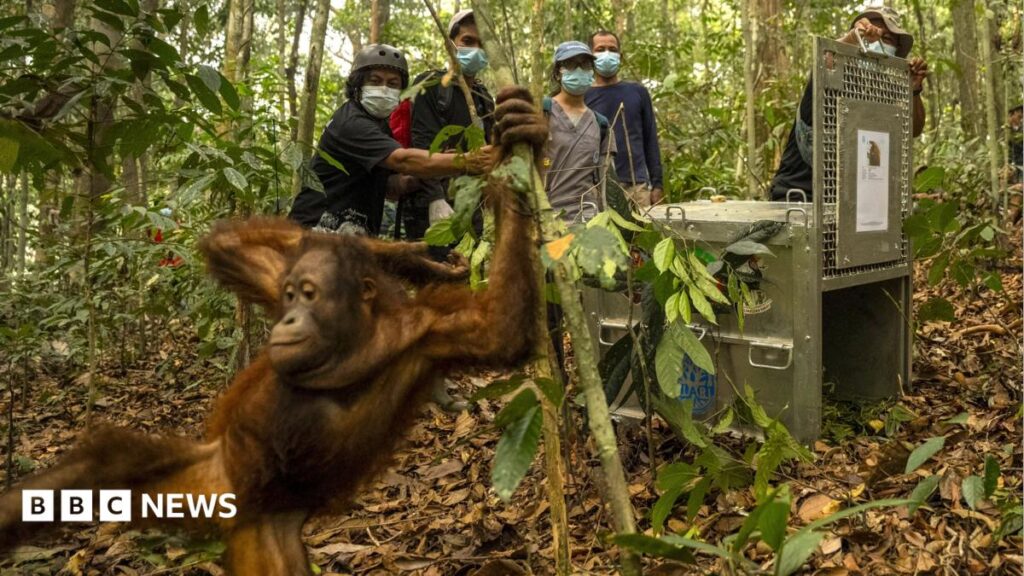
After months of rehabilitation, the team conducted health checks, behavioural assessments and GPS‑collaring to ensure the apes could survive once re‑introduced. The release ceremony, held on 9 October 2026, saw the orangutans escorted by forest rangers into a rehabilitated stretch of secondary forest that had been cleared of ash and re‑planted with native fruit trees.
Why the Release Matters Beyond Borneo
The successful re‑introduction of the orangutans signals more than a local victory; it underscores the fragile link between climate‑driven disasters and biodiversity loss worldwide. Scientists warn that rising global temperatures increase the frequency of extreme fire events, threatening not only tropical forests but also the ecosystems that depend on them.
Economically, intact forests act as carbon sinks, sequestering an estimated 2.5 billion tonnes of CO₂ annually in Borneo alone. The fires of 2026 released roughly 150 million tonnes of carbon into the atmosphere, a setback for Indonesia’s pledged emissions reductions under the Paris Agreement. Restoring forest cover and protecting keystone species like orangutans are therefore integral to meeting climate targets.
From a policy perspective, the episode has reignited debate over Indonesia’s land‑use regulations. Environmental NGOs argue that the fires were exacerbated by illegal palm‑oil concessions that clear‑cut forest for monocultures, a practice that also fuels deforestation in other tropical regions, including parts of the African Congo Basin.
African Connections: Lessons for Congo Basin Conservation
While the story unfolds in Southeast Asia, its lessons echo across Africa’s own rainforests. The Congo Basin, home to the continent’s largest remaining block of tropical forest and species such as the western lowland gorilla, faces a similar threat matrix: climate‑induced droughts, illegal logging, and expanding agricultural frontiers.
African wildlife organisations, including the African Wildlife Foundation (AWF), have cited the Borneo response as a template for rapid‑response wildlife rescue. “We are watching Borneo’s coordinated effort closely,” said AWF’s regional director for Central Africa. “If we can replicate the cross‑sector collaboration—government, NGOs, and local communities—we could improve outcomes for gorillas and forest elephants when fires or poaching spikes.”
The funding mechanisms used in Borneo also offer a blueprint. The emergency appeal that financed the orangutan rescue was partially sourced from a climate‑risk insurance pool managed by the World Bank. Similar insurance schemes are being piloted in the Democratic Republic of Congo to buffer against revenue loss when forest carbon projects are disrupted by fire or conflict.
What Comes Next: Monitoring, Funding, and Global Cooperation
The release is only the first step in a longer recovery process. BOS plans to monitor the released orangutans using satellite‑linked collars for at least two years, tracking their movement, diet and reproductive success. Data gathered will feed into a broader database aimed at modelling how fire‑affected habitats recover over time.
Funding remains a critical hurdle. The Indonesian government has pledged $45 million for reforestation in the affected provinces, but NGOs argue that sustainable financing will require private‑sector participation and carbon‑credit mechanisms that reward forest preservation. International donors, including the European Union’s Biodiversity Fund, have expressed interest in supporting these initiatives, contingent on transparent reporting.
Finally, the episode highlights the need for a coordinated global response to climate‑linked wildlife emergencies. Experts are calling for a standing international task force that can mobilise resources within 48 hours of a disaster, similar to the model used for pandemic response. Such a framework would enable quicker evacuations, medical care, and post‑release monitoring for species teetering on the edge of extinction.
Quick Answers
How many orangutans were released back into Borneo’s forest after the 2026 fires?
Thirty rescued orangutans were re‑introduced into a rehabilitated forest area on 9 October 2026.
Why does the Borneo orangutan release matter for African conservation efforts?
The rescue showcases a collaborative model of rapid wildlife response and financing that African groups are looking to replicate in the Congo Basin.
What are the next steps for monitoring the released orangutans?
Researchers will use GPS‑linked collars to track the apes for at least two years, studying their movement, health and breeding success.
Source: www.bbc.co.uk




💬 Comments 0