2026 West Bank Settler Attacks During Olive Harvest Heighten Violence, Hit Palestinians
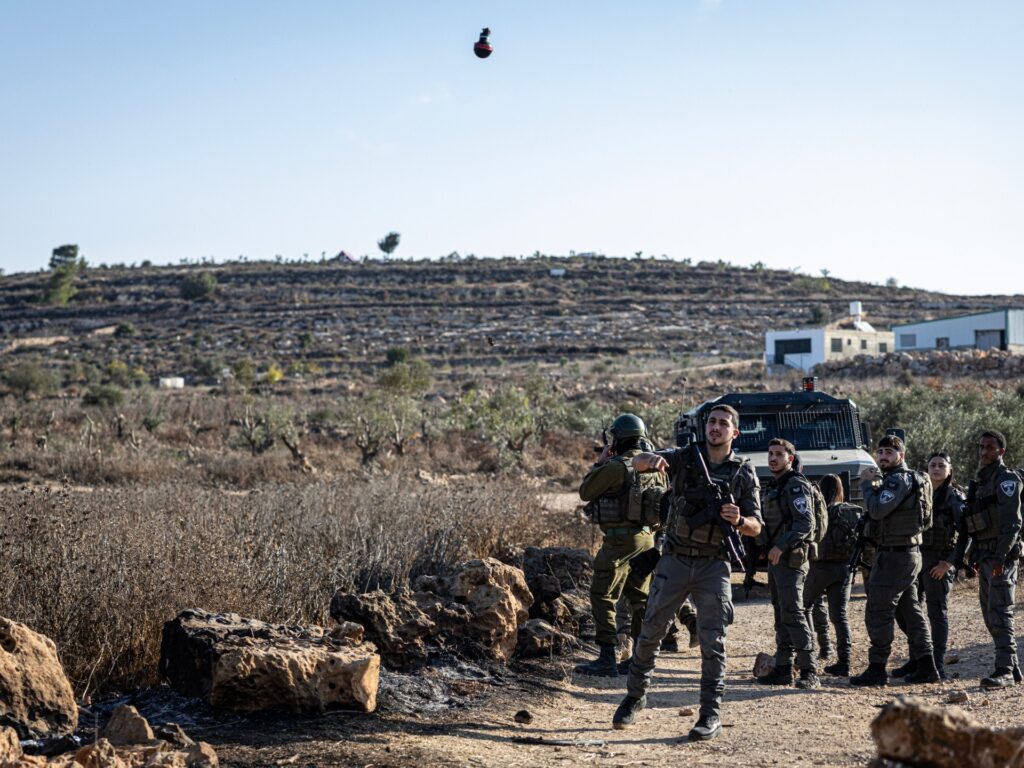
Harvest season meets violence: the backdrop
Every October, the West Bank’s olive groves become the economic heart of rural Palestinian life. An estimated 5 million trees, many owned by families that have tended them for generations, produce the bulk of the region’s olive oil, a product that fuels both local consumption and export markets in Europe and the Gulf. The harvest period, which runs from late September to early November, also draws international observers, NGOs, and foreign diplomats who monitor the fragile security situation in the occupied territories.
Since the Oslo Accords, the olive season has been a flashpoint for friction between Israeli settlers and Palestinian farmers. Settlers often claim historic ties to the land, while Palestinians argue that the groves are a legal, inherited livelihood. Over the past decade, the United Nations Office for the Coordination of Humanitarian Affairs (OCHA) has documented a steady rise in settler‑related incidents during harvest, ranging from vandalism of trees to the use of force against farmers.
Escalation of settler attacks in 2026
The first half of 2026 saw a sharp uptick in violent confrontations. According to B’Tselem, a human‑rights watchdog, at least 42 separate attacks were recorded between March and September, a 27% increase over the same period in 2025. Incidents ranged from arson of olive presses in the Nablus district to coordinated raids on villages near the settlement of Ariel, where settlers, armed with clubs and firearms, clashed with Palestinian farmers and, on three occasions, foreign officials accompanying them.
One of the most widely reported episodes occurred on September 12, when a convoy of United Nations observers from the United Nations Truce Supervision Organization (UNTSO) was ambushed near the village of Huwara. The observers, who were escorting a Palestinian delegation to the harvest, reported that a group of settlers opened fire with pistols, injuring two UN staff members. The incident sparked immediate condemnation from the European Union and led Israel’s own military to launch a limited investigation, though no arrests have been confirmed as of early October.
Why the olive grove matters to Palestinians and beyond
Beyond the symbolic value of the tree, the olive economy constitutes roughly 12% of the West Bank’s agricultural output and supports an estimated 150,000 families. When a single grove is destroyed, the loss can amount to several months of income for a household, pushing many into deeper poverty. Moreover, olive oil exports are a key source of foreign currency, feeding into trade agreements that involve European buyers and Gulf markets, some of which are linked to African importers.
The damage also reverberates through the global supply chain. Olive oil from the West Bank commands a premium price in niche markets, and disruptions can raise costs for consumers in countries as far afield as Kenya and South Africa, where the product is used in high‑end restaurants and health‑food stores. The ripple effect illustrates how a localized conflict can have economic consequences that cross continents.
African diplomatic and civil‑society stakes
African nations maintain a modest but growing diplomatic presence in Israel and the Palestinian territories. South Africa’s embassy in Tel Aviv, for instance, has a dedicated desk for Middle‑East affairs and has repeatedly called for an end to settler violence, citing its own history of land dispossession as a moral imperative. In June 2026, the South African ambassador, Mr. Thabo Mthembu, met with Palestinian olive‑farmers in Hebron, promising to lobby the African Union for a resolution that would protect agricultural livelihoods.
Civil‑society groups from the diaspora are also mobilising. The Nigerian‑American organization “Olive Roots” launched a crowdfunding campaign in July to purchase new harvesting equipment for families whose trees had been torched. The initiative raised over $120,000, highlighting how diaspora networks can translate solidarity into material aid. Similar efforts have emerged from Ghanaian and Ethiopian communities, underscoring a broader African interest in the humanitarian dimension of the conflict.
Regional and international repercussions
The spike in settler attacks has strained Israel’s relationships with several Arab and African states that have recently normalised ties. Egypt’s foreign minister warned that continued aggression could jeopardise the 2023 peace‑building accords signed in Cairo, which included provisions for agricultural cooperation. Meanwhile, the United Arab Emirates, a key investor in Israeli tech, has signalled that it may reassess joint ventures unless security guarantees for Palestinian civilians improve.
On the diplomatic front, the United Nations Security Council held an emergency session on September 20, the first such meeting on the West Bank since 2022. While the United States defended Israel’s right to self‑defence, a bloc of African and Latin American nations pushed for a resolution condemning settler‑initiated violence and calling for an independent investigation. The vote is expected to be split, but the very fact that African states are at the forefront of the debate marks a shift in the geopolitical calculus.
What comes next: possible scenarios
If the current trajectory continues, the olive harvest could be severely curtailed, leading to a humanitarian crisis in the West Bank’s rural districts. Humanitarian organisations warn that food insecurity may rise sharply before winter, prompting a surge in aid requirements that could overwhelm UNRWA’s already stretched resources. In response, some Israeli NGOs have begun offering legal assistance to farmers, but critics argue that these efforts are too little, too late.
Conversely, heightened international scrutiny might force Israeli authorities to impose stricter controls on settler groups. Recent statements from the Israeli Defence Forces suggest a willingness to deploy additional troops to protect harvest routes, though the effectiveness of such measures remains debated. For African stakeholders, the next few weeks will be a litmus test: sustained diplomatic pressure could translate into concrete protection mechanisms, while a lack of follow‑through may erode trust in multilateral avenues for conflict resolution.
Quick Answers
What is the olive harvest season in the West Bank?
The olive harvest runs from late September to early November and is the main source of income for many Palestinian farmers.
How have settler attacks changed in 2026?
Human‑rights groups report a 27% rise in settler‑related violence during the 2026 harvest, with at least 42 incidents recorded by September.
What role do African countries play in the West Bank conflict?
African nations, led by South Africa, have diplomatic missions that condemn settler violence and diaspora groups are raising funds to support affected Palestinian farmers.
Source: www.aljazeera.com




💬 Comments 0