2026 Nepal tunnel collapse death toll nears 1,000; rescuers search mud-filled tunnels
Background: The tunnel project and the tragedy
The tunnel that collapsed lies on a critical stretch of the 2.5‑kilometre road linking the remote district of Gorkha with the capital Kathmandu. Built by a Chinese‑owned construction firm under a public‑private partnership, the tunnel was intended to cut travel time for traders, tourists and aid convoys crossing the rugged Himalayas. The project, launched in 2023, promised to boost regional commerce and improve access to health facilities that were previously hours away on winding mountain roads.
Labor for the tunnel came largely from Nepal’s own workforce, supplemented by hundreds of migrant workers from neighboring India and Bangladesh. A smaller contingent of Chinese engineers and supervisors oversaw technical aspects, reflecting China’s growing footprint in South Asian infrastructure. The site had been flagged in internal safety audits for potential water ingress, but budget pressures and a tight construction schedule delayed remedial works.
What happened: Collapse and rescue efforts
On the night of August 28, a sudden surge of monsoon‑driven rain triggered a massive landslide that flooded the tunnel entrance with thick, fast‑moving mud. The tunnel’s concrete lining gave way, trapping an estimated 1,200 workers inside. Emergency services from the Nepalese Army, local fire brigades and volunteer groups rushed to the scene, but the unstable ground limited access to a narrow, mud‑filled corridor that could only be cleared inch by inch.
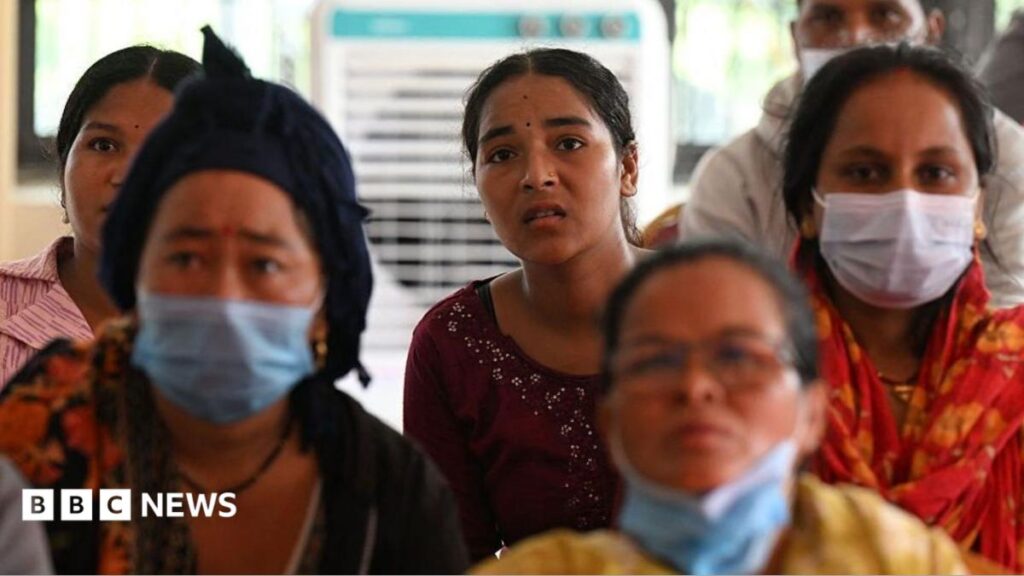
By September 1, official tallies put the confirmed death count at 987, with the number expected to rise as rescue teams continue to excavate. Chinese state media reported 16 fatalities in a parallel incident in Tibet, underscoring the broader regional risk of poorly engineered mountain works during extreme weather. Families of the missing have been gathered at temporary shelters, while NGOs are distributing food, water and counseling services.
Why it matters: Safety, labor rights and regional ties
The disaster throws a harsh light on occupational safety standards in Nepal’s fast‑growing construction sector. Workers’ unions have long complained that safety gear is insufficient and that foreign contractors often sidestep local labour laws to meet tight deadlines. With nearly a thousand lives lost, the incident is likely to trigger a governmental review of the permitting process for high‑risk projects, especially those involving foreign capital.
Beyond Nepal’s borders, the tragedy reverberates across South Asia’s labour migration networks. India and Bangladesh, the two biggest sources of migrant workers in the country, are expected to demand clearer repatriation protocols and compensation guarantees. The episode also raises questions about China’s role in financing and executing infrastructure in fragile environments—a concern that African nations watching China’s Belt and Road projects are keen to examine.
Broader pattern: Infrastructure risks in fragile terrains
Mountainous tunnel collapses are not new; similar incidents have occurred in the Himalayas, the Andes and the East African Rift Valley. Climate scientists warn that intensified monsoon rains and glacial melt, both linked to climate change, are making landslides more frequent and unpredictable. For countries like Kenya and Ethiopia, where new road tunnels are being built to connect remote highland communities, the Nepal disaster serves as a cautionary tale about integrating climate‑risk assessments into engineering design.
The incident also highlights a global trend where large‑scale projects are rushed to meet political timelines, often at the expense of thorough geotechnical surveys. In Africa, several Chinese‑backed rail and road initiatives have faced criticism for inadequate safety checks, prompting calls for stricter oversight and local capacity building. Nepal’s experience could therefore shape future contracts, pushing investors to adopt more transparent risk‑management frameworks.
What’s next: Policy response and lessons for Africa
The Nepalese government has pledged a parliamentary inquiry into the tunnel collapse, with a deadline to present findings within 90 days. Expected recommendations include mandatory third‑party safety audits, a moratorium on new high‑altitude tunnelling until comprehensive climate impact studies are completed, and a compensation fund for victims’ families. International donors, including the World Bank, have offered technical assistance to strengthen Nepal’s disaster‑response capabilities.
African policymakers can draw concrete lessons from Nepal’s ordeal. First, any foreign‑led infrastructure venture in geologically unstable zones should require locally sourced safety experts and community consultation. Second, establishing an independent emergency fund can accelerate rescue operations when national resources are stretched thin. Finally, integrating climate adaptation into project contracts will become increasingly non‑negotiable as extreme weather events grow in frequency across the continent.
Quick Answers
How many people have died in the Nepal tunnel collapse?
The official death toll is close to 1,000, with 987 confirmed fatalities as of September 1, 2026.
Which workers were trapped in the mud‑filled tunnel?
Most of the victims were Nepalese labourers, alongside hundreds of migrant workers from India and Bangladesh, and a small number of Chinese supervisors.
What implications does the disaster have for future infrastructure projects in Nepal and similar regions?
It underscores the need for stricter safety standards, climate‑risk assessments, and transparent oversight—lessons that are also relevant for African mountain and high‑altitude projects.
Source: www.bbc.co.uk




💬 Comments 0