US missile strike on Iran kills four at wedding party, sparks retaliation – impact on African oil markets and diaspora in 2026
Background: Tensions that have been simmering for years
The United States and Iran have been locked in a cycle of proxy confrontations, sanctions, and occasional direct strikes since the 1979 revolution. Over the past decade, the Gulf region has seen a series of escalations, from the 2019 tanker attacks to the 2022 drone incident over the Strait of Hormuz, each time prompting a diplomatic flare‑up but rarely a full‑scale exchange of fire.
In early September 2026, U.S. officials announced a limited strike on what they described as an Iranian Revolutionary Guard (IRGC) facility suspected of housing weapons‑manufacturing equipment. The operation was carried out by a combination of cruise missiles launched from naval vessels in the Arabian Sea and a squadron of MQ‑9 drones, marking the first overt use of kinetic force by Washington against Tehran since 2020.
Iranian state media, including the IRNA news agency, immediately framed the attack as an act of aggression and vowed a “swift and decisive” response. Within hours, they reported that a missile and drone barrage targeting U.S. assets in the region had been launched, signalling a rapid escalation that could threaten the fragile status quo in the Persian Gulf.
What happened on the ground: The tragic wedding party
According to reports from Iranian officials, the U.S. strike inadvertently hit a residential compound in the city of Ahvaz where a wedding celebration was taking place. Four civilians – the bride’s uncle, two cousins, and a guest – were killed, while several others sustained injuries from shrapnel and the ensuing fire. The incident was captured on local television, where grieving relatives condemned the “reckless” nature of the U.S. operation.
The Iranian government quickly linked the civilian casualties to the broader U.S. offensive, using the tragedy to rally domestic support for a retaliatory campaign. State‑run radio broadcast a statement from the IRGC commander, who claimed that the next wave of missiles would be aimed at “American military installations and commercial interests” in the Gulf.
U.S. Department of Defense spokespeople expressed regret over any civilian loss but maintained that the target was a legitimate military objective. They emphasized that the strike was based on intelligence indicating the presence of a weapons‑development site, and that the collateral damage was “unfortunate but not intentional.”
Why it matters beyond the Middle East: African oil and trade stakes
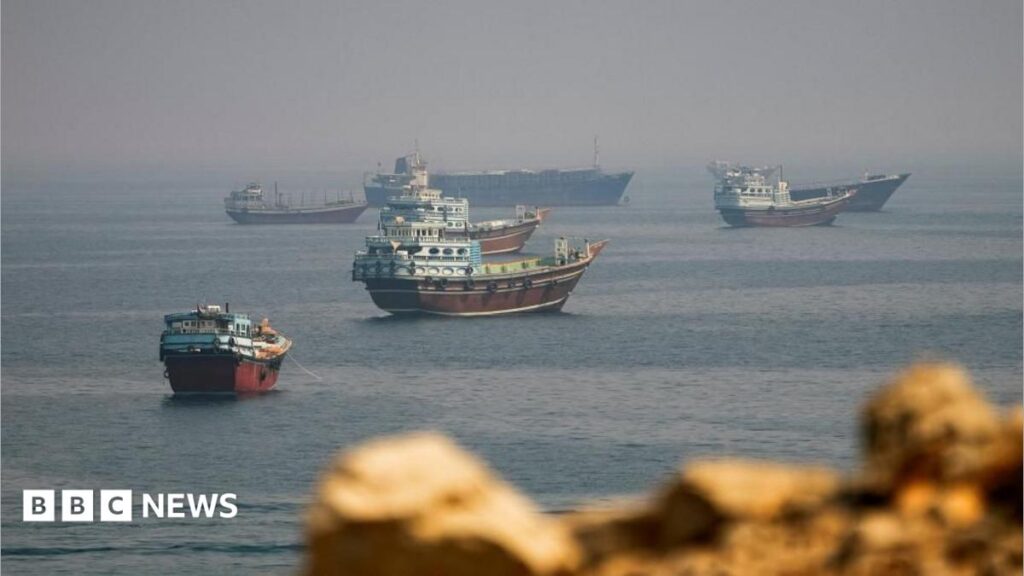
The Persian Gulf supplies roughly 30 % of the world’s oil, and a significant share of that volume is exported to African nations such as Nigeria, Angola, and South Africa. Any disruption to shipping lanes—especially the Strait of Hormuz, through which an estimated 20 % of global oil passes—can quickly translate into higher fuel prices on the continent.
In the weeks following the strike, the price of Brent crude rose by 4 %, prompting the Nigerian National Petroleum Investment Commission to issue a warning about possible supply bottlenecks. Analysts at Africa Energy Outlook noted that a prolonged escalation could force African importers to seek alternative routes, such as the Red Sea‑to‑Mediterranean pipeline projects under construction in Egypt and Sudan, thereby reshaping regional trade patterns.
Moreover, several African‑owned shipping firms operate container and tanker vessels that regularly transit the Gulf. The heightened risk of missile attacks has already led to increased insurance premiums for these ships, a cost that ultimately gets passed on to consumers in the form of higher transport fees for everything from cocoa beans to electronics.
Diaspora reactions: A community caught between two powers
The Iranian diaspora in the United States, estimated at over 500 000 people, reacted with a mix of anger and fear. Community organisations in Los Angeles and Washington, D.C. held vigils for the wedding victims while simultaneously urging the U.S. government to pursue diplomatic channels rather than military retaliation. According to a statement from the Iranian American Association, the community fears that any further escalation could lead to a wave of anti‑Iranian sentiment and possible hate crimes on U.S. soil.
In Nigeria, a growing number of Iranians work in the oil and construction sectors, often as expatriate engineers. The Nigerian Embassy in Tehran has reportedly opened a hotline for its citizens to receive updates on safety measures, reflecting concerns that a broader conflict could jeopardise the lives of these workers and disrupt joint ventures between Nigerian oil firms and Iranian contractors.
Social media trends across Africa show a surge in hashtags like #MiddleEastStability and #OilForAfrica, indicating that ordinary citizens are linking the distant conflict to everyday concerns such as fuel availability and job security. This grassroots attention underscores how a regional clash can quickly become a continental economic issue.
What’s next: Diplomatic pathways and possible fallout
International mediators, including the United Nations and the European Union, have called for an immediate cease‑fire and the establishment of a joint investigation into the civilian casualties. A senior UN envoy in Geneva is slated to meet with U.S. and Iranian officials next week, aiming to prevent a spiral into open warfare that could cripple global oil supplies.
For African policymakers, the priority will be to diversify energy sources and build strategic reserves. The African Union’s Energy Committee is expected to convene a special session in Addis Ababa to discuss a continent‑wide response, ranging from accelerated renewable‑energy investments to the creation of an African oil‑stabilisation fund.
If the retaliation escalates into a sustained missile exchange, the risk of collateral damage to commercial vessels could trigger a temporary shutdown of the Strait of Hormuz. Such a scenario would force African importers to rely on longer, costlier routes around the Cape of Good Hope, potentially adding $5‑$10 per barrel to oil import costs and inflating transport prices for a wide array of goods.
Quick Answers
Why did the US strike hit a wedding party in Ahvaz?
U.S. officials said the target was a weapons‑development site; the civilian casualties were described as unintended collateral damage.
How could the US‑Iran clash affect oil prices in Africa?
Any disruption to Gulf shipping routes can raise global crude prices, which directly increases fuel costs for African importers and raises insurance premiums for African‑owned vessels.
What steps are African countries taking after the strike?
Several African governments are exploring alternative oil routes, boosting strategic reserves, and discussing a continent‑wide energy‑stabilisation fund at upcoming AU meetings.
Source: www.bbc.co.uk




💬 Comments 0